If you place breathers too low or near water pooling spots, they can easily suck in water during rain or flooding. Installing vents in flood-prone areas or where debris and dust gather increases the risk of water entering your system. Poor seals, unprotected screens, or positioning where wind blows debris can also cause water ingress. To prevent costly damage, avoid these common placement mistakes and learn more about ideal breather positioning shortly.
Key Takeaways
- Installing breathers too low or in flood-prone areas increases water ingress risk.
- Positioning vents where water can reach the outlet allows moisture to enter the system.
- Neglecting elevation or proper placement can cause water pooling near the breather.
- Failing to shield vents from rain, splash, or high humidity allows water to bypass the seal.
- Installing in tight or enclosed spaces hampers airflow and increases chances of water condensation entering.
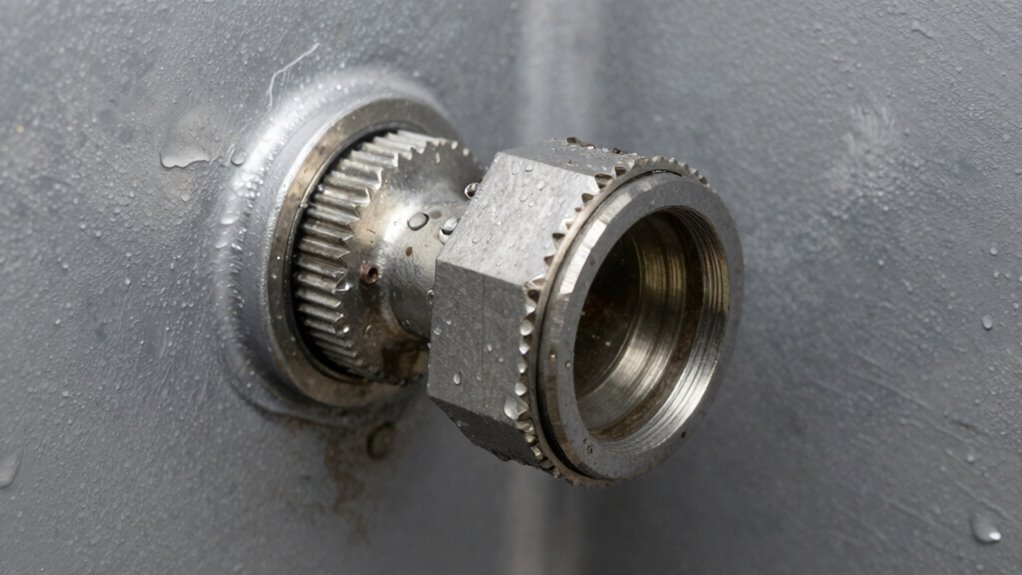
Proper breather placement is essential for ensuring efficient and effective pipe systems, but many installers make simple mistakes that can lead to costly issues later. One of the most common pitfalls is neglecting to position breathers correctly, which can cause water to be drawn into the system. When breathers aren’t placed properly, they can act as entry points for moisture, leading to corrosion, blockages, or even complete system failure. To avoid this, you need to understand the importance of breather maintenance and the critical factors that influence proper placement.
Proper breather placement prevents water entry and system failure through correct positioning and maintenance.
A frequent mistake is installing breathers too low or in areas prone to flooding or water pooling. If water reaches the breather outlet, it can get sucked into the system, causing damage and reducing efficiency. Ensuring breathers are located above potential water levels—like on elevated piping or higher ground—helps prevent this. Also, it’s easy to overlook the surrounding environment; dust, debris, and insects can clog vents, so selecting a clean, protected location is essential. Regular breather maintenance, including cleaning and inspecting for blockages, keeps the system running smoothly. Additionally, understanding proper placement techniques is crucial for avoiding these issues and maintaining system integrity.
Another common pitfall involves ignoring the system’s airflow needs. Breathable vents must be positioned where they can freely exchange air without obstruction, which means avoiding tight spaces or areas with high dust accumulation. Improper placement can restrict airflow, leading to pressure imbalances or the buildup of moisture inside the pipes. You should also consider wind direction; installing breathers with protective screens or shields can prevent debris from entering while still allowing proper ventilation.
Many installers underestimate the importance of sealing and securing the breather properly. A loose or poorly sealed breather can allow water, dirt, or pests to enter, defeating the purpose of correct placement. Ensuring a tight fit and using weatherproof covers can mitigate these issues. Furthermore, neglecting to conduct regular breather maintenance can cause small problems to turn into significant failures. Routine inspections allow you to detect early signs of clogging or damage, making it easier to address issues before they escalate.

2Pcs Black Dustproof Waterproof IP68 Breather Screw Air Vent, M12x1.5 Pressure Reducing Valve, Lighting Breather Plug for Moisture and Pressure Control Venting Screw for Outdoor Electrical Enclosures
WATERPROOF RATING: IP68-rated breather screws provide complete protection against dust and water ingress for outdoor electrical enclosures
As an affiliate, we earn on qualifying purchases.
As an affiliate, we earn on qualifying purchases.
Frequently Asked Questions
How Do I Identify if My Breather Is Submerged?
You can tell if your breather is submerged by checking its orientation and placement accuracy. If it’s tilted or positioned low in the water, it’s likely underwater. Look for water ingress or bubbles escaping from the outlet; these signs indicate submersion. Always verify your breather’s proper placement and orientation, keeping it upright and above water, to prevent it from sucking in water, which can cause operational issues.
Can Incorrect Placement Cause Equipment Damage?
Poor placement of your breather can cause serious equipment damage. Incorrect positioning disrupts airflow, leading to restricted breathing and potential overheating. It also invites water and dirt to enter, increasing risks of oil contamination and corrosion. When your breather isn’t properly placed, it sabotages your system’s efficiency. To avoid costly repairs, always verify your breather’s correct placement, allowing clean, clear airflow while preventing water ingress and oil contamination.
What Signs Indicate Water Ingress Into the Breather?
If water enters your breather, you’ll notice a decrease in filtration efficiency, often accompanied by visible water accumulation or moisture inside the breather. You might also detect unusual engine or equipment performance issues. Regular maintenance scheduling helps catch these signs early, ensuring your breather stays dry. Keep an eye on the breather for signs of water ingress, and address issues promptly to prevent equipment damage.
Are There Specific Environments Where Misplacement Is More Common?
You’re more likely to misplace breathers in marine environments or dusty conditions, where debris and moisture are common. These settings make it easy to overlook proper placement, increasing the risk of water ingress. You should carefully select and regularly inspect breather locations in such environments, ensuring they stay clear of water, dust, and debris. Proper placement and maintenance are vital to prevent water from entering and causing damage.
How Often Should I Inspect My Breather for Placement Issues?
You should inspect your breather at least monthly, especially if you work in harsh environments. Follow your maintenance checklist and installation guidelines to guarantee proper placement. Regular checks help catch misalignment or water ingress early, preventing costly damage. Keep an eye out for signs of water in the breather and verify it’s securely installed. Consistent inspections are key to maintaining ideal performance and avoiding water-related issues.

K&N Vent Air Filter / Breather: Washable and Resuable: 0.375 in/0.5 in (10 mm/13 mm) Flange ID; 1.75 in (44 mm) Height; 2 in (51 mm) Base; 1.5 in (38 mm) Top, Red , 62-1600RD
ENGINEERED POWER: State-of-the-art air filter media is designed to increase horsepower and acceleration as well as improve overall…
As an affiliate, we earn on qualifying purchases.
As an affiliate, we earn on qualifying purchases.
Conclusion
To avoid water getting into your breather, pay close attention to placement and sealing. Remember, even the best sailors had their share of mishaps before mastering their craft—no one’s perfect, not even in the age of steam engines. So, take your time, double-check your setup, and learn from those who came before. After all, as the saying goes, “A stitch in time saves nine”—don’t let a simple mistake sink your adventure.

5339 Valve Cover Breather Grommet for All Valve Covers with 1-1/4 inch Filler-breather Holes, 2 Pack (0.75" & 1" I D) Oil & Heat Resistant PVC Cover Grommet for SBC BBC SBF Engines Vent Systems
【Universal Compatibility】: These valve cover grommets Fit all 1-1/4 inch (1.25") valve cover filler-breather holes, compatible with steel/aluminum…
As an affiliate, we earn on qualifying purchases.
As an affiliate, we earn on qualifying purchases.

KNCLUX 2 Pack Floor Vent Screen Cover | Floor Vent Filter Screen, Air Vent Filters, Floor Register Trap for Home Air Vent Filter Floor Vent Mesh Filters Net Trapenience! (4" x 12")
Crafted from durable heat-resistant PP material and high-quality mesh, our premium air vent filters for home ensures uninterrupted…
As an affiliate, we earn on qualifying purchases.
As an affiliate, we earn on qualifying purchases.