GearOil Lab
  • Vetted
  • Additives & Chemistry
  • Used Oil Analysis & Condition Monitoring
  • Lab Methods & Standards
  • Gear Oil Fundamentals
  • Service Procedures & Best Practices
  • Failure Modes & Wear Patterns
  • Specs & Approvals
  • Industrial Gearboxes & Reliability
  • Differentials & Final Drives
  • UOA & Sampling
  • Manual Transmissions & Synchros
  • Transfer Cases & 4×4 Driveline
  • Thermal Testing
  • Contamination Control
  • Differentials & Gear Setup
  • Manual Transmissions
  • Industrial Reliability
  • Privacy Policy
  • Disclaimer
  • About GEAROILLAB.com
  • Impressum
  • Terms of Use

Archives

  • March 2026
  • February 2026

Categories

  • Additives & Chemistry
  • Contamination Control
  • Differentials & Final Drives
  • Differentials & Gear Setup
  • Failure Modes & Wear Patterns
  • Gear Oil Fundamentals
  • Industrial Gearboxes & Reliability
  • Lab Methods & Standards
  • Manual Transmissions
  • Manual Transmissions & Synchros
  • Service Procedures & Best Practices
  • Specs & Approvals
  • Thermal Testing
  • Transfer Cases & 4×4 Driveline
  • Uncategorized
  • UOA & Sampling
  • Used Oil Analysis & Condition Monitoring
  • Vetted
GearOil Lab
  • Vetted
  • Service Procedures & Best Practices
    • Additives & Chemistry
    • Used Oil Analysis & Condition Monitoring
    • Industrial Reliability
    • Lab Methods & Standards
      • Thermal Testing
      • Gear Oil Fundamentals
      • UOA & Sampling
      • Contamination Control
    • Failure Modes & Wear Patterns
    • Specs & Approvals
    • Industrial Gearboxes & Reliability
    • Manual Transmissions & Synchros
    • Differentials & Final Drives
    • Transfer Cases & 4×4 Driveline
  • Differentials & Gear Setup
    • Manual Transmissions
  • About
    • Disclaimer

Browsing Category

Failure Modes & Wear Patterns

20 posts
  • Failure Modes & Wear Patterns

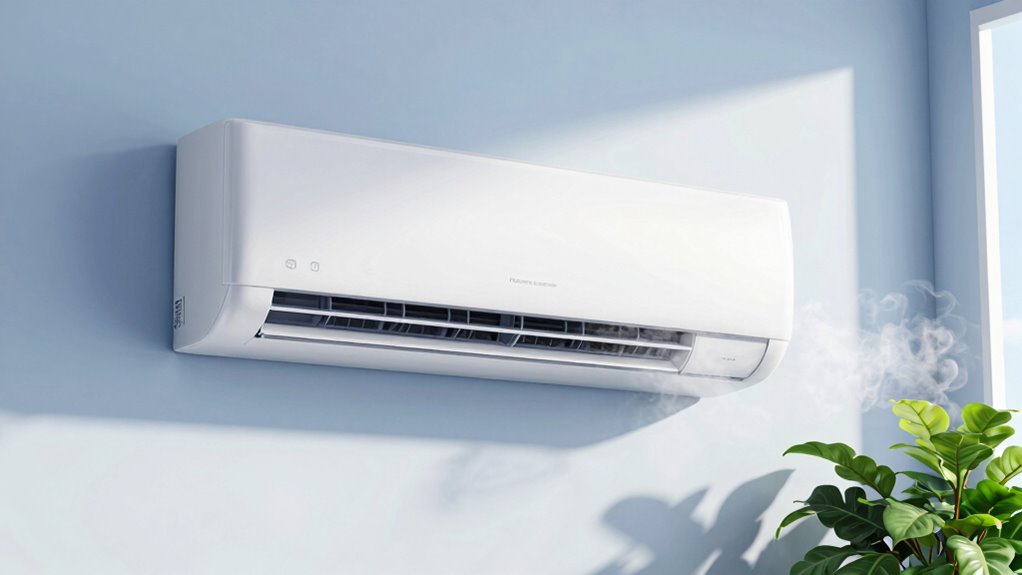
Why Bigger Housings Sometimes Run Cooler (Even With Same Oil)

larger housings dissipate heat
Larger housings stay cooler because they allow for better heat dissipation through…
  • GearOil Lab Team
  • March 19, 2026
View Post
  • Failure Modes & Wear Patterns

Cooling Capacity Explained Without Math Overload

simple cooling capacity explanation
I’ll simplify cooling capacity so you can choose the right system without feeling overwhelmed—discover how to optimize comfort effortlessly.
  • GearOil Lab Team
  • March 19, 2026
View Post
  • Failure Modes & Wear Patterns

Contact Pattern Myths: The Mistake Everyone Makes With Marking Compound

marking compound contact myths
Lifting the veil on contact pattern myths reveals how strict adherence can hinder your repair success—discover the key to smarter, more effective marking.
  • GearOil Lab Team
  • March 3, 2026
View Post
  • Failure Modes & Wear Patterns

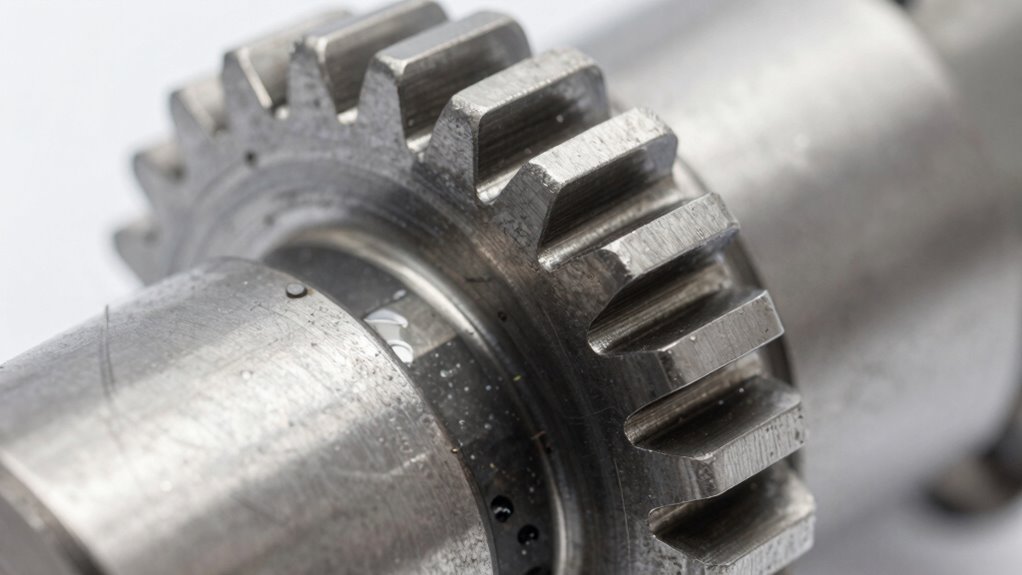
Pinion Depth Errors: What the Contact Pattern Usually Shows

contact pattern indicates pinion depth
Just understanding how contact patterns indicate pinion depth errors can save your gear setup from costly failures; learn the signs now.
  • GearOil Lab Team
  • March 3, 2026
View Post
  • Failure Modes & Wear Patterns

Why Gear Whine Changes Under Load

gear noise varies with load
Boosted load increases gear whine intensity and pitch, but understanding the underlying causes can help you prevent or fix the issue effectively.
  • GearOil Lab Team
  • March 1, 2026
View Post
  • Failure Modes & Wear Patterns

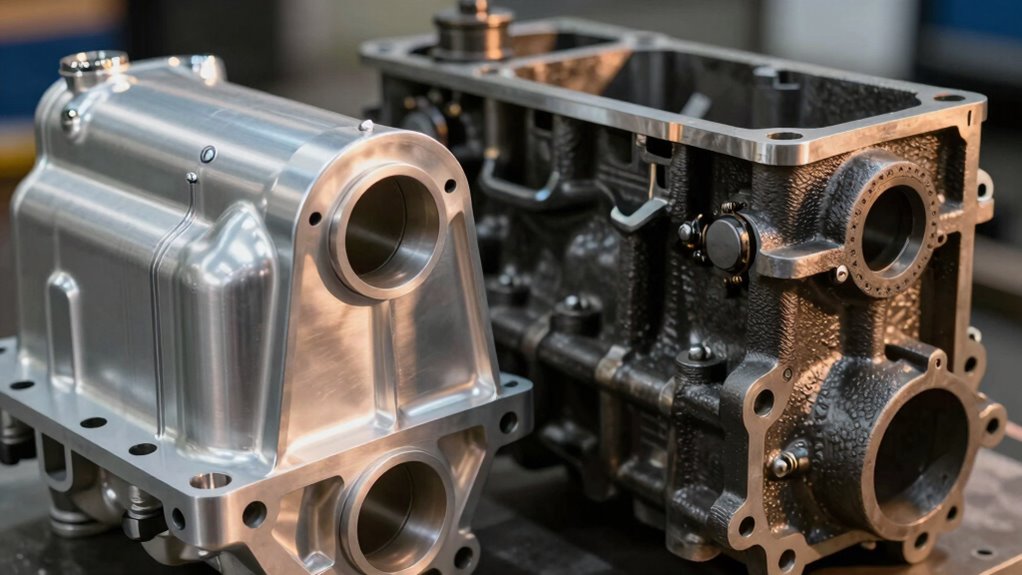
Aluminum vs Cast Iron Housings: Why Temps Behave Differently

material effects on temperature
Understanding why aluminum and cast iron housings exhibit different temperature behaviors can reveal important insights into system performance.
  • GearOil Lab Team
  • February 25, 2026
View Post
  • Failure Modes & Wear Patterns

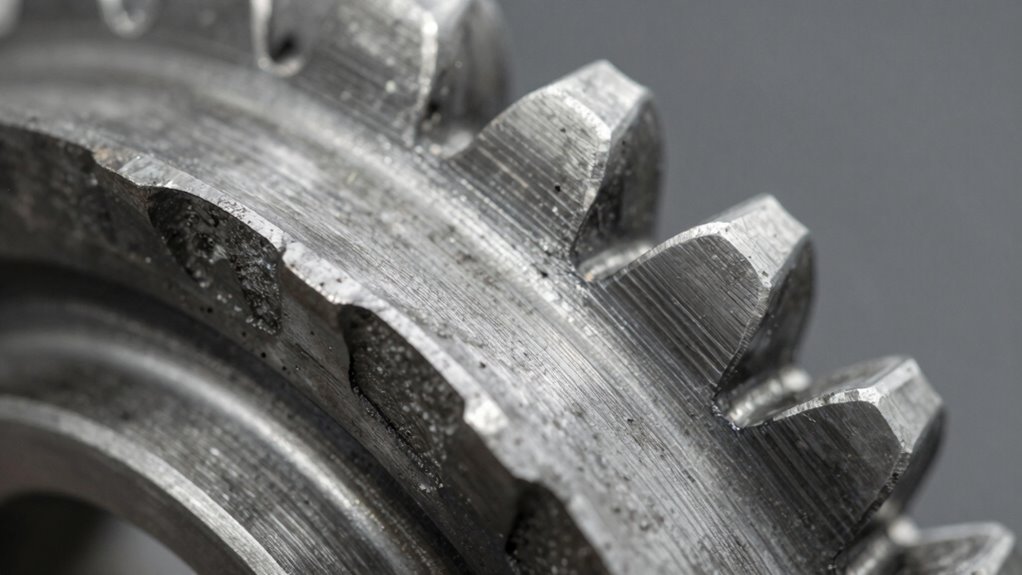
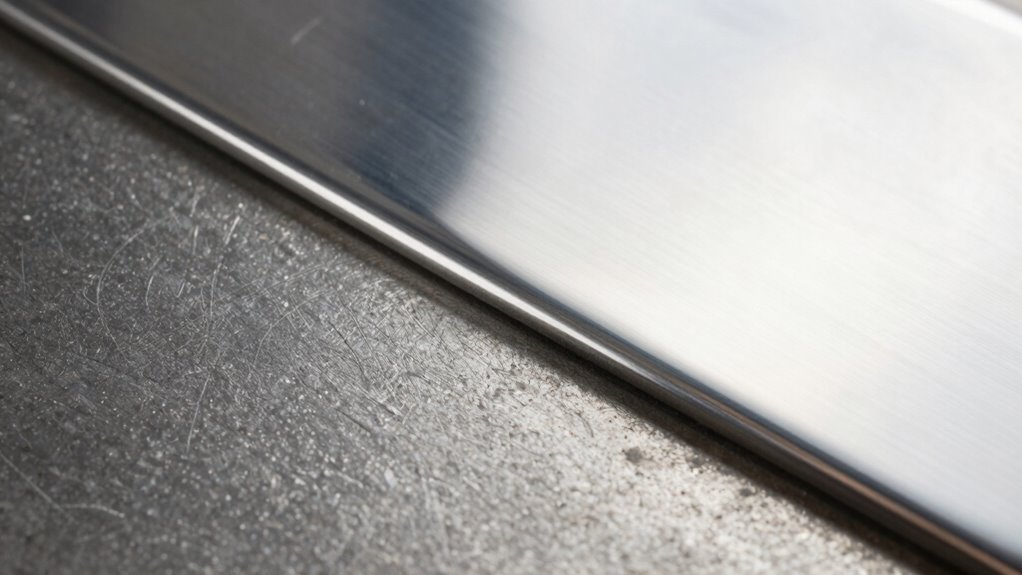
Scoring vs Polishing: Two Surface Changes, Two Different Stories

surface alteration comparison
Beneath the surface, scoring and polishing tell two different stories; understanding their differences can dramatically impact your project’s success.
  • GearOil Lab Team
  • February 20, 2026
View Post
  • Failure Modes & Wear Patterns

What “Normal” Break-In Looks Like in Data and Debris

typical data and debris accumulation
Meta description: “Many systems experience initial fluctuations and debris buildup during break-in, but understanding these normal behaviors helps ensure long-term reliability and performance.
  • GearOil Lab Team
  • February 19, 2026
View Post
  • Failure Modes & Wear Patterns

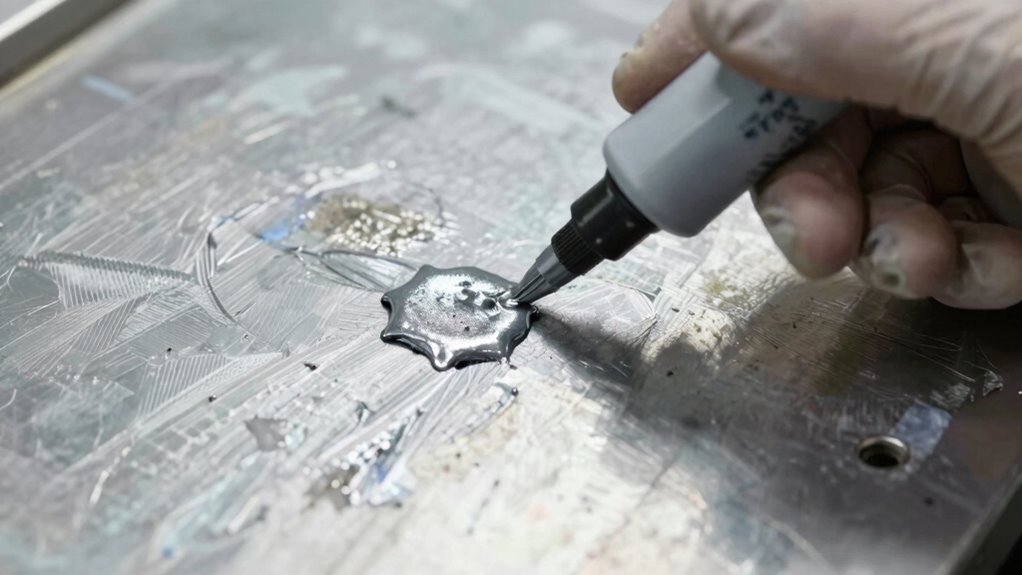
Chunky Metal vs Fine Glitter: What Each Usually Means

metallic texture comparisons
Chunky metal usually refers to larger, textured metal pieces that create a…
  • GearOil Lab Team
  • February 19, 2026
View Post
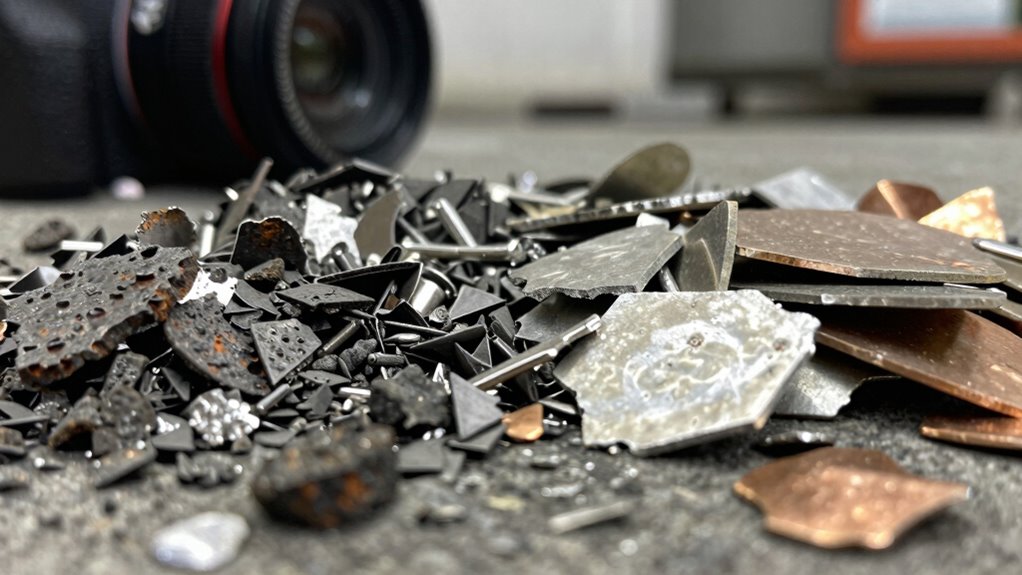
  • Failure Modes & Wear Patterns

Ferrous vs Non-Ferrous Debris: The Quick Identification Guide

metal type identification guide
Ferrous vs non-ferrous debris: find out how to quickly identify metals and improve your recycling process—continue reading to learn the essential tips.
  • GearOil Lab Team
  • February 18, 2026
View Post
top truck undercarriage washers
  • Vetted

15 Best Undercarriage Washer Attachments for Trucks in 2026

Discover the top 15 undercarriage washer attachments for trucks in 2026 that will…
  • GearOil Lab Team
  • March 26, 2026
top 12 gearbox breathers
  • Vetted

12 Best Desiccant Breathers for Industrial Gearbox in 2026

Harness the top 12 desiccant breathers for industrial gearboxes in 2026 to ensure…
  • GearOil Lab Team
  • March 26, 2026
transfer case maintenance schedule
  • Service Procedures & Best Practices

Transfer Case Service Intervals: The Overlooked Schedule

Learn why neglecting transfer case service intervals can cause costly damage and how…
  • GearOil Lab Team
  • March 26, 2026
post rebuild break in period
  • Manual Transmissions

The Break-In Interval Nobody Follows (But Should) After a Rebuild

Many vehicle owners skip or rush the essential break-in period after a…
  • GearOil Lab Team
  • March 26, 2026
GearOil Lab
  • Disclaimer
  • About GEAROILLAB.com
  • Impressum
  • Privacy Policy
  • Terms of Use
Copyright © 2026 GearOil Lab Content on GearOil Lab is created and published using artificial intelligence (AI) for general informational and educational purposes. Affiliate disclaimer As an affiliate, we may earn a commission from qualifying purchases. We get commissions for purchases made through links on this website from Amazon and other third parties. GearOil Lab is an independent editorial platform and is not affiliated with any manufacturers or trademark holders using similar names for physical consumer products.