
You might notice your bearings failing quietly because issues like lubrication problems, misalignment, or debris buildup develop gradually without obvious signs. These subtle changes, like slight temperature increases or faint noises, often go unnoticed until sudden failure occurs. Because damage builds silently over time, it can surprise you when the bearing finally fails loudly. Understanding these quiet warning signs can help you catch problems early—keep going to learn more about preventing sudden breakdowns.
Key Takeaways
- Bearings often deteriorate gradually due to lubrication issues or misalignment, producing subtle signs that are easy to overlook.
- Silent wear develops from surface fatigue and cracks that progress without noticeable noise until failure becomes sudden.
- Slight increases in temperature or minor vibrations can indicate underlying issues before loud failure signs appear.
- Lack of visible symptoms allows damage to accumulate silently, delaying detection until catastrophic failure occurs.
- Regular monitoring and maintenance help identify early, quiet signs of wear, preventing loud, unexpected bearing failures.
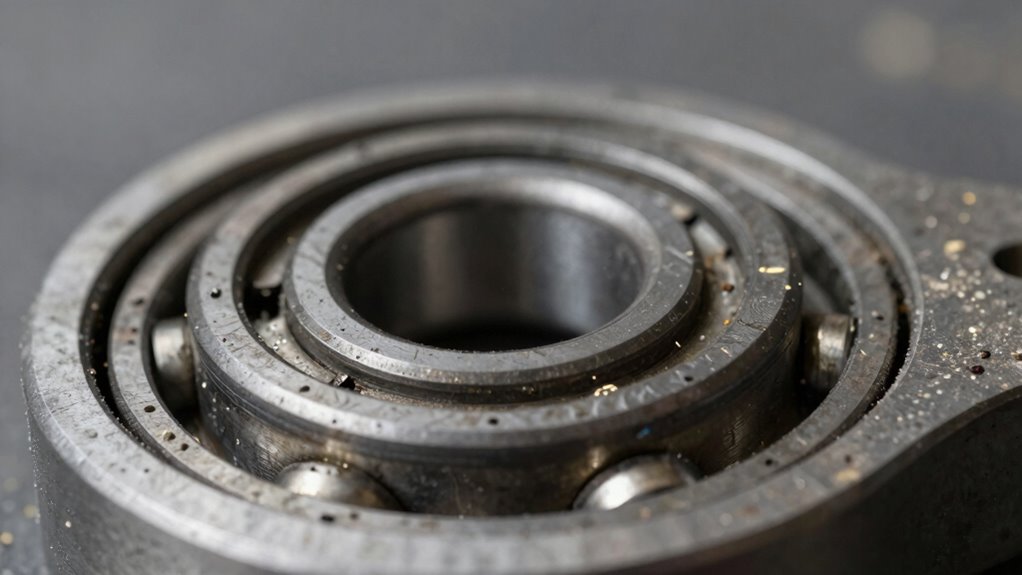
Have you ever noticed how some mechanical failures happen silently, without obvious warning signs? Bearings are a prime example. They can quietly deteriorate over time, making their failure feel sudden and unexpected. The key to understanding why bearings fail quietly lies in recognizing the subtle signs that often go unnoticed until it’s too late. Two common culprits are lubrication issues and misalignment problems. These silent killers gradually wear down bearings, setting the stage for a loud, costly failure.
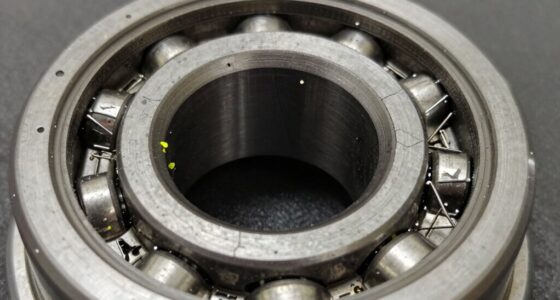
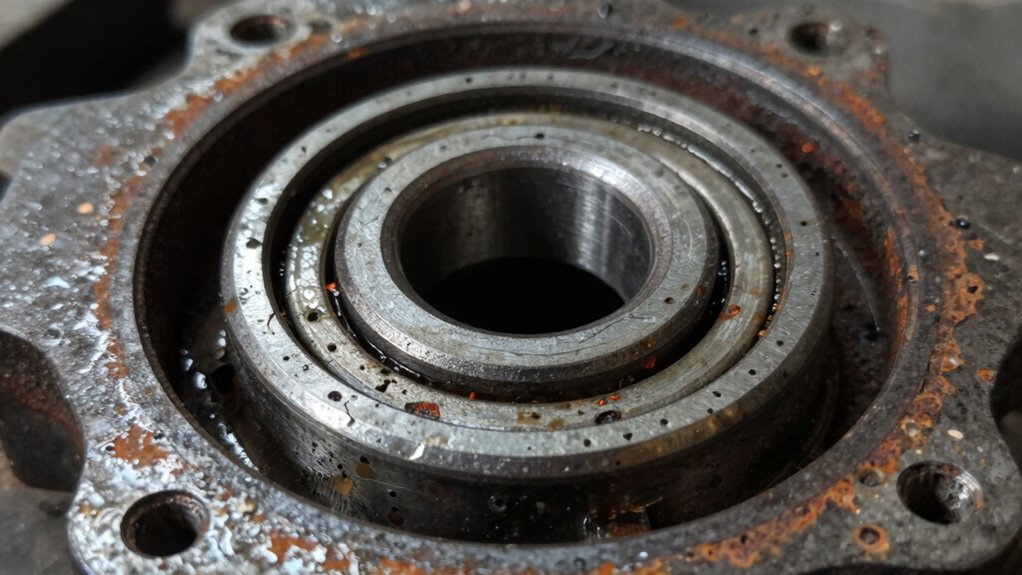
Lubrication issues are one of the main reasons bearings fail quietly. When bearings aren’t properly lubricated, friction increases, leading to accelerated wear. Sometimes, lubrication problems stem from inadequate application or contamination of the lubricant. Over time, dirt, debris, or moisture can compromise the lubricant’s effectiveness, causing the bearing surfaces to grind against each other. This wear progresses slowly, often without immediate signs. You might notice a slight increase in operating temperature or a subtle change in noise, but these signs are easy to dismiss as normal operational variations. As the lubrication’s protective barrier diminishes, tiny surface cracks develop, eventually leading to pitting and material fatigue. When these issues accumulate gradually, the bearing’s performance degrades silently, making its failure unpredictable and sudden once critical damage occurs.
Lubrication problems cause silent wear, leading to unnoticed bearing failure and sudden breakdowns.
Misalignment problems are equally insidious. When bearings aren’t aligned correctly, whether due to installation errors, thermal expansion, or shifting machinery, they experience uneven load distribution. This uneven load causes certain parts of the bearing to bear more stress than others, leading to uneven wear and early fatigue. Misalignment often produces vibrations or slight noise, but these can be mistaken for normal equipment operation. Over time, the misaligned load causes the bearing surfaces to wear unevenly, developing cracks and spalling. The damage accumulates quietly, often unnoticed until a catastrophic failure occurs. You might feel increased vibration or hear faint noise, but if these signs aren’t properly diagnosed, the damage continues unnoticed, silently weakening the bearing until it finally fails loudly and suddenly. Regular inspection and maintenance can help detect these issues early and prevent failure.
In essence, the quiet failure of bearings is driven by gradual wear from lubrication issues and misalignment problems. These factors work together, slowly breaking down the bearing’s integrity without obvious signs. If you don’t monitor lubrication quality or check alignment regularly, you risk allowing small issues to develop into major failures. Paying close attention to subtle changes—like slight vibrations, temperature shifts, or minor noises—can help you catch these silent problems early. Recognizing and addressing lubrication and alignment issues before they escalate can save you significant downtime and repair costs, ensuring your machinery stays reliable and safe. Bearings might fail quietly, but with vigilant maintenance, you can prevent them from failing loudly.
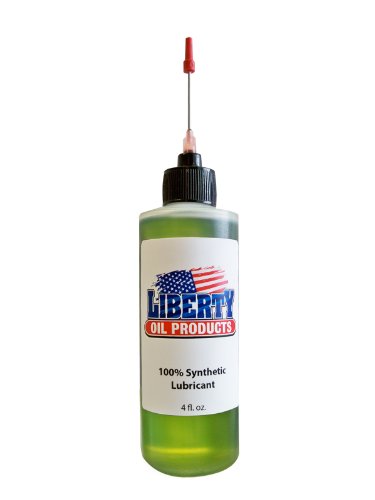
Liberty Oil, 4oz 100% Synthetic Oil for Lubricating Skateboard and Roller Blade Wheel Bearings
Protects, Cleans, and Lubricates Wheel Bearings
As an affiliate, we earn on qualifying purchases.
As an affiliate, we earn on qualifying purchases.
Frequently Asked Questions
How Can I Detect Early Signs of Bearing Failure?
You can detect early signs of bearing failure by regularly performing vibration analysis and thermal imaging. Vibration analysis helps you identify unusual patterns or increases in vibration levels, indicating potential issues. Thermal imaging allows you to spot hotspots or abnormal heat buildup early on. By combining these methods, you can catch problems before they escalate, preventing costly failures and ensuring smoother operation. Stay proactive and monitor your bearings consistently.
What Are the Most Common Causes of Silent Bearing Failures?
You often encounter silent bearing failures caused by lubrication degradation and contamination buildup. When lubrication breaks down, it reduces the protective film, leading to increased friction and wear that quietly damage the bearing. Contamination buildup, like dirt or debris, infiltrates the bearing, causing subtle harm that’s hard to detect. Regular inspections and proper maintenance help you catch these issues early, preventing loud, catastrophic failures and extending bearing life.
Do Bearing Failures Differ Between Industries or Applications?
Yes, bearing failures differ between industries and applications due to industry-specific wear patterns and application-dependent failure modes. For example, high-speed machinery in manufacturing may experience thermal fatigue, while heavy-duty construction equipment faces contamination and overload issues. You need to contemplate these factors because they influence how bearings wear and fail, guiding you to select the right bearing type and maintenance strategies tailored to each industry’s unique demands.
Can Lubrication Prevent Quiet Bearing Failures?
Yes, proper lubrication can prevent quiet bearing failures. When you maintain high lubrication quality and follow consistent maintenance schedules, you reduce friction and wear that often cause early, silent issues. Regularly checking and replenishing lubricant helps prevent contamination and breakdown, ensuring smoother operation. This proactive approach catches problems before they escalate, minimizing the risk of loud, catastrophic failures and extending your bearing’s lifespan.
How Often Should Bearings Be Inspected to Prevent Silent Failures?
You should inspect your bearings regularly, ideally every 3 to 6 months, to catch silent failures early. Use visual inspections to check for signs like discoloration or cracks, and perform vibration analysis to detect unusual patterns indicating wear or damage. Consistent monitoring helps you identify issues before they escalate, ensuring smooth operation and avoiding costly breakdowns. Stay proactive with these inspections to prolong bearing life effectively.
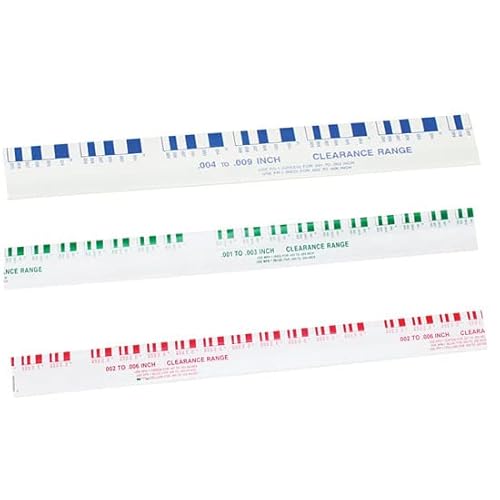
Speedway Motors Plastigauge Bearing Clearance Measurement Kit Includes Blue Green and Red Gauges for Rod and Main Journals with Reference Chart for Accurate Assembly Checks
Bearing Clearance Measurement: Allows quick and accurate checking of bearing clearances by placing the gauge on the journal,…
As an affiliate, we earn on qualifying purchases.
As an affiliate, we earn on qualifying purchases.
Conclusion
You might not notice it, but bearings often give silent signs before failing loudly. In fact, studies show that 80% of bearing failures start with subtle, unnoticed issues. By paying attention to these quiet warnings, you can prevent costly downtime and surprises. Don’t ignore the small signs; catching problems early keeps your equipment running smoothly and saves you money in the long run. Stay vigilant—those quiet failures are trying to tell you something.

Ethernet Server Room Temperature Monitor, PoE Server Rack Temperature Humidity Sensor with Web Interface, SNMP Modbus MQTT Support, Dual Power, IP55, Data Logging, Alarm & Relay Output
Precision Monitoring for Critical Environments: The server room temperature monitor is a professional temperature and humidity monitor built…
As an affiliate, we earn on qualifying purchases.
As an affiliate, we earn on qualifying purchases.
![[BLE Vibration Sensor] WTVB01-BT50 Smart Vibration Module Ar-duino, 3-axis Vibration(Amplitude+Frequency+Displacement+Speed) Detector, Wireless Acceleration Shock Motor Monitor](https://m.media-amazon.com/images/I/41va7oLvGmL._SL500_.jpg)
[BLE Vibration Sensor] WTVB01-BT50 Smart Vibration Module Ar-duino, 3-axis Vibration(Amplitude+Frequency+Displacement+Speed) Detector, Wireless Acceleration Shock Motor Monitor
【Integrated Vibration Sensor】Real-time capture of 3-axis vibration and temperature data: Vibration displacement (0~30000um) + Speed (0~50mm/s) + Amplitude…
As an affiliate, we earn on qualifying purchases.
As an affiliate, we earn on qualifying purchases.