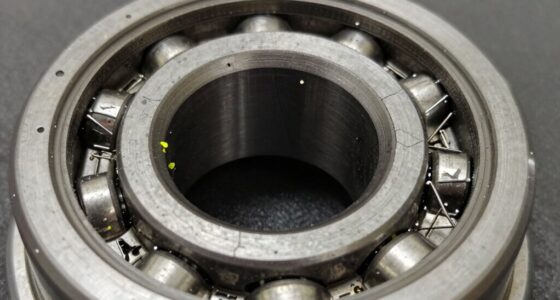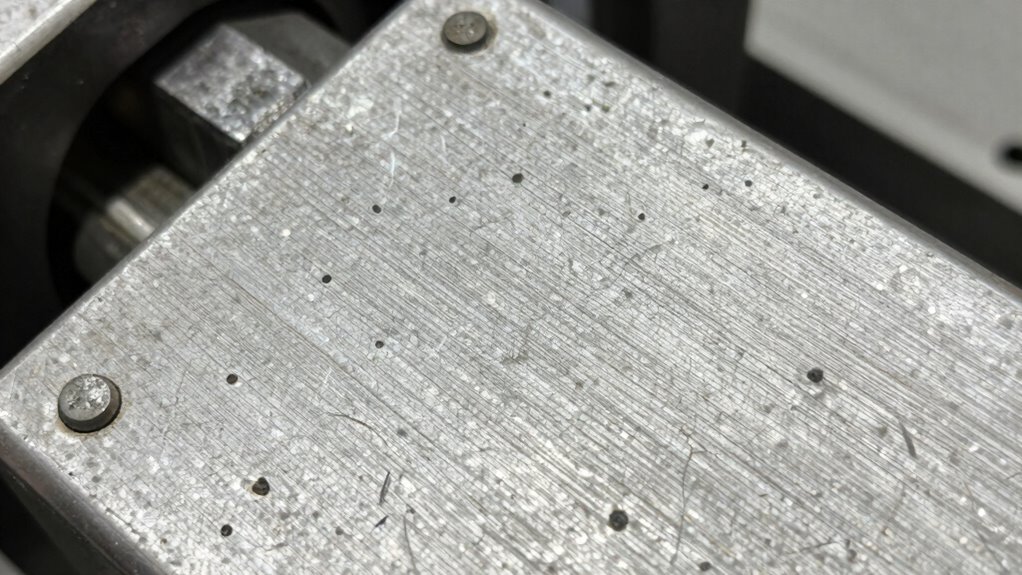

Relying solely on a “it looks fine” standard can dangerously hide hidden issues that aren’t visible on the surface. Visual checks can miss internal flaws like micro-cracks, corrosion, or material fatigue, which may develop long before any outward signs appear. Subjective judgment and inconsistent inspections can lead to overlooked problems, increasing the risk of unexpected failures. To better understand how to avoid these pitfalls, stay with us to uncover more insights.

Get garage and car supplies delivered free — and shop member deals
- Fast, free delivery on millions of items
- Access to Prime Big Deal Days deals on October 6–7
- Prime Video, Amazon Music and more included
Key Takeaways
- Visual appearance alone can miss internal or micro-level issues that threaten equipment integrity.
- Relying solely on looks leads to overconfidence and overlooks early warning signs of failure.
- Subjective judgments increase inconsistency and may cause critical defects to go unnoticed.
- Without objective testing, hidden problems like corrosion or cracks remain undetected.
- A comprehensive inspection combines visual checks with nondestructive testing to ensure safety and reliability.

Have you ever assumed a machine or equipment is safe just because it looks fine? It’s a common mistake, and one that can have serious consequences. Relying solely on visual inspection might seem enough at first glance, but appearances can be deceiving. Visual inspection involves checking the equipment’s surface for obvious signs of wear, damage, or deterioration. However, it’s a process heavily influenced by subjective judgment, meaning different inspectors might interpret the same visual cues differently. What looks like minor corrosion to one person might seem insignificant to another, leading to inconsistent evaluations. This reliance on visual cues alone can cause you to overlook hidden issues that aren’t immediately visible, such as internal corrosion, material fatigue, or micro-cracks.
Visual inspections can miss hidden issues; don’t rely solely on appearances for equipment safety.
When you depend on subjective judgment, your decision-making becomes vulnerable to personal biases, experience levels, and even fatigue. For example, if you’ve inspected a piece of equipment multiple times and it has always looked fine, you might overlook subtle changes that signal trouble. Overconfidence in your ability to spot problems visually can cloud your judgment, causing you to dismiss signs that warrant further investigation. This is why visual inspection should never be the sole method for evaluating equipment safety. It’s a good starting point, but it must be complemented by more objective testing methods, like non-destructive testing (NDT), ultrasonic testing, or detailed measurements. These methods can detect issues beneath the surface that a simple look won’t reveal.
Furthermore, appearances don’t tell the whole story. Equipment can look perfectly fine on the outside while internally suffering from corrosion, cracks, or other forms of degradation that compromise its integrity. Relying on what you see alone ignores the fact that many problems develop beneath the surface long before they become visible. If you’re only inspecting visually, you risk missing early warning signs, which can lead to unexpected failures, costly repairs, or safety hazards. It’s essential to adopt a systematic, standardized inspection process that combines visual checks with objective testing procedures. This way, you reduce the risk of overlooking critical issues and improve your ability to make informed, accurate safety judgments.
In essence, while visual inspection is a useful tool, it cannot stand alone as a definitive standard for safety. Subjective judgment can distort your perception, causing you to overlook problems that aren’t immediately visible. To ensure safety and reliability, you need to implement a detailed inspection approach that goes beyond what meets the eye. Incorporating specialized testing techniques can help uncover hidden defects and ensure equipment integrity. By doing so, you protect yourself, your team, and your equipment from avoidable accidents and failures. Remember, if it looks fine, it might still be unsafe—so always dig deeper.
non-destructive testing equipment
As an affiliate, we earn on qualifying purchases.
As an affiliate, we earn on qualifying purchases.
Frequently Asked Questions
How Can Visual Inspection Alone Miss Hidden Damages?
Visual inspection alone can miss hidden damages because surface appearance and visual cues don’t reveal internal problems. You might see no cracks or corrosion, but underlying issues like rust, internal fractures, or structural weaknesses may exist. Relying solely on what you see overlooks these hidden damages, risking safety. You need more thorough testing methods, such as ultrasound or x-ray, to uncover what’s concealed beneath the surface.
What Are the Risks of Subjective Judgment in Inspections?
You risk inspection bias and judgment variability when relying on subjective judgment. Your personal perceptions can lead to inconsistent assessments, causing you to overlook critical issues or overestimate safety. These biases may result in missed damages or faulty decisions. To minimize risks, you should standardize inspection procedures, use objective criteria, and involve multiple inspectors when possible. This approach helps guarantee consistency and increases the accuracy of your inspections.
Are There Specific Industries More Affected by This Standard?
Think of the “It Looks Fine” standard as a fragile glass. Industries like aerospace, healthcare, and automotive are more affected because their regulatory environments demand precision. Variability in industry standards can cause overlooked flaws, risking safety and compliance. When inspections rely on appearance rather than thorough checks, you risk missing critical issues that could lead to costly failures or legal trouble, especially in tightly regulated sectors.
What Alternative Inspection Standards Are More Reliable?
You should adopt inspection standards focused on measurable criteria and thorough documentation for better inspection accuracy. Techniques like statistical sampling, non-destructive testing, and checklists improve quality assurance, reducing subjective judgments. These standards help guarantee consistent, reliable evaluations, minimizing risks of overlooking defects. By emphasizing objective data and systematic processes, you enhance safety and product quality, avoiding the dangers of relying solely on visual impressions or “it looks fine” assessments.
How Can Organizations Improve Their Inspection Processes?
Improving your inspection processes is like sharpening a blade—you need precision. Focus on enhancing inspection accuracy by implementing standardized checklists and regular training. Use data-driven quality assurance methods to identify weaknesses and track progress. Engage your team in continuous improvement, encouraging feedback and inspections from multiple perspectives. This proactive approach guarantees thorough evaluations, reduces errors, and ultimately boosts overall safety and reliability in your operations.
As an affiliate, we earn on qualifying purchases.
Conclusion
So, next time you think “It looks fine,” remember you’re playing inspection roulette. Sure, appearances can be deceiving—like a wolf in sheep’s clothing. Don’t settle for “looks fine” as your standard; it’s basically a free pass to disaster. Instead, get your hands dirty, dig deeper, and embrace real scrutiny. Because, honestly, trusting your eyes alone is like trusting a fox to guard the henhouse. Stay vigilant, or pay the price later!
metal micro-crack inspection tools
As an affiliate, we earn on qualifying purchases.
As an affiliate, we earn on qualifying purchases.
As an affiliate, we earn on qualifying purchases.
Halloween Picks
halloween
As an affiliate, we earn on qualifying purchases.