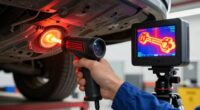
When your gear oil smells burnt, it usually means your transmission or differential is overheating or the lubrication is failing. This can happen because of excessive heat from heavy loads, worn-out parts, or cooling problems, which break down the oil’s chemical structure and reduce its effectiveness. Ignoring this smell can lead to serious damage and costly repairs. Keep exploring to understand the causes better and how to prevent future issues.

Get garage and car supplies delivered free — and shop member deals
- Fast, free delivery on millions of items
- Access to Prime Big Deal Days deals on October 6–7
- Prime Video, Amazon Music and more included
Key Takeaways
- A burnt smell indicates the gear oil has undergone thermal decomposition due to excessive heat.
- Overheating from heavy loads, mechanical friction, or cooling issues causes the oil to break down chemically.
- Contamination and oil degradation reduce lubrication effectiveness, leading to increased friction and heat.
- Persistent burnt odor signals potential damage to gears, bearings, or other transmission components.
- Addressing the cause of overheating promptly prevents costly repairs and prolongs transmission life.
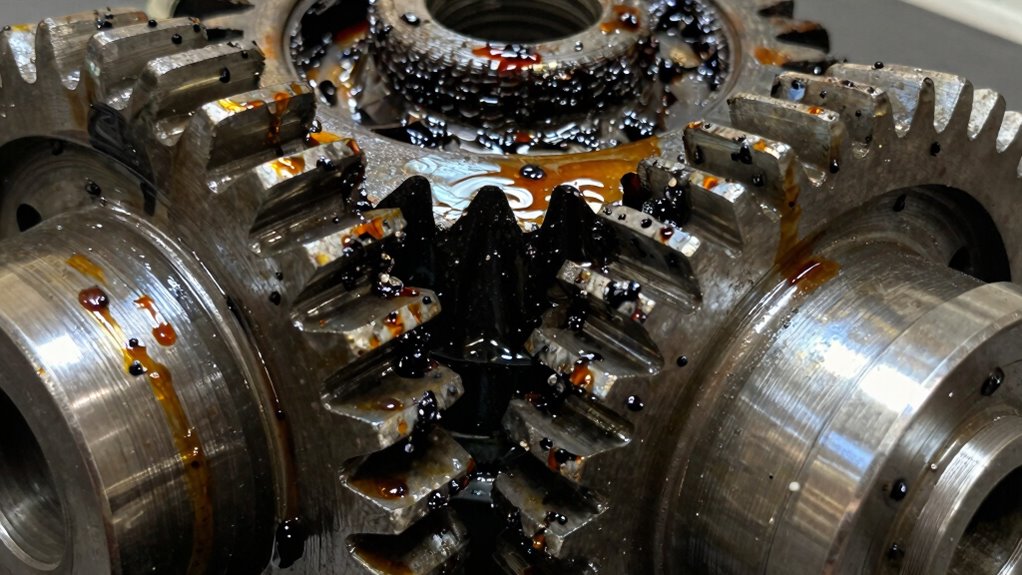
If you notice a burnt smell coming from your gear oil, it’s a clear sign that something’s wrong with your vehicle’s transmission or differential. This odor often indicates lubrication breakdown, meaning the oil has lost its ability to properly lubricate crucial components. When gear oil degrades or becomes contaminated, it can produce a burnt smell because the oil’s lubricating properties are compromised, leading to increased friction and heat. Over time, the oil’s chemical structure breaks down, reducing its effectiveness and causing it to emit that characteristic burnt odor. Recognizing this smell early can help prevent more severe damage and costly repairs down the line.
A burnt smell from gear oil signals lubrication failure and potential overheating in your vehicle’s transmission or differential.
The primary cause behind this burnt smell is often overheating. Overheating occurs when the transmission or differential parts generate excessive heat, either from continuous heavy loads, aggressive driving, or mechanical issues. When components like bearings, gears, or clutches face increased friction due to worn-out parts or improper adjustments, they generate heat that the oil must absorb and dissipate. If the oil cannot keep up—either because it’s degraded or not sufficiently rated for the workload—the temperature rises, leading to lubrication breakdown. This breakdown accelerates as the oil’s viscosity drops and its additives become less effective, further contributing to overheating causes.
Another factor that can cause overheating and the subsequent burnt smell is inadequate cooling. If your vehicle’s cooling system isn’t functioning properly, heat builds up in the transmission or differential areas, intensifying the risk of lubrication failure. Overfilled or underfilled gear oil can also create problems; too much oil can lead to aeration and foaming, which reduces lubrication efficiency, while too little oil results in insufficient coverage of moving parts. Both situations elevate the chances of heat buildup, exacerbating overheating causes and increasing the likelihood of a burnt smell.
Additionally, contaminated gear oil can significantly reduce lubrication performance and lead to overheating, making regular oil checks essential. When you detect this burnt odor, it’s essential not to ignore it. It’s a sign that your gear oil needs immediate attention—either a top-up, a complete change, or an inspection of the cooling system and mechanical components. Persistent overheating can cause severe damage, such as warped gears or worn bearings, which are costly to repair. Regularly checking your gear oil’s condition and ensuring your vehicle’s cooling system functions correctly helps mitigate overheating causes. Ultimately, understanding the link between lubrication breakdown and overheating allows you to take proactive steps to protect your vehicle’s transmission and differential, extending their lifespan and maintaining ideal performance.
As an affiliate, we earn on qualifying purchases.
Frequently Asked Questions
Can Burnt Smell Indicate Imminent Gear Failure?
Yes, a burnt smell can indicate imminent gear failure, as it often signals oil degradation from excessive heat. When gear oil smells burnt, it suggests the lubricant is breaking down, reducing its ability to protect gears and increasing wear risk. Ignoring this smell could lead to gear failure. Check your gears and replace the oil promptly to prevent costly repairs and ensure smooth operation.
How Often Should Gear Oil Be Checked for Burning Smell?
You should check for a burnt smell through regular oil testing and smell detection, ideally every 3 to 6 months or after heavy use. Pay close attention to any unusual odors, which can indicate overheating or potential issues. Consistent monitoring helps catch problems early, preventing gear failure. If you notice a burnt scent, it’s wise to inspect the gear oil and perform maintenance promptly to avoid costly repairs.
Does a Burnt Smell Always Mean Oil Needs Replacement?
A burnt smell doesn’t always mean you need to replace your gear oil. It could indicate oil contamination or high temperature indicators causing the odor. Check for signs of overheating or contamination, as these can degrade the oil’s effectiveness. If the smell persists despite proper maintenance, consider inspecting the gear system or replacing the oil to prevent damage. Regular checks help catch issues early, avoiding costly repairs later.
Are There Safety Risks Associated With Burnt Gear Oil?
Think of burnt gear oil like a warning sign on a cliff’s edge—you know there’s danger ahead. Yes, there are safety hazards and chemical exposure risks if you handle burnt gear oil improperly. Prolonged contact or inhalation can cause skin irritation or respiratory issues. Always wear gloves and a mask, ventilate the area, and handle it carefully. Ignoring these safety risks could lead to health problems or accidents.
Can Using the Wrong Gear Oil Cause a Burnt Smell?
Using the wrong gear oil can definitely cause a burnt smell. If you fill your transmission or differential with incorrect oil, it might not handle the heat properly, leading to overheating gear. This excess heat breaks down the oil faster, resulting in a burnt odor. Always verify you’re using the correct gear oil for your vehicle to prevent overheating gear and avoid the unpleasant smell and potential damage.
As an affiliate, we earn on qualifying purchases.
Conclusion
So, if your gear oil smells burnt, don’t ignore it—think of it as a red flag waving wildly at you. It might just be a minor issue, or it could be the sign of something more serious brewing beneath the surface. Address it promptly, or you risk turning your vehicle into a fiery catastrophe faster than you can say “gear failure.” Stay vigilant, catch problems early, and keep your ride running smoother than a hot knife through butter.
As an affiliate, we earn on qualifying purchases.
As an affiliate, we earn on qualifying purchases.
Halloween Picks
halloween
As an affiliate, we earn on qualifying purchases.