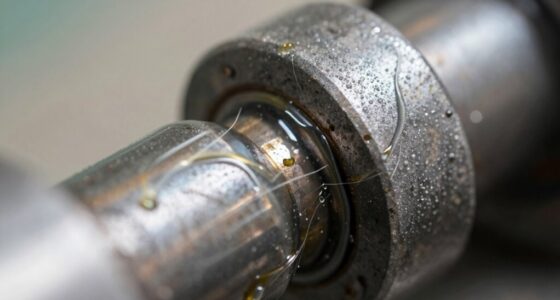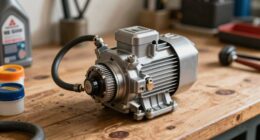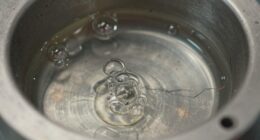
If you hear whining after a fluid change, it’s usually a temporary issue caused by trapped air or the pump working harder due to new fluid properties. Once the air is expelled or the system stabilizes, the noise often goes away. This isn’t necessarily a sign of damage, but if the whine persists or worsens, it’s a good idea to check further. Keep going to learn how to ensure your system stays healthy.
Key Takeaways
- Pump whine after fluid change is often caused by trapped air or changes in fluid viscosity.
- It’s a normal temporary response that usually resolves as air is purged from the system.
- Turning the steering wheel lock to lock helps remove trapped air and reduce noise.
- Persistent or worsening whine may indicate low fluid levels or pump issues needing professional inspection.
- Most pump whine shortly after fluid replacement is normal; ongoing noise should be checked by a mechanic.

If you’ve recently had your vehicle’s fluid changed and now hear a whining noise, you might be concerned about what’s causing it. This fluid noise, often described as a pump whine, can be unsettling, but it’s quite common after a fluid service. When the fluid is replaced, especially in systems like power steering, transmission, or differential, it can temporarily produce a high-pitched sound. This pump whine results from the pump working harder or differently due to the new fluid’s properties or level. Understanding why this noise occurs helps you determine if it’s normal or if you should seek professional advice.
The pump whine is usually caused by the pump’s internal components adjusting to the new fluid. Different fluids have varying viscosities and additives that can affect how smoothly the pump operates. When fresh fluid is introduced, it can create a slight change in pressure or flow, resulting in the characteristic whining sound. This is particularly noticeable in power steering systems where the pump is constantly circulating fluid. The noise might be more prominent during steering maneuvers or when the vehicle is idling, as the pump work increases. It’s important to note that this sound isn’t necessarily a sign of damage; rather, it’s often a temporary response to the change in fluid dynamics.
In some cases, the pump whine can also be linked to air trapped in the system. When fluid is replaced, air can become mixed in, creating cavitation within the pump. This cavitation manifests as a high-pitched squeal or whine. Usually, this issue resolves on its own once the air is purged from the system through normal driving or by running the pump with the vehicle turned on for a few minutes. You might also notice the noise diminish after turning the steering wheel from lock to lock a few times, which helps remove trapped air. Air in the system can also contribute to the whining noise and is a common cause after fluid changes.
However, if the fluid noise persists long after the initial change, or if it worsens over time, it could indicate a problem. For instance, a worn-out pump or a low fluid level might cause increased pump whine. In such cases, it’s best to have a professional inspect your vehicle. They can verify if the fluid level is correct, check for air in the system, or identify any pump issues that could lead to damage if left unaddressed. While a brief, high-pitched pump whine after a fluid change is often normal, ongoing noise should never be ignored.

EVIL ENERGY 16 Row Oil Cooler Kit, 10AN Transmission Engine Cooler British Radiator Universal Aluminium Black
Universal Fit & Compatibility: Designed to fit most vehicles and compatible with 330mm engine oil cooler brackets. Please...
As an affiliate, we earn on qualifying purchases.
Frequently Asked Questions
Can a Whine After Fluid Change Indicate a Serious Problem?
A whine after a fluid change could indicate a serious issue, like pump failure or fluid contamination. If the pump isn’t functioning properly, it can create a high-pitched noise. Fluid contamination, such as dirt or debris, can also cause strain on parts, leading to noise and potential damage. You should have a mechanic inspect your system promptly to prevent further damage and guarantee everything’s operating smoothly.
How Long Should I Expect the Whine to Last?
You can usually expect the fluid noise or transmission whine to last for a few days to a week after your fluid change. If it persists longer or worsens, it might indicate a problem, so keep an eye on it. During this period, the new fluid is settling, but if the whine remains or intensifies, get it checked by a professional to prevent potential damage.
Is It Safe to Drive With a Whining Noise?
Driving with a whining noise is like sailing through fog—you might miss warning signs. If the noise is persistent, it could signal fluid contamination or pump failure, which can lead to more serious issues. You should avoid driving until a mechanic checks your vehicle, as continuing can worsen damage. It’s safest to address the problem promptly to prevent costly repairs from fluid contamination or pump failure.
Does the Type of Fluid Affect the Noise Level?
Yes, the type of fluid can affect noise levels, especially if it’s incompatible with your vehicle’s system. Using the right fluid guarantees proper fluid compatibility, which helps with noise mitigation. If you choose an incorrect fluid, it may cause increased whine or other noises. Always follow your manufacturer’s recommendations to prevent issues and keep your vehicle running smoothly, minimizing unwanted sounds and ensuring ideal performance.
When Should I See a Mechanic for the Whine?
You should see a mechanic promptly if the whine worsens, persists, or is accompanied by other warning signs. Ignoring fluid contamination or gear damage can lead to serious system failure. Don’t delay if the noise intensifies or if you notice sluggish shifting or strange vibrations. Quick action prevents costly repairs and preserves your vehicle’s performance. Trust a professional to diagnose and deliver a definitive fix before minor issues become major mishaps.

American Volt 30 Row Transmission Oil Cooler Fan 10AN in-Line 180'F Thermostat Temperature Switch Kit, Black
30 stacked plate aluminum heavy duty engine transmission oil cooler.
As an affiliate, we earn on qualifying purchases.
Conclusion
So, next time you hear that haunting whine after a fluid change, remember it’s like a temporary ghost trying to settle. Usually, it’s just a passing breeze in the engine’s symphony, not a sign of disaster. Trust the process, give it a little time, and let the engine find its rhythm again. With patience, that unsettling noise will fade, revealing the smooth, steady heartbeat of your vehicle ready to hit the road.

Derale Fluid Cooler and Fan, 12.75 x 9.375 x 4.313 in, Plate and Fin Type, 5/8-18 in Female O-Ring Inlet/Outlet, 8 AN Male Adapters, Fittings, Aluminum, Black Powder Coat, Universal, Each
Mounts anywhere space permits
As an affiliate, we earn on qualifying purchases.

Oil Catch Can, 300ml Black Baffled Catch Can Tank Kit, Aluminum Oil Separator with Fuel Line Hose Kit, Coolant Reservoir Tank
Efficient Oil Catch: Use this oil catch can kit reduce oil and water buildup in your engine use...
As an affiliate, we earn on qualifying purchases.