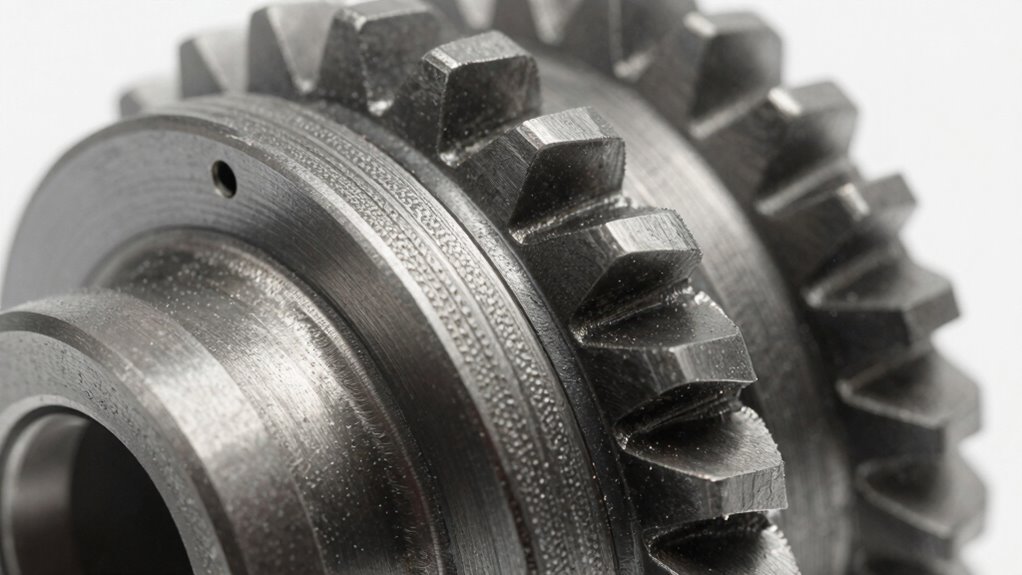

Manual transmission synchronizers create friction by using tapered cones and sliding sleeves that press together during gear shifts. As you shift gears, the sleeve moves to contact the cone attached to the gear, and the contact surfaces rub against each other. This friction slows down or speeds up the gears, matching their rotational speeds. If you keep exploring, you’ll discover more about how these precise components work together seamlessly.

Get garage and car supplies delivered free — and shop member deals
- Fast, free delivery on millions of items
- Access to Prime Big Deal Days deals on October 6–7
- Prime Video, Amazon Music and more included
Key Takeaways
- Synchronizers use friction surfaces, like cones and sleeves, to generate contact and resist relative motion during gear shifts.
- The tapered design of synchronizer cones increases contact area, enhancing friction and speed matching.
- When shifting, the sleeve slides over the cone, creating friction that slows or speeds gear to match shaft speed.
- Friction material properties ensure durability and consistent performance during repeated engagements.
- The controlled friction allows smooth gear engagement without grinding or damage to transmission components.
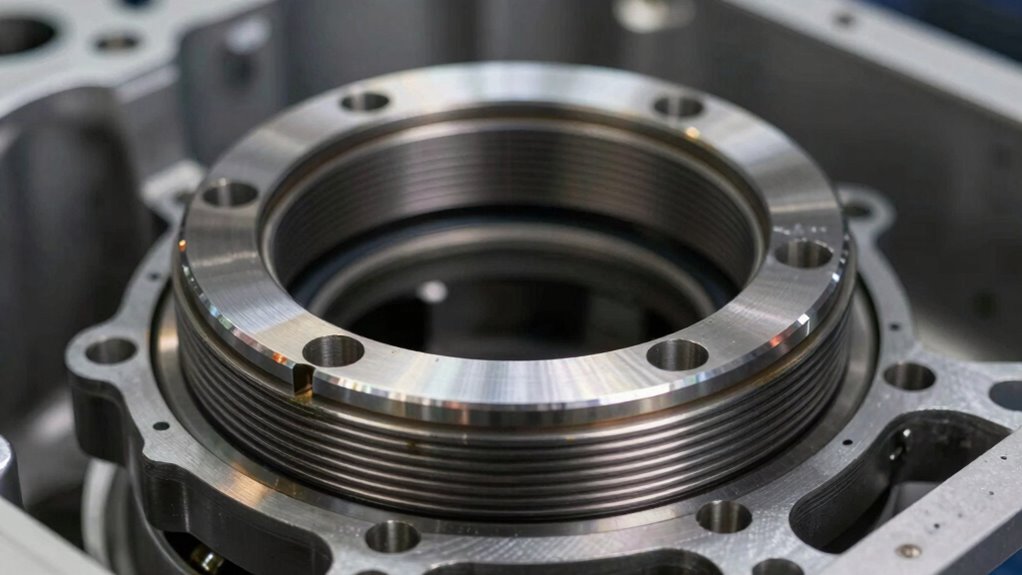
Have you ever wondered how drivers smoothly shift gears without grinding? It all comes down to the clever engineering behind manual transmission synchronizers. When you change gears, your goal is to engage the new gear smoothly without causing damage or jerks. This process relies heavily on gear engagement and the intricate design of the synchronizer. The synchronizer’s main role is to match the speeds of the gear and the shaft before they lock together, and it accomplishes this through friction.
Synchronizers match gear and shaft speeds smoothly using friction, preventing grinding and ensuring seamless gear shifts.
The synchronizer design includes several key components: a hub, a sleeve, and blocks or cones made of friction material. As you move the gear shifter, the sleeve slides along the hub, engaging with the synchronizer cone. This cone is attached to the gear that’s about to be engaged. When the sleeve contacts the cone, it creates friction, which is essential for matching the rotational speeds of the gear and the shaft. Without this friction, gear engagement would be harsh, grinding, and damaging the transmission.
The magic of the synchronizer lies in how it creates just enough friction to synchronize speeds quickly and efficiently. When you shift, the synchronizer initially resists engagement, giving the system time to equalize the rotational velocities. During this process, friction between the cone and the sleeve works to synchronize the gear and shaft speeds. Once they’re aligned, the sleeve can fully engage with the gear, locking it into place smoothly. This friction-based method allows for seamless gear changes, reducing wear and extending the life of your transmission.
The synchronizer’s design is carefully crafted to optimize this process. Modern designs use specific friction materials and precise geometries to balance quick engagement with durability. The cones are often tapered to increase contact area, ensuring effective speed matching without excessive wear. The friction surfaces are engineered to withstand repeated engagement and disengagement, maintaining their effectiveness over thousands of shifts. This careful engineering ensures that your gear changes feel smooth, almost effortless, without the need for forceful clutching or grinding.
In essence, the synchronizer creates controlled friction that acts as a temporary speed buffer during shifting. It’s a finely tuned system that allows you to change gears smoothly and reliably, making driving a more comfortable experience. Without the thoughtful synchronizer design, gear engagement would be noisy and damaging. Instead, these components work behind the scenes, quietly ensuring every shift is as smooth as the last.
manual transmission synchronizer repair kit
As an affiliate, we earn on qualifying purchases.
As an affiliate, we earn on qualifying purchases.
Frequently Asked Questions
How Do Synchronizers Differ Between Manual and Automatic Transmissions?
You’ll notice that synchronizers in manual transmissions are designed for gear engagement and clutch synchronization, helping you shift smoothly. In automatics, the process is managed by planetary gears and hydraulic systems, eliminating the need for traditional synchronizers. This difference means manual synchronizers create friction to match gear speeds during shifts, while automatics rely on internal components to automatically synchronize gear engagement, offering a different driving experience.
What Materials Are Typically Used in Manufacturing Synchronizers?
You’ll find synchronizer materials often include high-quality steels, bronze, and brass, chosen for their durability and friction properties. Friction alloys are essential, as they enhance the synchronizer’s ability to smoothly engage gears. These materials work together to create the necessary friction, allowing for seamless gear shifts. Understanding these materials helps you appreciate how synchronizers maintain performance and longevity in manual transmissions.
Can Worn Synchronizers Be Repaired or Only Replaced?
Worn synchronizers generally need to be replaced, not repaired. You can’t effectively fix synchronizer wear through repair, as the friction surfaces are usually too damaged or worn out. Instead, you should look into synchronizer repair options only if the damage is minor, but most often, worn synchronizer fixes involve replacing the entire unit. This guarantees smooth gear shifts and prevents further transmission issues.
How Does Temperature Affect the Friction Process in Synchronizers?
Temperature impacts the friction process in synchronizers by affecting heat impact and lubrication effects. When it gets too hot, the heat can reduce the effectiveness of the lubrication, causing the friction surfaces to wear faster. Conversely, colder temperatures can increase friction temporarily, making gear shifting smoother. Maintaining proper operating temperature guarantees consistent friction, preventing premature wear and ensuring smooth engagement of gears.
Are There Advancements Improving Synchronizer Efficiency and Longevity?
While traditional synchronizers relied solely on metal-to-metal friction, advancements now improve efficiency and longevity through better synchronizer lubrication and refined gear engagement techniques. These innovations reduce wear, enhance smoothness, and extend lifespan. By optimizing lubrication, manufacturers minimize heat and friction, while improved gear engagement methods ensure faster, quieter shifts. Embracing these developments helps you experience more reliable, durable transmissions, making driving smoother and maintenance easier over time.
car transmission synchronizer replacement
As an affiliate, we earn on qualifying purchases.
As an affiliate, we earn on qualifying purchases.
Conclusion
Understanding how manual transmission synchronizers create friction helps you appreciate the skill behind smooth gear shifts. For example, imagine you’re driving and smoothly shift from third to fourth gear; that’s the synchronizer working to match speeds seamlessly. Next time you get behind the wheel, recognize how this tiny component guarantees a quiet, comfortable ride. Mastering these details can make you a more confident driver, turning gear changes into a fluid, effortless experience.
manual gear shift friction parts
As an affiliate, we earn on qualifying purchases.
As an affiliate, we earn on qualifying purchases.
transmission synchronizer cone and sleeve
As an affiliate, we earn on qualifying purchases.
As an affiliate, we earn on qualifying purchases.
Halloween Picks
halloween
As an affiliate, we earn on qualifying purchases.