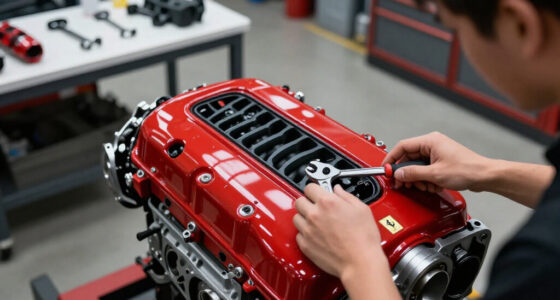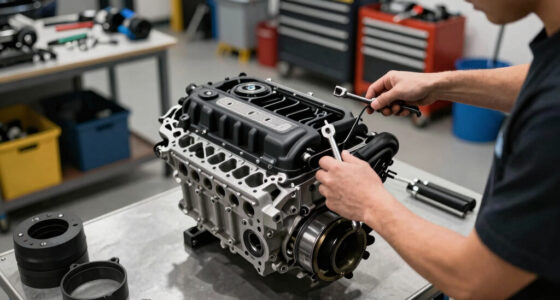
When your transmission shifts more smoothly, the system prioritizes comfort by controlling clutch engagement and reducing slip, which means less aggressive gear changes. This softer approach can lead to decreased torque transfer efficiency and increased wear over time. While it makes your drive more pleasant, it may compromise durability and protection during demanding driving conditions. If you keep exploring, you’ll discover just how these adjustments impact your transmission’s longevity and performance.

Get business pricing on garage and car supplies
- Business-only prices and quantity discounts
- Tax-exempt purchasing
- Multiple users, one account, clear invoices
Key Takeaways
- Smoother shifting involves softer engagement, which can increase slip and reduce torque transfer, stressing transmission components over time.
- Prioritizing comfort through calibration may weaken the transmission’s ability to withstand high-stress conditions.
- Reduced engagement firmness can lead to less resistance during demanding driving, decreasing overall protection.
- Softer shifts can accelerate component wear, potentially shortening the transmission’s lifespan.
- Balancing smoothness often results in less aggressive gear engagement, lowering the transmission’s resilience under heavy load.
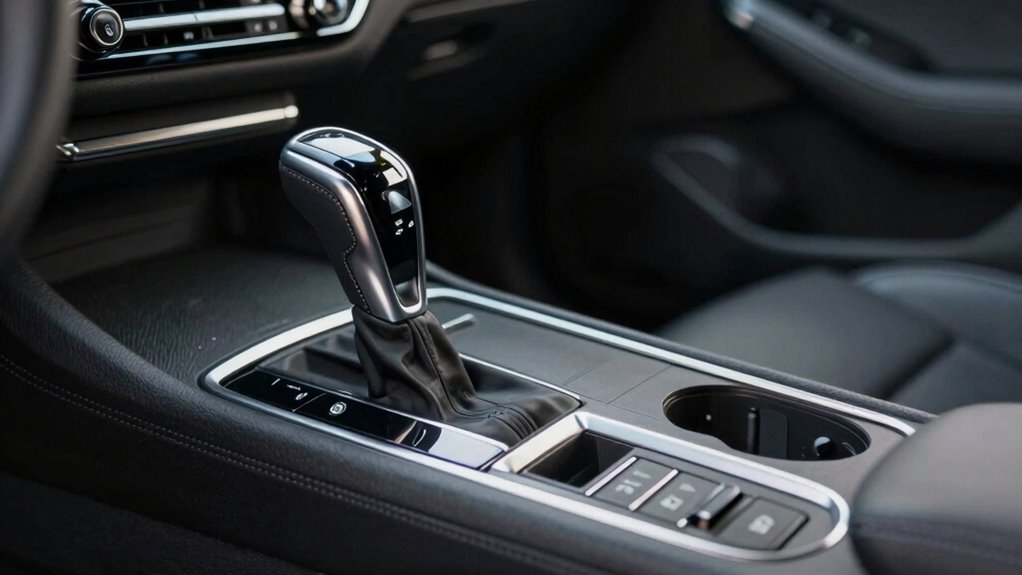
Smoother shifting is typically achieved by controlling the timing and pressure of clutch or band engagement within the transmission. While this results in a more pleasant driving experience, it can also mean that the transmission isn’t engaging gears as aggressively as it once did. Less aggressive gear engagement can lead to increased slip and reduced torque transfer efficiency, which over time may accelerate component wear. As a result, the transmission might become less durable, especially under demanding conditions like towing or aggressive driving. You might notice that your transmission feels less resilient, and repairs or replacements could become necessary sooner than you’d expect. Additionally, manufacturers often use transmission calibration adjustments that prioritize shift smoothness over maximum protection. The focus on smooth gear engagement often involves fine-tuning hydraulic pressures and shift timing, which can soften the feel of gear changes. While this benefits daily driving by creating a seamless transition between gears, it also means that the transmission isn’t working as hard to ensure firm, confident gear engagement. This softer engagement can sometimes compromise the transmission’s ability to withstand high stress, reducing its overall durability. If you frequently drive in challenging conditions, this trade-off can become more evident, as the system may struggle to maintain protection during high loads or rapid shifts. Ultimately, manufacturers aim to strike a balance between comfort and longevity, but in doing so, they sometimes favor smoother shifts over maximum protection. If your priority is a longer-lasting transmission, you might prefer a setup that emphasizes durability and firm gear engagement, even if it sacrifices some smoothness. Conversely, if comfort is your main concern, you might accept a slight decrease in transmission resilience. Understanding this trade-off helps you make better decisions about how your vehicle is tuned or modified, ensuring your driving experience aligns with your expectations and needs.
transmission fluid for smoother shifting
As an affiliate, we earn on qualifying purchases.
As an affiliate, we earn on qualifying purchases.
Frequently Asked Questions
Does Smoother Shifting Affect Fuel Efficiency?
Yes, smoother shifting can improve fuel efficiency by reducing engine strain and optimizing transmission performance. When your transmission shifts seamlessly, it experiences less wear, which can prolong its longevity. Plus, smoother shifts enhance driver comfort, making your ride more enjoyable. By maintaining a well-functioning transmission, you not only save on fuel but also guarantee the system stays reliable longer, giving you peace of mind on every drive.
Can Smoother Shifting Cause Increased Transmission Wear?
Smoother shifting can actually lead to increased transmission wear if it causes the transmission to operate outside its ideal shifting range. For example, a driver who constantly shifts at very low RPMs might strain the transmission, reducing shifting durability. Over time, this improper shifting can cause accelerated transmission wear, highlighting that smoother shifting isn’t always better for long-term transmission health. Proper shifting habits are key to maintaining transmission lifespan.
Is Smoother Shifting Suitable for All Vehicle Types?
Smoother shifting isn’t suitable for all vehicle types. If you drive a vehicle with automatic transmissions, you might appreciate the comfort, but it could reduce transmission protection if it masks early issues. For manual gearboxes, smooth shifts depend on your skill and can affect longevity if not done properly. Always consider your vehicle’s design and manufacturer recommendations to guarantee peak performance and protection.
How Does Smoother Shifting Impact Overall Vehicle Safety?
Smoother shifting might seem like a win, but it can subtly impact your vehicle’s safety. When gear engagement is too seamless, you might not notice shifts, leading to delayed responses during critical moments. While driver comfort improves, you risk reduced control, especially in emergency maneuvers. Be aware that overly smooth shifts can mask issues, making it harder to detect problems early, ultimately compromising your safety on the road.
Are There Specific Driving Conditions That Benefit From Smoother Shifting?
You benefit from smoother shifting in driving conditions like stop-and-go traffic, hilly terrains, or city driving, where adaptive transmissions excel. These transmissions adjust gear changes for maximum driving comfort, reducing jerks and vibrations. When you encounter frequent accelerations and decelerations, smoother shifting enhances your overall experience by making your ride more comfortable and seamless, especially in challenging conditions that demand precise, adaptive control.
As an affiliate, we earn on qualifying purchases.
Conclusion
Remember, seeking smoother shifting is like chasing a silk ribbon—delicate and appealing, but it can slip through your fingers when protection needs are highest. While effortless shifts feel great, they might leave your transmission vulnerable, like a house with thin walls during a storm. Prioritize a balance between comfort and safety. Sometimes, a little roughness is your car’s way of whispering, “I’m still sturdy enough to protect you when it counts.” Stay mindful and choose wisely.
automatic transmission service tools
As an affiliate, we earn on qualifying purchases.
As an affiliate, we earn on qualifying purchases.
high-performance transmission cooler
As an affiliate, we earn on qualifying purchases.
As an affiliate, we earn on qualifying purchases.
Fall Picks
fall essentials
As an affiliate, we earn on qualifying purchases.