
To build a real service history, focus on consistent, clear labeling and thorough documentation of all activities, processes, and decisions. Use standard terminology, include essential details like dates and signatures, and organize records for easy access. Incorporate digital systems to enhance accuracy and security. This approach creates transparency, guarantees compliance, and helps you track progress over time. Keep going, and you’ll discover how to make your service history both reliable and impactful.
Key Takeaways
- Use clear, standardized labels with essential details like dates, batch numbers, and signatures for easy tracking.
- Maintain comprehensive and organized records that are easily accessible for verification and troubleshooting.
- Follow certification standards to ensure your documentation is complete, accurate, and audit-ready.
- Digitize records and labeling systems to enhance security, efficiency, and strategic value.
- Consistently update and review documentation to reflect current processes, building a trustworthy service history.

Have you ever wondered why clear labeling and thorough documentation are essential in managing products and processes? The answer lies in building a reliable service history, which depends heavily on your ability to track, verify, and communicate critical information accurately. Proper labeling ensures that every product or process step is easily identifiable, reducing the risk of errors and confusion. Meanwhile, meticulous documentation creates a transparent record of activities, decisions, and outcomes, forming the foundation for accountability and continuous improvement.
One of the key aspects to consider is adhering to certification standards. These standards set the benchmarks for quality, safety, and consistency, and they often specify the types of information that need to be recorded and how it should be presented. When you follow these standards, you demonstrate compliance and boost confidence among stakeholders, customers, and regulatory bodies. Certification standards also guide your record keeping practices, ensuring that your documentation is complete, accurate, and up-to-date. This consistency is vital, especially during audits or reviews, where detailed records prove your processes are compliant and well-managed.
Effective record keeping practices go beyond simply storing data; they involve organizing information in a manner that’s accessible and actionable. You want to develop a system where every label is clear and unambiguous, with essential details like dates, batch numbers, or authority signatures prominently displayed. When you maintain thorough records, you enable quick retrieval of information when needed, whether for troubleshooting, quality assurance, or verifying compliance. This proactive approach helps prevent issues from escalating and facilitates swift resolutions.
Organize labels clearly with essential details for quick access and effective troubleshooting.
Moreover, your labeling practices should be standardized across all products and processes. Use consistent terminology, symbols, and formats to avoid misinterpretation. When your labels are standardized, everyone involved understands their meaning immediately, which enhances safety and efficiency. Coupled with good record keeping practices, this consistency builds a comprehensive service history that proves your operations are reliable and well-documented.
In addition, integrating digital record systems can significantly improve the efficiency and security of your documentation processes. In essence, clear labeling and detailed documentation aren’t just administrative chores; they’re strategic tools that help you build a trustworthy service history. By aligning your practices with certification standards and maintaining disciplined record keeping, you create a transparent, traceable trail of your activities. This not only ensures compliance but also supports ongoing improvements, customer confidence, and operational excellence. When you prioritize clarity, precision, and consistency in labeling and documentation, you’re laying the groundwork for long-term success and credibility in your industry.

Smart Labels QR Code Stickers Pack of 48 (Original) Made in USA – QR Code Labels for Storage & Inventory Tracking, Storage Unit Organization, App Stickers for Inventory Organization & Moving Supplies
SMART ORGANIZATION WITH COLOR-CODED QR CODES: Say goodbye to clutter! Our qr code storage system, including a qr…
As an affiliate, we earn on qualifying purchases.
As an affiliate, we earn on qualifying purchases.
Frequently Asked Questions
How Can I Verify the Authenticity of Service Records?
You can verify the authenticity of service records through digital verification, which confirms the records are genuine using secure online databases. Additionally, seek third-party authentication services that review and certify the documentation. Always check for official stamps, signatures, and matching details. Combining digital verification with third-party authentication gives you a reliable way to ascertain the service records are authentic and trustworthy.
What Are Common Mistakes in Vehicle Labeling?
You often make mistakes with service sticker placement, which can cause confusion. Make certain the stickers are placed consistently in visible, standardized locations. Avoid ignoring color coding standards, as they help quickly identify service types and dates. Misaligning or using incorrect colors can lead to misinterpretation. Double-check your labeling practices regularly, and follow industry guidelines to maintain clear, accurate records that build a trustworthy service history.
How Often Should Documentation Be Updated?
Like a well-tuned engine, your documentation needs regular maintenance. You should update your service records whenever maintenance or repairs occur to guarantee service record accuracy. Keep your documentation stored securely, and review it periodically—preferably every six months—to catch any discrepancies. Regular updates preserve a clear history, boosting your vehicle’s value and reliability. Don’t let outdated records stall your progress; keep them fresh and accurate for the long drive ahead.
Can Missing Documentation Affect Vehicle Resale Value?
Missing documentation can considerably impact your vehicle’s resale value because it raises concerns about record authenticity and documentation accuracy. Buyers may doubt the vehicle’s maintenance history, leading them to offer lower prices or walk away altogether. To protect your investment, make sure all service records are complete, accurate, and readily available. This transparency builds trust, demonstrating a well-maintained vehicle and boosting its resale appeal.
What Legal Requirements Exist for Service Labeling?
You must guarantee your service labeling complies with legal standards, which typically require clear, accurate, and truthful information to maintain legal compliance. Accurate labels help verify service history and protect against false claims. By prioritizing service history accuracy in your labels, you stay compliant with regulations, prevent legal issues, and build trust with buyers. Always follow local laws and industry guidelines to avoid penalties and ensure your documentation supports the vehicle’s resale value.

Genealogy Standards Second Edition Revised
As an affiliate, we earn on qualifying purchases.
As an affiliate, we earn on qualifying purchases.
Conclusion
By properly labeling and documenting your service history, you guarantee transparency and smooth future maintenance. Did you know that companies with thorough documentation are 30% more likely to extend equipment lifespan? Taking the time now to record every detail not only saves headaches later but also boosts your confidence in managing your assets. So, start building that detailed service history today—your future self will thank you for it!
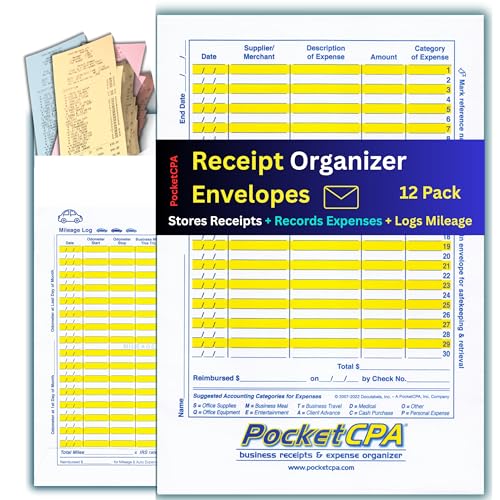
PocketCPA 3-in-1 Receipt Organizer Envelopes with Expense & Mileage Logs | 12-Pack | Organize Receipts, Track Business Expenses & Record Auto Mileage | 9.5" x 6.5" | Made in USA.
✅ All-in-One Receipt Organizers: USA-designed & manufactured organizers store, sort, and organize your receipts, expenses, and mileage with…
As an affiliate, we earn on qualifying purchases.
As an affiliate, we earn on qualifying purchases.

Phomemo M110 Label Makers – Barcode Label Printer Bluetooth Label Maker Portable Thermal Printer for Small Business, Address, Barcode, Logo, Clothing, Mailing, Sticker Printers for Phone & PC, Black
Easy Use Label Maker Printer- Mini Bluetooth wireless thermal mobile label printer, connect your mobile phone easily. There…
As an affiliate, we earn on qualifying purchases.
As an affiliate, we earn on qualifying purchases.