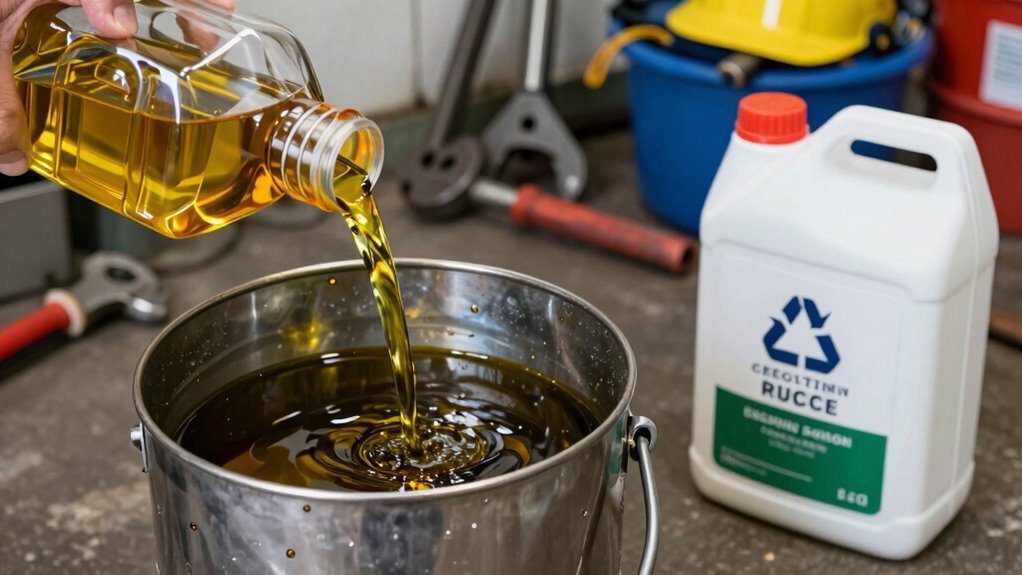

To handle old oil responsibly and avoid contaminating new oil, always store used oil separately in clean, leak-proof containers labeled clearly. Never pour it down drains, onto the ground, or into trash. Instead, take it to approved recycling centers or collection events, which guarantees safe disposal. Avoid mixing it with coolants or chemicals. Following these guidelines protects your engine and the environment, and exploring proper disposal methods helps keep your community safe and clean.
Key Takeaways
- Store used oil in a clean, sealed container to prevent leaks and contamination.
- Keep used oil separate from other fluids like coolants and solvents.
- Recycle used oil at authorized facilities or service stations to avoid environmental harm.
- Avoid pouring used oil down drains, onto soil, or into trash to prevent contamination.
- Follow local disposal guidelines and participate in hazardous waste collection events for safe handling.
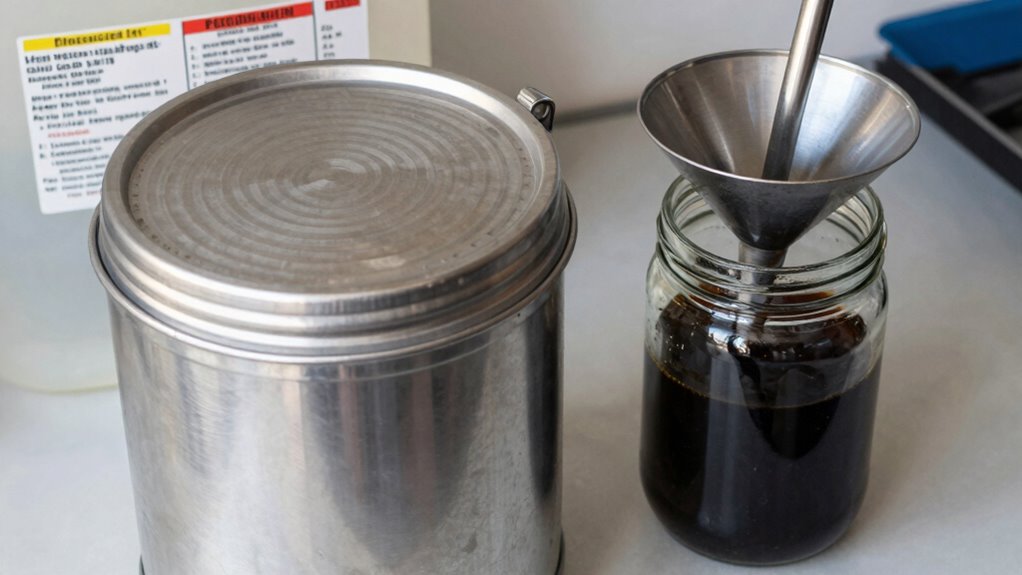
Have you ever wondered what to do with old motor oil instead of pouring it down the drain or onto the ground? Proper disposal is essential to prevent environmental harm and preserve your community’s natural resources. When it comes to handling old oil responsibly, understanding recycling methods and disposal techniques can make all the difference. Instead of risking contamination or fines, you should seek out approved collection centers or authorized recycling facilities. These locations are equipped to process used motor oil safely, ensuring it’s either reused or disposed of without polluting water supplies or soil.
Recycling methods are designed to recover valuable components from used oil, such as re-refined base oils that can be used again in manufacturing new lubricants. Many service stations, auto parts stores, and municipal waste facilities accept used motor oil for recycling at no cost. Before you drop off your oil, make sure it’s stored in a clean, leak-proof container with a secure lid—preferably the original container or a dedicated oil recycling jug. Label the container clearly to avoid any mix-ups or accidental disposal with regular trash. This simple step ensures the oil remains uncontaminated and ready for proper recycling.
Recycle used motor oil at authorized centers in clean, labeled containers to prevent contamination and promote environmental safety.
Disposal techniques are equally important when recycling isn’t immediately available. Never pour old motor oil into storm drains, onto the ground, or into the trash, as this can lead to groundwater contamination and environmental damage. If you can’t find a recycling center nearby, contact your local waste management authority for guidance. Some communities host hazardous waste collection events periodically, where you can safely dispose of small quantities of used motor oil. During these events, trained personnel handle the oil according to strict disposal techniques, preventing environmental pollution.
To further reduce risks, avoid mixing used oil with other substances like coolant, solvents, or chemicals, as this complicates recycling and disposal processes. Keep used oil separate from other waste to facilitate proper handling. Additionally, never burn used oil in open fires or burn barrels, as it releases toxic fumes harmful to health and the environment. When in doubt, always opt for professional disposal options or certified recycling centers. They have the expertise and equipment necessary to process used motor oil responsibly, ensuring it doesn’t contaminate new oil or natural surroundings. Being aware of vetted recycling options and adhering to proper disposal methods helps protect both your community and the environment.
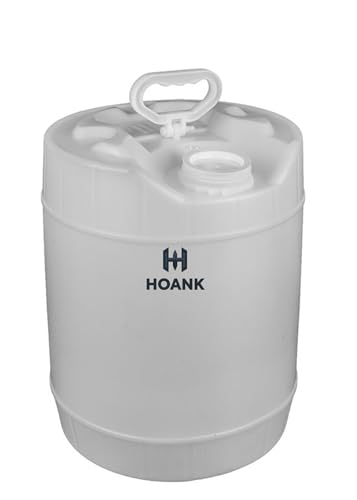
HOANK Oil Storage Container Automotive – Translucent Recycle Oil Jug – 5.5 Gallon Oil Container Automotive – ext. dia. 11.5" x 14.75" H. (Lid Included)
CAPACITY: 5-gallon translucent container perfect for storing and recycling used automotive oil with clear visibility of fluid levels
As an affiliate, we earn on qualifying purchases.
As an affiliate, we earn on qualifying purchases.
Frequently Asked Questions
Can Used Oil Be Recycled Into New Oil Products?
Yes, used oil can be recycled into new oil products through proper recycling processes. You should utilize oil filtration techniques to remove contaminants during recycling, ensuring the oil’s quality. Recycling processes involve cleaning and refining the used oil, making it suitable for reuse or blending into new products. By participating in these efforts, you help minimize waste and environmental impact, promoting a sustainable and responsible approach to managing used oil.
What Are the Health Risks of Improper Oil Disposal?
If you dispose of oil improperly, you risk harming both the environment and your health. Contaminated oil can seep into soil and water, causing pollution that affects ecosystems and drinking water sources. Exposure to toxic fumes and skin contact may lead to health issues like skin irritation, respiratory problems, or more severe conditions over time. Always dispose of oil responsibly to protect your health and prevent environmental damage.
How Long Can Used Oil Be Stored Safely?
You can store used oil safely for up to a year if you use proper oil filtration and keep it in airtight, leak-proof storage containers. Make sure the containers are clearly labeled and stored in a cool, dry place away from direct sunlight or heat sources. Regularly check for leaks or contamination, and transfer the oil to a new container if it becomes cloudy or develops an odor.
Are There Legal Penalties for Improper Oil Disposal?
Yes, there are legal penalties for improper oil disposal. Environmental regulations strictly prohibit illegal dumping, and violations can lead to hefty fines or even criminal charges. You must follow disposal guidelines, such as taking used oil to certified recycling centers. Ignoring these rules risks contaminating the environment and facing legal consequences. Always stay informed about local laws to make sure you’re handling and disposing of oil responsibly and legally.
What Materials Are Best for Storing Used Oil Safely?
Think of your storage containers as the guardians of clean oil; choose wisely. Use metal or high-density polyethylene containers for their durability and resistance to leaks. These materials, tough as a shield, prevent spills and contamination. *Guarantee* the lids seal tightly, creating an impenetrable fortress. By selecting sturdy, chemical-resistant containers, you keep your used oil safe and your environment protected, making responsible disposal effortless and effective.

kitchentoolz 2.5 Gallon Water Jug – Water Container Heavy-Duty HDPE Carboy for Automotive Used Oil Container & Liquid Storage – 10 Liter Water Jugs with Secure Lid – Made in USA
Made in USA : Manufactured entirely in the USA, this 2.5 gallon water jug and lid deliver dependable…
As an affiliate, we earn on qualifying purchases.
As an affiliate, we earn on qualifying purchases.
Conclusion
Remember, properly disposing of old oil helps protect the environment, as over 17 million gallons of used oil are improperly dumped each year. By recycling your oil at authorized centers, you prevent harmful pollutants from contaminating water sources and harming wildlife. Handling your used oil responsibly isn’t just good for the planet—it’s a simple step you can take today to make a real difference. Stay mindful, dispose of wisely, and keep our environment clean for future generations.

Oil-Dri L90435 Compact Universal 5-Gallon Bucket Spill Kit, 5-Gallon Maximum Absorption Capacity
Universal spill kit provides two absorbent socks, 15 absorbent pads, an LDPE disposal bag, and a pail for…
As an affiliate, we earn on qualifying purchases.
As an affiliate, we earn on qualifying purchases.
oil recycling center locator
As an affiliate, we earn on qualifying purchases.
As an affiliate, we earn on qualifying purchases.