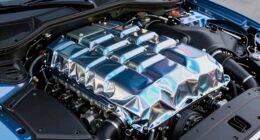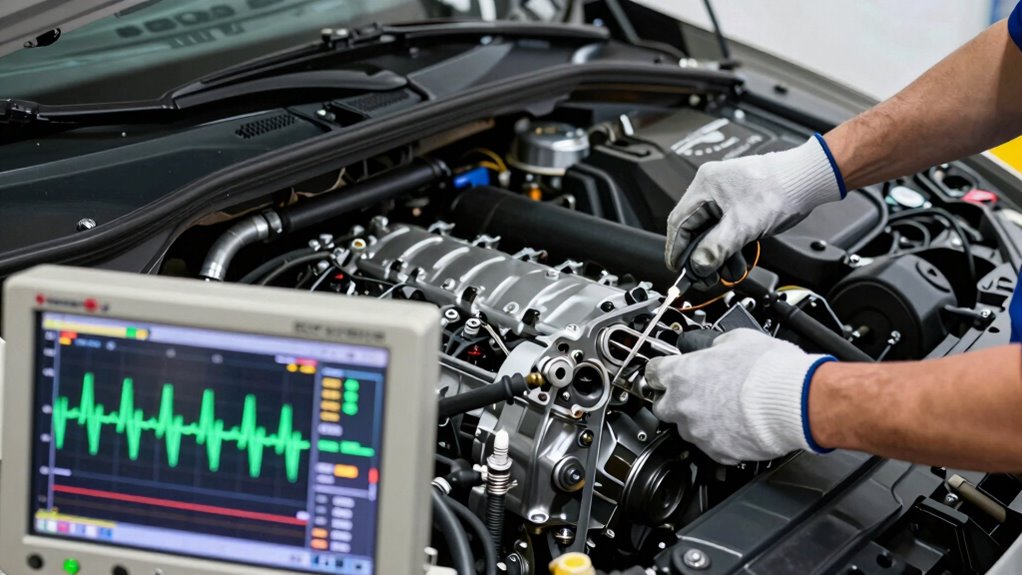

To separate engine noise from driveline sounds, focus on when and where the noise occurs. Engine noise usually comes from under the hood during idle or acceleration, and it’s often rhythmic or knocking. Driveline or transmission noise tends to originate beneath the vehicle and may be more noticeable during driving, especially in gear or under load. Pay attention to the pitch, pattern, and location of the sounds—keep listening, and you’ll gain clearer insights into their sources.

Get garage and car supplies delivered free — and shop member deals
- Fast, free delivery on millions of items
- Access to Prime Big Deal Days deals on October 6–7
- Prime Video, Amazon Music and more included
Key Takeaways
- Listen for consistent engine vibrations regardless of vehicle speed, indicating engine noise; driveline noise varies with acceleration or deceleration.
- Observe if the noise occurs mainly during idle or light throttle, which suggests engine issues; driveline noise often intensifies during turns or at specific speeds.
- Note the location of the sound: engine noise typically comes from under the hood, while driveline noise is felt or heard from under the vehicle or rear.
- Pay attention to noise changes: engine sounds remain steady, whereas driveline noises may fluctuate with gear shifts or torque application.
- Conduct simple inspections, like checking for leaks or damaged components, to help differentiate between engine and driveline sources.
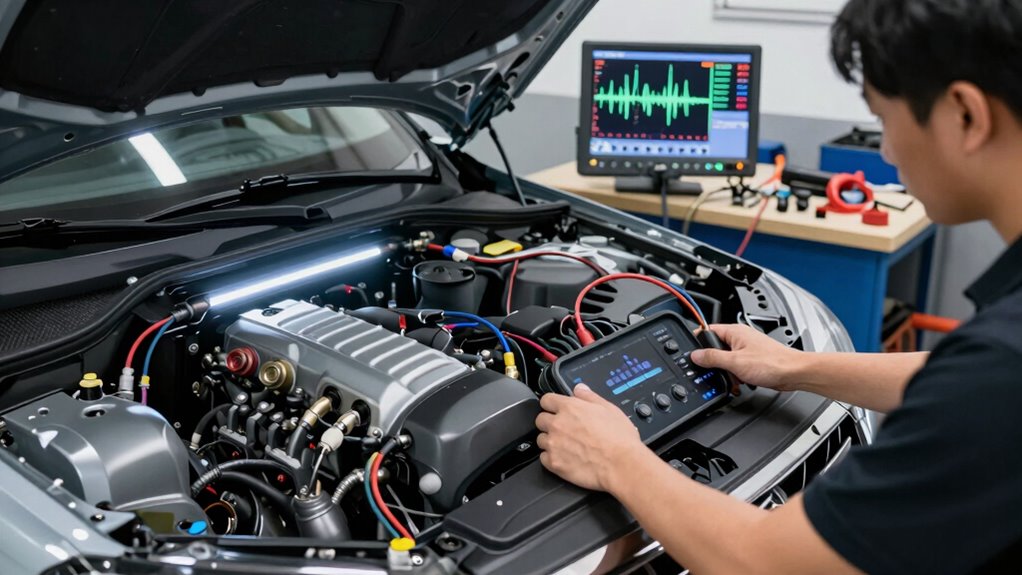
When diagnosing unusual noises in your vehicle, it’s essential to distinguish between engine noise and driveline noise, as each originates from different components and requires different solutions. Understanding the source of the sound helps you identify whether it’s linked to engine vibration or exhaust sound, or if it’s coming from the driveline. Engine noise often manifests as a rhythmic pounding or knocking, sometimes accompanied by a vibrating sensation through the steering wheel or seat. These vibrations are typically caused by engine misfires, worn engine mounts, or imbalance within the engine itself. In contrast, exhaust sounds tend to be a hissing, popping, or loud roaring noise, often more noticeable during acceleration or deceleration, and can sometimes be linked to leaks or damage in the exhaust system.
To tell if the noise is engine-related, listen closely when the vehicle is idling or under light throttle. If you notice a consistent vibration that resonates through the vehicle, it’s likely due to engine vibration. These vibrations may be more pronounced when the engine is cold and tend to diminish as it warms up, or they may worsen during acceleration if a piston or cylinder is misfiring. Additionally, pay attention to the exhaust sound. A deep, rumbling engine noise that increases with RPMs often indicates exhaust system issues, such as leaks or a damaged muffler. If the exhaust sound is louder than usual or has a peculiar tone, it’s a sign you should inspect the exhaust system.
Another way to differentiate is by observing when the noise occurs. Engine vibration and related noises are often constant, regardless of whether you’re accelerating or cruising at steady speed. On the other hand, exhaust sounds tend to change with engine load; they can become louder during acceleration or when climbing hills. You might also notice a change in the exhaust sound if there’s a hole or crack in the exhaust pipe, which allows exhaust gases to escape prematurely, producing a distinct hissing or crackling noise. Recognizing engine vibration as a common source of noise can help prioritize inspections and repairs effectively. You can also perform some simple checks to pinpoint the source. For example, with the engine off, try inspecting the exhaust system for visible damage or leaks. When the engine is running, listen carefully for location clues—if the noise seems to come from under the hood, it’s probably engine vibration, whereas if it seems to emanate from the rear or underneath the vehicle, it’s more likely exhaust-related. By paying attention to these details, you’ll better understand whether the unusual noise is linked to engine vibration or exhaust sound, leading you to the appropriate repair or maintenance steps.
As an affiliate, we earn on qualifying purchases.
Frequently Asked Questions
Can Engine Noise Affect Vehicle Fuel Efficiency?
Engine noise can impact your vehicle’s fuel efficiency because a louder or abnormal engine sound often indicates inefficiencies that lead to increased fuel consumption. When your engine struggles or runs poorly, it may burn more fuel and produce higher emissions. By maintaining your engine properly and addressing noise issues promptly, you can improve fuel consumption and reduce the emission impact, helping your vehicle run more smoothly and efficiently.
What Tools Are Best for Isolating Noise Sources?
Think of your car as a symphony, where each instrument (noise source) needs to be isolated. Use soundproofing techniques like acoustic mats and vibration dampers to tune out unwanted sounds. A stethoscope-like mechanic’s stethoscope helps locate specific noise origins. For precise separation, employ a chassis ear or accelerometers to pinpoint whether engine or driveline noise is to blame, allowing targeted soundproofing and vibration mitigation.
Does Tire Type Influence Driveline Noise?
Tire type definitely influences driveline noise. For example, tires with aggressive tread patterns tend to generate more road noise, which can be mistaken for driveline sounds. Additionally, proper tire pressure helps minimize vibrations and noise; underinflated tires can increase road contact and noise levels. Choosing tires with smoother tread and maintaining ideal pressure reduces unwanted noise, helping you better distinguish between engine, driveline, and tire-related sounds.
How Often Should I Inspect Engine Mounts for Noise Issues?
You should inspect your engine mounts for noise issues at least once a year or if you notice unusual engine vibrations or clunking sounds during acceleration or deceleration. Regular engine mount inspection helps with noise troubleshooting, preventing further damage. If you experience persistent engine noise or rough idling, it’s wise to check your mounts sooner. Addressing mount issues early keeps your engine running smoothly and reduces potential costly repairs.
Can Aftermarket Exhaust Systems Reduce Engine Noise?
It’s true that aftermarket exhaust systems can reduce engine noise, especially if you opt for muffler modifications designed to dampen sound. These upgrades often feature sound-absorbing materials or different muffler designs that soften the exhaust sound. By investing in a high-quality exhaust system, you can enjoy a deeper, more refined exhaust note while minimizing harsh engine noise, creating a more pleasant driving experience overall.
As an affiliate, we earn on qualifying purchases.
Conclusion
By understanding how to distinguish engine noise from driveline noise, you’re fundamentally tuning into the orchestra of your vehicle. Think of your car as a symphony—each sound a different instrument. When you identify which instrument is playing, you can address issues more effectively. With practice, you’ll become the conductor, seamlessly isolating the source of each noise, ensuring a smoother ride. Mastering this skill keeps your vehicle’s symphony harmonious and your drives frustration-free.
As an affiliate, we earn on qualifying purchases.
driveline noise troubleshooting kit
As an affiliate, we earn on qualifying purchases.
As an affiliate, we earn on qualifying purchases.
Halloween Picks
halloween
As an affiliate, we earn on qualifying purchases.