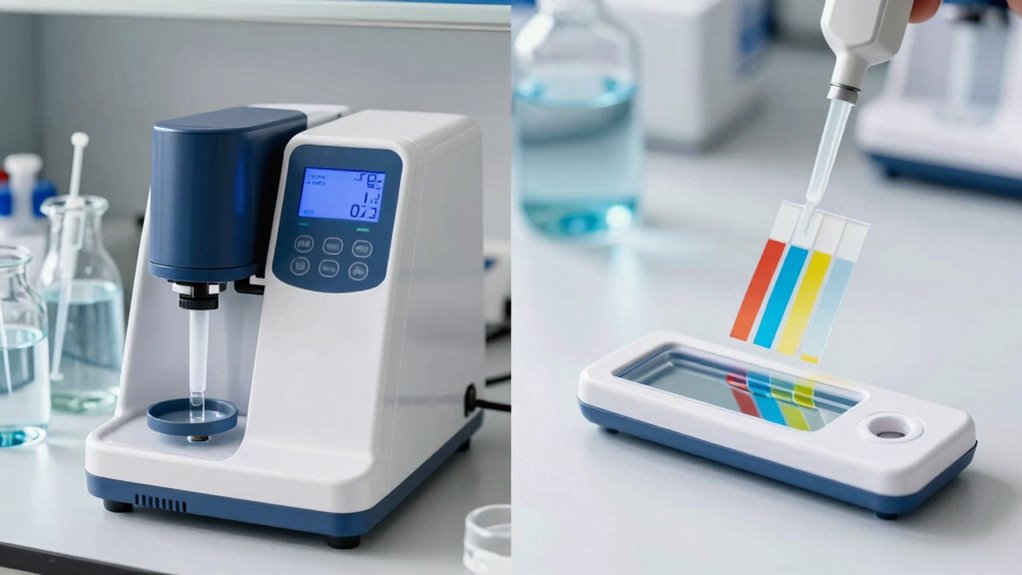
I’m exploring how water testing methods like Karl Fischer titration and screening tests differ to help you choose the best approach.
Browsing Category
Used Oil Analysis & Condition Monitoring
28 posts
Silicon Spikes in UOA: Sealant, Dirt, or Lab Noise?
Just understanding whether silicon spikes stem from sealant, dirt, or lab noise can be crucial for accurate UOA interpretation.
Copper in UOA: Break-In vs Real Damage
Inevitably, copper levels in UOA can indicate either break-in wear or real damage, but understanding the difference is crucial for proper engine health assessment.
Iron in UOA: When It’s Normal and When It’s Not
Proper iron levels in urinary organic acids reveal much about your health; discover what normal and abnormal results mean for you.
One UOA Sample Isn’t Proof: Here’s How Trends Work
Nothing beats tracking multiple UOA trends to truly understand your engine’s health and identify issues early; learn why.
Used Oil Analysis for Differentials: What You Can Actually Learn
The truth about used oil analysis for differentials reveals crucial insights that can prevent costly failures—discover what you can actually learn.
TAN vs TBN: What You Should Track in Gear Oils
Next, understanding TAN and TBN helps you optimize gear oil maintenance and prevent costly equipment failures—discover how to interpret these crucial measurements.
The Additive Carryover Problem That Ruins Comparisons
No one wants residual carryover errors to skew their data, but understanding how they impact comparisons is crucial for maintaining accuracy.