
To efficiently find hot spots in a gearbox within 10 minutes, start by preparing the environment—ensure stable temperature, clean the surface, and check your thermal camera settings. Carefully scan all sides of the gearbox, focusing on bearings and gears, while maintaining steady movement. Look for bright spots indicating excess heat, which can signal friction, misalignment, or lubrication issues. Want to learn how to interpret these signs and keep your gearboxes running smoothly? Keep exploring to discover more tips.
Key Takeaways
- Systematically scan all gearbox sides at recommended distances, focusing on bearings, gears, and couplings for hot spot detection.
- Ensure thermal camera is properly calibrated and settings are optimized before starting the quick 10-minute thermal inspection.
- Keep surfaces clean and environmental factors controlled to improve thermal image clarity and accuracy during the scan.
- Identify and analyze hot spots indicating friction, misalignment, or lubrication issues for early maintenance action.
- Record temperature readings over time to monitor trends and prevent unexpected gear or bearing failures.

TOPDON TC004 Mini Thermal Imaging Camera, 240 x 240 TISR Resolution
- Enhanced Thermal Resolution: 128×128 to 240×240 TISR technology
- Wide Field of View: 40°x30° with 25Hz refresh rate
- Smart Alerts and Photo Capture: Temperature alerts with automatic photo saving
As an affiliate, we earn on qualifying purchases.
As an affiliate, we earn on qualifying purchases.
How Thermal Imaging Finds Hot Spots in Gearboxes
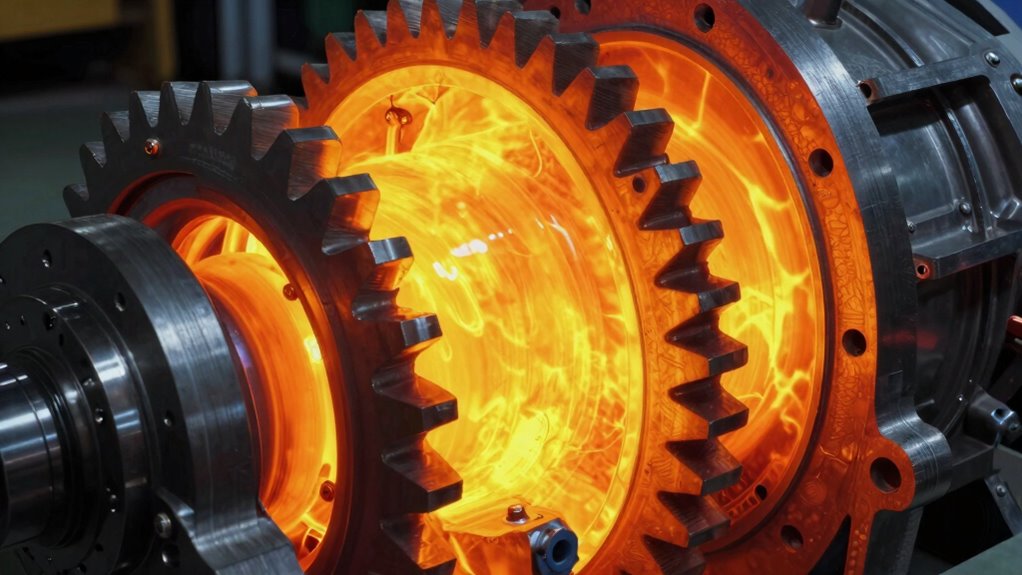
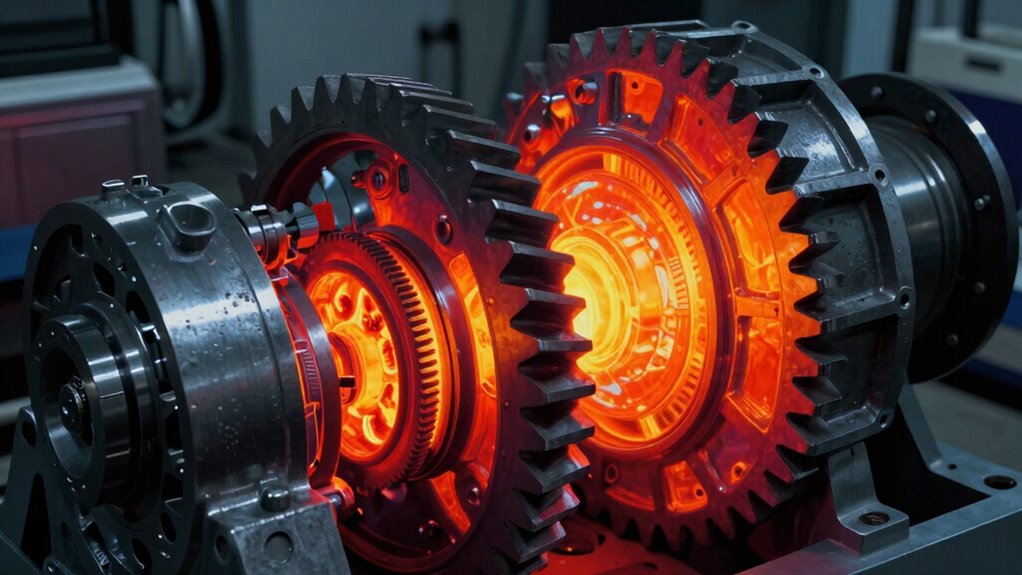
Thermal imaging detects hot spots in gearboxes by capturing infrared radiation emitted from their surfaces. When you perform gearbox maintenance, identifying areas of excessive heat is vital to prevent failure. Thermal imaging techniques allow you to quickly visualize temperature differences across the gearbox components. By scanning the surface, you can pinpoint abnormal heat concentrations that indicate potential issues like friction, misalignment, or worn bearings. This non-contact method provides real-time insights without disrupting operations. As you analyze thermal images, look for bright spots that stand out against cooler areas. Detecting these hot spots early helps you plan targeted repairs, extend equipment lifespan, and avoid costly downtime. Incorporating Thermal imaging into your maintenance routine enhances safety and efficiency. Understanding gearbox health is essential for effective diagnostics and preventative maintenance, ensuring optimal performance upgrades and reliability. Additionally, being aware of thermal patterns can help predict future failures before they occur. Recognizing early warning signs in thermal images further supports proactive maintenance strategies.
TOPDON TC004 Mini Thermal Imaging Camera, 240 x 240 TISR Resolution
- Enhanced Thermal Resolution: 128×128 to 240×240 TISR technology
- Wide Field of View: 40°x30° with 25Hz refresh rate
- Smart Alerts and Photo Capture: Temperature alerts with automatic photo saving
As an affiliate, we earn on qualifying purchases.
As an affiliate, we earn on qualifying purchases.
How to Prepare Your Gearbox and Environment for Thermal Inspection
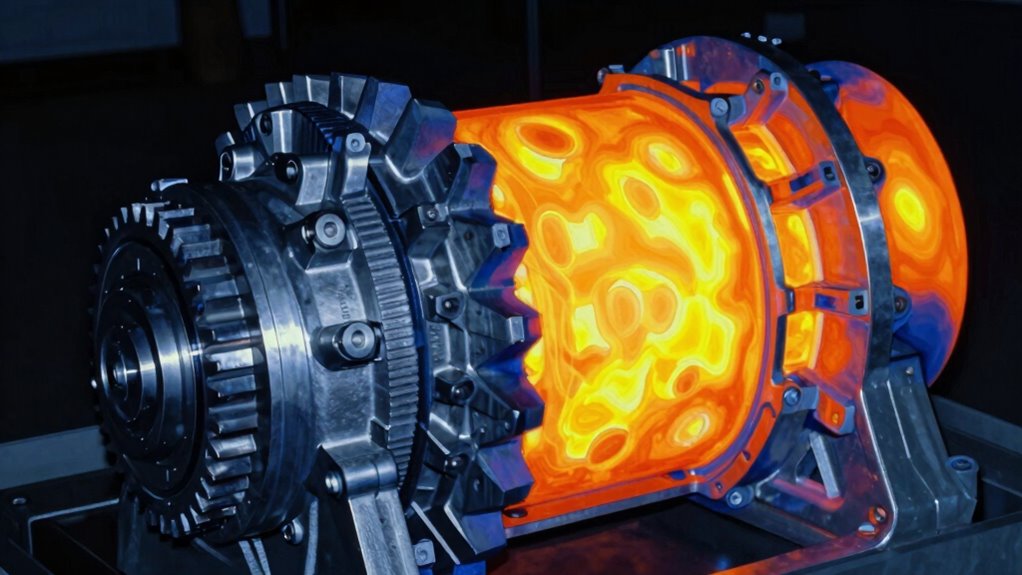
Before conducting a thermal inspection on your gearbox, it’s vital to verify the environment and equipment are properly prepared. Confirm the ambient temperature is stable, as fluctuations can affect thermal readings. Check lubricant viscosity; if it’s too thick or thin, it may misrepresent heat patterns. Clear the area of dust, grease, or obstructions that could obscure your view. Use the following table to guide your preparation:
| Step | Tip |
|---|---|
| Ambient Temperature | Keep it steady for accurate readings |
| Lubricant Viscosity | Confirm proper viscosity before inspection |
| Equipment Cleanliness | Remove dirt and debris from the gearbox surface |
| Lighting Conditions | Avoid glare or shadows during imaging |
| Environmental Factors | Minimize vibrations and airflow disruptions |
Proper prep guarantees reliable thermal data, making your inspection effective. Additionally, ensuring thermal conductivity is adequate helps in obtaining precise temperature readings. Using a thermal imaging camera with appropriate sensitivity can also enhance detection of hot spots, especially if the environment’s thermal background is well controlled. Maintaining a stable environmental conditions such as airflow and vibration levels further improves measurement accuracy. Being mindful of external influences like wind or nearby heat sources can also help in achieving more accurate thermal assessments.

H128 Handheld Thermal Camera, 240 x 240 TISR Resolution, 24h Battery Life Thermal Imaging Camera, 25 Hz Infrared Camera with Temperature Alarm, -4℉~ 842℉ Temp Range, IP65 Protection Level
- High-Resolution Thermal Imaging: 240×240 TISR resolution for clear images
- Long Battery Life: Up to 24 hours of continuous use
- Accurate Temperature Measurement: 0.1°C resolution with ±3% accuracy
As an affiliate, we earn on qualifying purchases.
As an affiliate, we earn on qualifying purchases.
How to Conduct a 10-Minute Thermal Scan of Your Gearbox
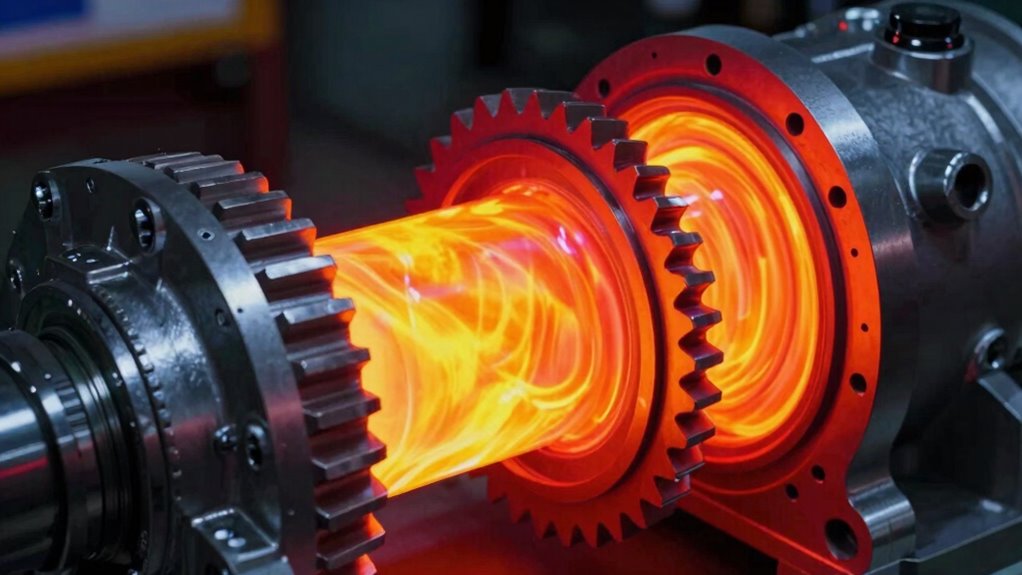
To effectively scan your gearbox in just 10 minutes, start by positioning your thermal imaging camera at the recommended distance, ensuring it’s focused and calibrated correctly. Proper thermal sensor calibration is essential for accurate readings, so double-check your camera’s settings before beginning. As you scan, look for uneven heat distribution that may indicate issues with gearbox lubrication or components running hotter than they should. Move steadily around the gearbox to get a detailed view of all sides, paying close attention to bearings, gears, and couplings. Keep the camera steady and avoid quick movements that can distort the thermal image. By maintaining proper focus and calibration, you’ll quickly identify potential hot spots, enabling prompt maintenance decisions. Additionally, understanding the contrast ratio can help you interpret the thermal images more effectively by distinguishing subtle temperature differences. Recognizing thermal patterns can further aid in diagnosing underlying mechanical problems before failure occurs. Incorporating thermal trend analysis over multiple scans can also reveal gradual changes that signal developing issues.

HF96 Thermal Camera with AI Scene Detection, Laser Pointer, -4°F~1022°F
- AI Scene Recognition: Automated water leak and insulation detection
- 3-in-1 Tool: Thermometer, thermal camera, laser pointer
- User-Friendly Controls: One-button operation for all functions
As an affiliate, we earn on qualifying purchases.
As an affiliate, we earn on qualifying purchases.
Interpreting Thermal Images: What Hot Spots Mean for Your Gearbox’s Health
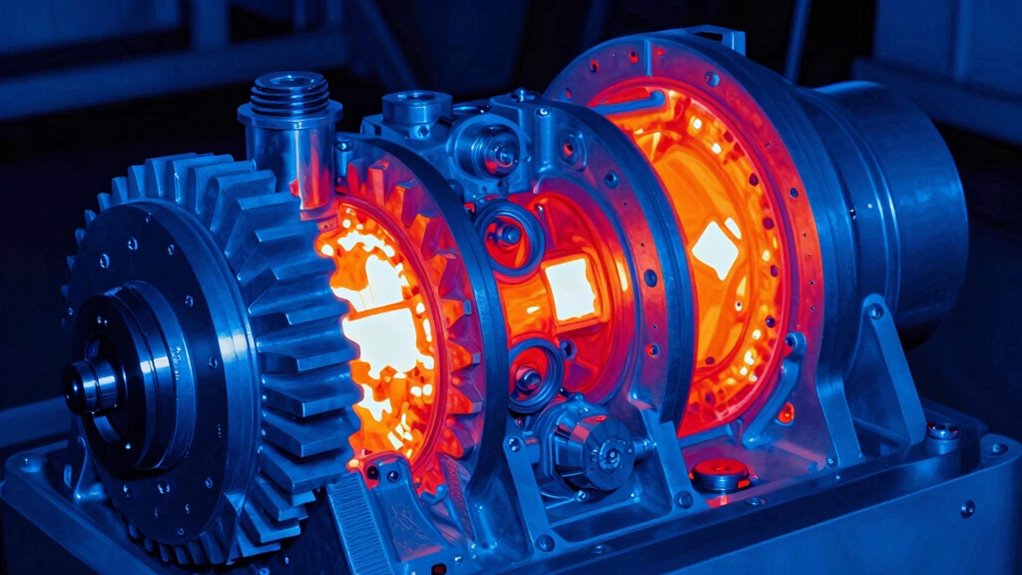
Hot spots in thermal images often signal underlying issues within your gearbox. These thermal anomalies can indicate areas of excessive friction, inadequate lubrication, or misalignment—potential precursors to gearbox failure. Recognizing what hot spots mean helps you prioritize maintenance before a costly breakdown.
- Elevated temperatures suggest increased wear or impending component failure
- Uneven heat distribution points to misalignment or imbalance
- Persistent hot spots may indicate lubrication problems
- Sudden temperature spikes could signal imminent gear or bearing failure
Interpreting these signs correctly allows you to address issues early, reducing downtime and repair costs. Remember, thermal anomalies aren’t just hot spots—they’re early warning signals for your gearbox’s health. Act promptly to prevent failure and extend your equipment’s lifespan.
Best Practices for Ongoing Thermal Monitoring and Preventing Failures
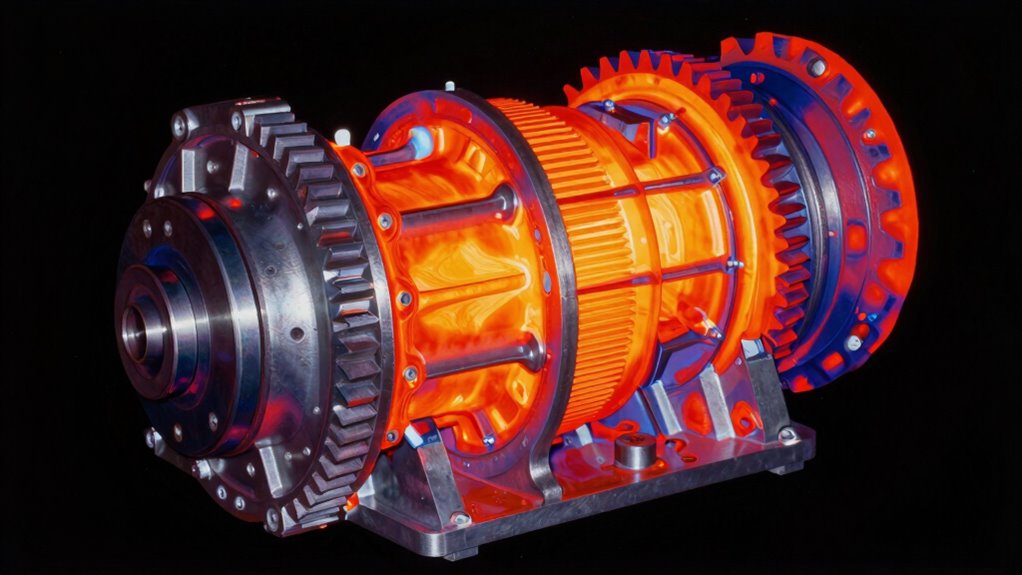
Regular thermal monitoring is essential for catching potential gearbox issues early and preventing costly failures. Implement a consistent schedule for thermal inspections, using infrared cameras to detect hot spots before they escalate. Incorporate thermal data into your predictive maintenance program, allowing you to identify trends and address problems proactively. Keep records of temperature readings over time to track the gearbox’s health and recognize early warning signs. Train maintenance staff to interpret thermal images accurately and respond swiftly to abnormal temperatures. By integrating thermal monitoring into your routine, you reduce unexpected failures and extend equipment lifespan. This proactive approach ensures that potential issues are addressed before they cause significant damage, ultimately enhancing failure prevention and optimizing operational efficiency.
Frequently Asked Questions
How Often Should Thermal Inspections Be Scheduled for Optimal Gearbox Health?
You should schedule thermal inspections for your gearbox every three to six months, depending on its operating conditions and criticality. Regular inspection frequency helps you catch hot spots early and prevent costly failures. Incorporate thermal imaging into your maintenance scheduling to guarantee consistent monitoring. By doing so, you maintain ideal gearbox health, extend equipment life, and avoid unexpected downtime, keeping your operations running smoothly and efficiently.
What Are Common False Positives in Thermal Imaging of Gearboxes?
Did you know that false positives occur in up to 30% of thermal imaging inspections? When inspecting gearboxes, common false alarms stem from uncalibrated sensors or environmental factors like ambient temperature changes. To reduce these, guarantee proper sensor calibration and use false alarm mitigation techniques such as consistent inspection conditions. This way, you’ll confidently identify genuine hot spots without chasing false alarms, improving your maintenance accuracy and gearbox reliability.
Can Thermal Imaging Detect Early-Stage Gearbox Failures?
Yes, thermal imaging can detect early-stage gearbox failures by identifying subtle temperature anomalies before they become critical. This early detection helps you prevent failures, saving time and costs. By regularly monitoring hot spots, you can catch issues early, allowing maintenance teams to address problems proactively. Incorporating thermal imaging into your routine enhances failure prevention efforts, ensuring your gearboxes operate reliably and efficiently over the long term.
How Do Ambient Temperature Changes Affect Thermal Imaging Accuracy?
Ambient fluctuations can influence thermal imaging accuracy, making it harder to identify true hot spots. To counter this, you should use temperature compensation features on your thermal camera, which adjust readings based on ambient temperature changes. This ensures your measurements remain precise despite environmental shifts. Regularly calibrate your equipment and be aware of the surroundings to maintain reliable thermal inspections of gearboxes.
What Training Is Recommended for Operators Performing Thermal Inspections?
To master thermal inspections, you should undergo thorough training that emphasizes operator safety and calibration procedures. Start with specialized courses that teach you how to interpret thermal images accurately, recognize potential hazards, and handle equipment safely. Practice regularly to improve precision and confidence. Proper training guarantees you operate the thermal camera effectively, minimizes risks, and delivers reliable results, ultimately safeguarding both your team and your equipment during inspections.
Conclusion
By mastering this quick 10-minute thermal scan, you can spot hot spots before they turn into catastrophic failures. Think of it as your secret weapon against unexpected gearbox breakdowns—saving you time, money, and headaches. Regular inspections keep your machinery running like a well-oiled machine, preventing disasters that could cause chaos in your operations. Embrace thermal imaging as your trusty shield—because no one wants their equipment to fail at the worst possible moment!