
Scoring and polishing serve different surface purposes: scoring creates textured grooves to prepare surfaces for bonding, shaping, or highlighting imperfections, while polishing smooths and shines surfaces for better appearance and protection. Scoring is quick and controlled, focusing on texture; polishing takes patience, removing scratches for a sleek finish. Understanding these differences helps you choose the right method for your project. Keep going to discover how these techniques can enhance your work even further.

Get business pricing on garage and car supplies
- Business-only prices and quantity discounts
- Tax-exempt purchasing
- Multiple users, one account, clear invoices
Key Takeaways
- Scoring creates textured grooves for bonding or shaping, while polishing smooths surfaces for shine and refinement.
- Scoring is a quick, controlled process to establish a starting point; polishing is gradual and aimed at surface perfection.
- Use scoring to prepare surfaces; use polishing for final aesthetic enhancement and surface protection.
- Scoring emphasizes texture and control; polishing focuses on achieving a smooth, reflective finish.
- Both techniques are essential for different stages of surface treatment—scoring for shaping, polishing for finishing.
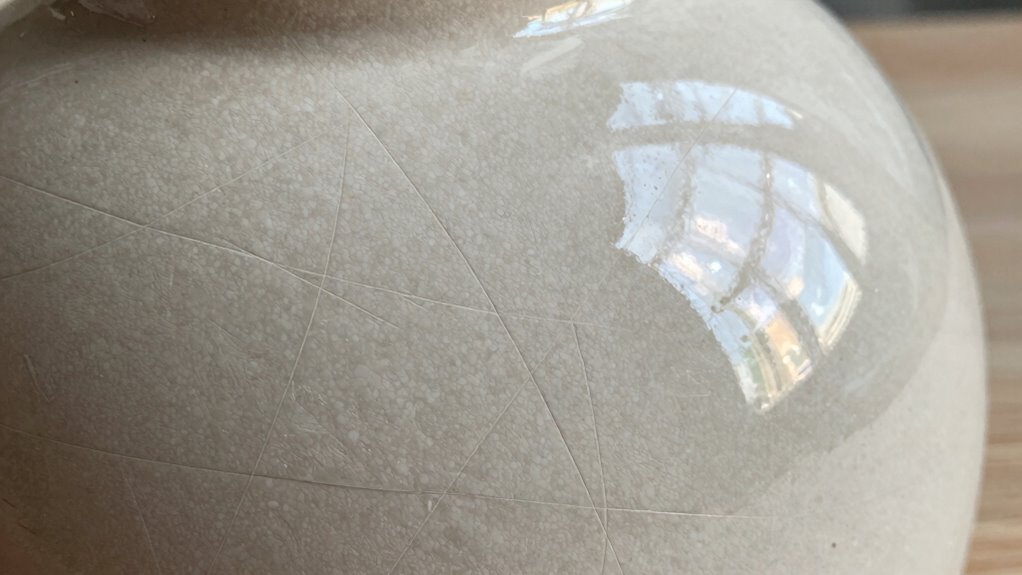
When it comes to improving the surface quality of materials, understanding the difference between scoring and polishing is essential. These two techniques serve distinct purposes in the realm of surface preparation, each influencing the final appearance and functionality of your material in different ways. Knowing when and how to apply each method helps you achieve the desired outcome, whether that’s a smoother finish, better aesthetics, or improved performance.
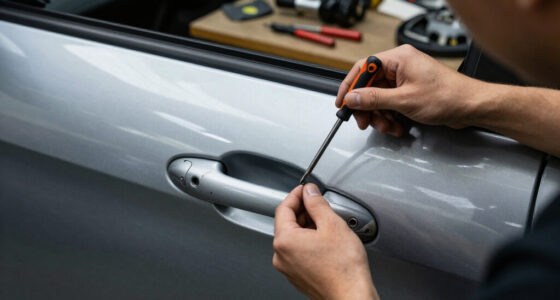
Scoring is typically the first step in surface preparation. It involves creating shallow cuts or grooves on the material’s surface, often using a sharp blade, a scoring wheel, or a specialized tool. The primary goal here is to prepare the surface for subsequent processes, such as bonding, shaping, or removing larger imperfections. When you score a surface, you’re not aiming for a perfectly smooth finish but rather establishing a controlled starting point. This process can also contribute to aesthetic enhancement by providing texture or patterning, especially in decorative applications. For example, scoring ceramic tiles before glazing ensures better adhesion and adds visual interest. In woodworking, scoring can prevent chipping when making cuts or creating intricate inlays. Essentially, scoring is about precision and control—it’s a deliberate, purposeful action that sets the stage for further refinement.
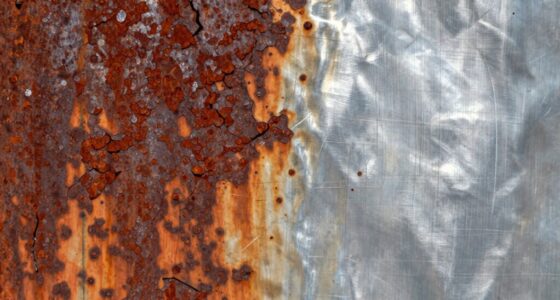
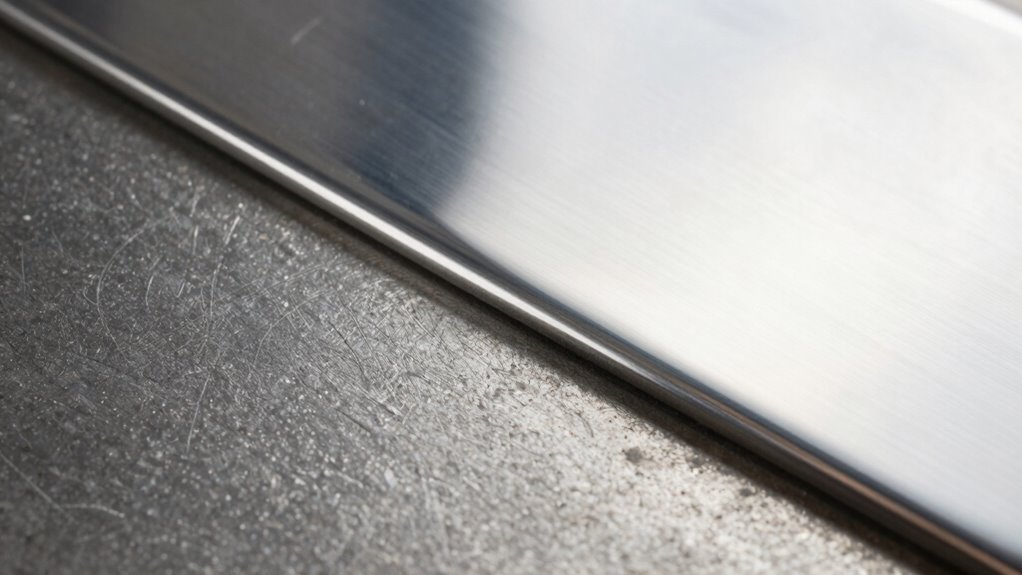
Polishing, on the other hand, is the process of refining a surface until it becomes smooth, shiny, and visually appealing. Unlike scoring, which introduces texture, polishing removes surface imperfections, scratches, and unevenness. It often involves using abrasive compounds, polishing pads, or polishing wheels that progressively eliminate roughness. When you polish a surface, you’re aiming for aesthetic enhancement—making it look polished, professional, and attractive. This step can dramatically improve the visual appeal of materials like metal, stone, or plastics, giving them a reflective, mirror-like finish. Proper polishing not only enhances appearance but can also protect surfaces from corrosion or wear, extending their lifespan. The key to effective polishing is patience and selecting the right abrasive materials to achieve the desired level of smoothness without damaging the surface.
Understanding the distinction between scoring and polishing helps you plan your project more effectively. If you’re working on a piece that requires precise shaping or preparing a surface for further treatment, scoring is your go-to. If your goal is to achieve a sleek, attractive finish, polishing is the final step. Both techniques play a vital role in surface enhancement, but they serve different purposes in the journey toward a high-quality, visually appealing product. Mastering when to score and when to polish ensures you get the best results, whether you’re working on crafts, repairs, or large-scale projects.
As an affiliate, we earn on qualifying purchases.
Frequently Asked Questions
How Do Scoring and Polishing Affect the Longevity of a Surface?
Scoring and polishing influence your surface’s longevity by affecting surface durability and maintenance impact. Scoring creates tiny grooves that can trap dirt, potentially weakening the surface over time if not cleaned properly. Polishing smooths the surface, enhancing its durability and making it easier to maintain. Regular polishing reduces wear and tear, extending the surface’s lifespan. Proper maintenance guarantees both processes preserve your surface’s appearance and structural integrity.
Can Scoring or Polishing Be Reversed or Corrected Later?
Yes, you can reverse or correct scoring and polishing through various restoration techniques. Surface modification methods like re-polishing, re-surfacing, or adding protective coatings can restore the surface’s original appearance. These techniques help eliminate unsightly marks or uneven finishes, ensuring the surface looks smooth and well-maintained. Keep in mind, the effectiveness depends on the material and extent of the previous surface change, so consulting a professional is recommended.
What Materials Are Best Suited for Scoring Versus Polishing?
You should choose materials based on their compatibility with your surface and the specific application techniques. For scoring, use materials like carbide or diamond-tipped tools that cut precisely without damaging the substrate. For polishing, opt for fine abrasives or polishing compounds suited to your material, such as diamond paste for hard surfaces or aluminum oxide for softer ones. Always match your materials to your surface type for ideal results.
Are There Safety Risks Associated With Scoring or Polishing?
Did you know improper equipment safety practices can cause injuries in 30% of scoring or polishing accidents? You should be aware that both processes carry risks like chemical exposure from polishing compounds or equipment malfunctions during scoring. Always wear proper protective gear, handle chemicals carefully, and make sure your tools are well-maintained. Staying vigilant about equipment safety minimizes hazards and keeps you safe while achieving the best results.
How Do Cost and Time Compare Between Scoring and Polishing Processes?
You’ll find that scoring generally costs less and takes less time than polishing. The cost comparison shows scoring involves fewer materials and equipment, making it more budget-friendly. Additionally, scoring is quicker because it requires minimal setup and fewer steps. Polishing, on the other hand, demands more time for thorough finishing and often higher expenses due to specialized equipment and materials. Overall, scoring offers better time efficiency and cost savings.
As an affiliate, we earn on qualifying purchases.
Conclusion
So, now you see how scoring and polishing each tell a different story about surface changes. But which one truly reveals the deeper mystery? The decision isn’t just about surface appearance — it’s about uncovering what lies beneath. Will your next choice bring clarity or concealment? One step could change everything. The surface might look the same, but what’s hidden could surprise you. Are you ready to find out what’s really beneath?
As an affiliate, we earn on qualifying purchases.
As an affiliate, we earn on qualifying purchases.
Fall Picks
fall essentials
As an affiliate, we earn on qualifying purchases.