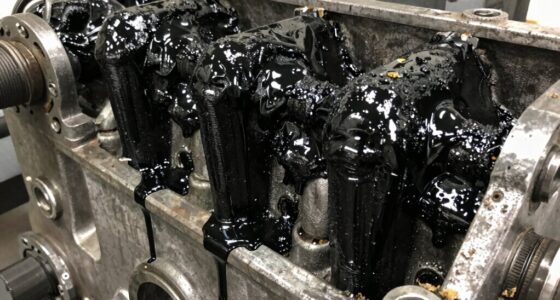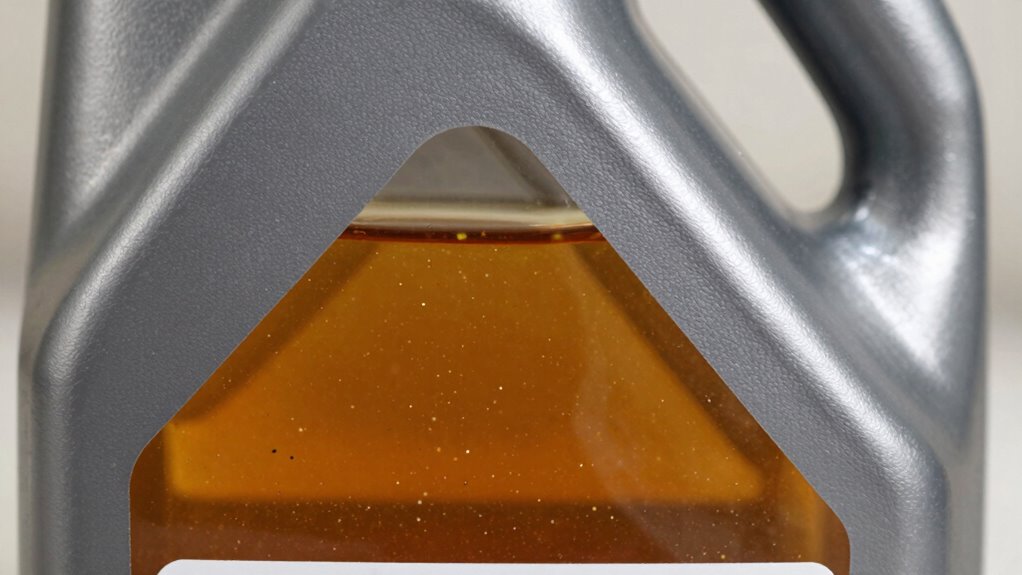

Ester content in gear oils can boost lubrication, reduce friction and wear, and improve temperature stability, keeping your gear system protected under demanding conditions. It also helps maintain consistent viscosity and enhances oxidation stability, extending the gear’s lifespan. However, high ester levels don’t automatically guarantee better performance in all situations or eliminate maintenance needs. To understand how ester content impacts your gear oil choice, explore the details further.

Get business pricing on garage and car supplies
- Business-only prices and quantity discounts
- Tax-exempt purchasing
- Multiple users, one account, clear invoices
Key Takeaways
- Higher ester content enhances lubrication, reduces wear, and improves film strength for better gear protection.
- It stabilizes viscosity across temperature ranges, ensuring consistent performance in extreme conditions.
- Increased ester levels boost oxidation stability but do not eliminate the need for regular maintenance.
- Compatibility issues may arise with seals or materials, and higher costs can impact overall value.
- Ester content alone cannot address all gear system issues; proper maintenance remains essential.

Ester content in gear oils plays a essential role in ensuring ideal lubrication and protection for gear systems. When you choose a gear oil with a higher ester content, you’re often selecting a formulation that includes synthetic additives designed to enhance performance. These esters act as powerful lubricants, reducing friction and wear, especially under extreme temperatures. They also help maintain consistent gear oil viscosity, which is indispensable for ensuring smooth operation across various operating conditions. The presence of esters can improve the oil’s film strength, providing a durable barrier between moving parts, and reducing the risk of metal-to-metal contact. This means your gears experience less stress and longer service life. Additionally, ester-based oils can enhance the oxidation stability, helping to prevent oil degradation over time.
However, it’s important to understand that ester content isn’t a silver bullet. While it can dramatically improve lubrication, it doesn’t automatically mean the gear oil will outperform others in every aspect. For instance, high ester content can sometimes lead to increased oxidation stability, but it doesn’t eliminate the need for regular oil changes or monitoring for contamination. Additionally, the synthetic additives in ester-rich oils can influence gear oil viscosity, making it more stable over a wide temperature range. This stability guarantees your gear system doesn’t experience sudden changes in flow characteristics, which could lead to inadequate lubrication or increased energy consumption.
Despite these benefits, ester content isn’t a cure-all. It can be more expensive than conventional mineral oils, and in some cases, compatibility issues may arise with certain seals or materials in your gear system. Plus, if your operating environment doesn’t involve extreme conditions, the advantages of high ester content may not justify the added cost. You need to consider your specific application and operating conditions when choosing a gear oil.
gear oil with high ester content
As an affiliate, we earn on qualifying purchases.
As an affiliate, we earn on qualifying purchases.
Frequently Asked Questions
How Does Ester Content Affect Gear Oil Lifespan?
Higher ester content in gear oil can extend its lifespan by improving oxidation stability and viscosity control. You’ll notice it resists breakdown better under high temperatures, preventing sludge and deposits. This means your gear oil stays effective longer, reducing the need for frequent changes. However, too much ester can increase cost and affect compatibility. So, balanced ester levels help optimize gear oil performance without compromising durability.
Can High Ester Levels Cause Gear Material Compatibility Issues?
High ester levels can cause material compatibility issues if the ester degrades over time, potentially leading to seal swelling or hardening. You need to monitor ester degradation carefully, as it may affect rubber or plastic components in your gear system. While esters offer excellent lubricity, excessive amounts might compromise certain materials. Regularly check for signs of compatibility issues, and choose gear oils with appropriate ester content for your application.
What Is the Optimal Ester Concentration for Extreme Conditions?
In extreme conditions, you should aim for an ester concentration around 10-15%, as this boosts ester stability and enhances oxidation resistance. Did you know that oils with this level of ester content can withstand temperatures up to 200°C without breaking down? This ideal range balances improved lubrication with minimizing compatibility issues, ensuring your gear system stays protected and efficient under demanding environments.
Are There Environmental Benefits to Using Ester-Based Gear Oils?
Using ester-based gear oils offers environmental benefits like biodegradability benefits, making them more eco-friendly. They break down faster in the environment, reducing long-term pollution. Plus, ester oils often contain eco friendly additives that further minimize ecological impact. By choosing ester gear oils, you support sustainable practices and help protect ecosystems, especially in sensitive areas where oil spills could cause significant harm.
How Does Ester Content Influence Gear Oil Maintenance Intervals?
Ester content directly impacts your gear oil maintenance intervals by enhancing lubrication longevity. Higher ester levels promote better additive interactions, reducing wear and tear, and stabilizing viscosity effects. This means fewer oil changes and extended intervals between maintenance. You’ll notice smoother operation and prolonged equipment life, as the esters improve film strength and thermal stability. Keep in mind, though, that excessive ester content can also cause over-lubrication, so balance is key.
synthetic gear oil for extreme temperatures
As an affiliate, we earn on qualifying purchases.
As an affiliate, we earn on qualifying purchases.
Conclusion
So, adding ester to your gear oil isn’t a magic wand—it won’t turn your gearbox into a turbocharged beast overnight. But it can dramatically boost lubrication, reduce wear, and extend your gear’s lifespan like nothing else. Think of ester as your gear’s secret superhero sidekick, fighting off the villainous effects of heat and friction. Remember, while it’s powerful, it’s not invincible—your maintenance and care still hold the real key to ultimate gear performance.
gear oil additive for oxidation stability
As an affiliate, we earn on qualifying purchases.
As an affiliate, we earn on qualifying purchases.
As an affiliate, we earn on qualifying purchases.
Fall Picks
fall essentials
As an affiliate, we earn on qualifying purchases.