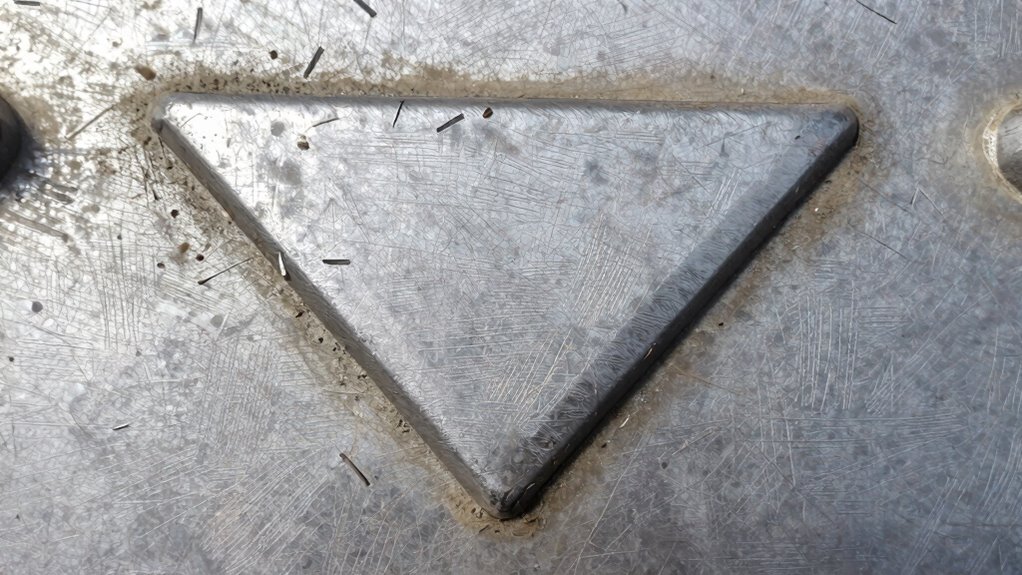

The abrasive wear triangle—dirt, load, and time—explains how surface degradation happens under tough conditions. When there’s dirt or debris, it acts like tiny abrasives that scratch and gouge surfaces. Increased load pushes these particles harder into the material, accelerating damage. Over time, extended exposure causes cumulative wear, weakening the surface further. Understanding how these three factors interact helps you predict and improve material durability, and exploring further shows you how to better manage wear in various applications.

Get business pricing on garage and car supplies
- Business-only prices and quantity discounts
- Tax-exempt purchasing
- Multiple users, one account, clear invoices
Key Takeaways
- The abrasive wear triangle comprises dirt, load, and time, which collectively influence surface wear mechanisms.
- Increased load accelerates abrasive wear by forcing particles into the material, causing more damage.
- Longer exposure to abrasive conditions leads to cumulative surface degradation and material removal.
- Dirt or abrasive particles interact with surfaces through mechanisms like micro-cutting, plowing, and adhesion.
- Managing these three factors is essential for designing durable surfaces and minimizing abrasive wear.
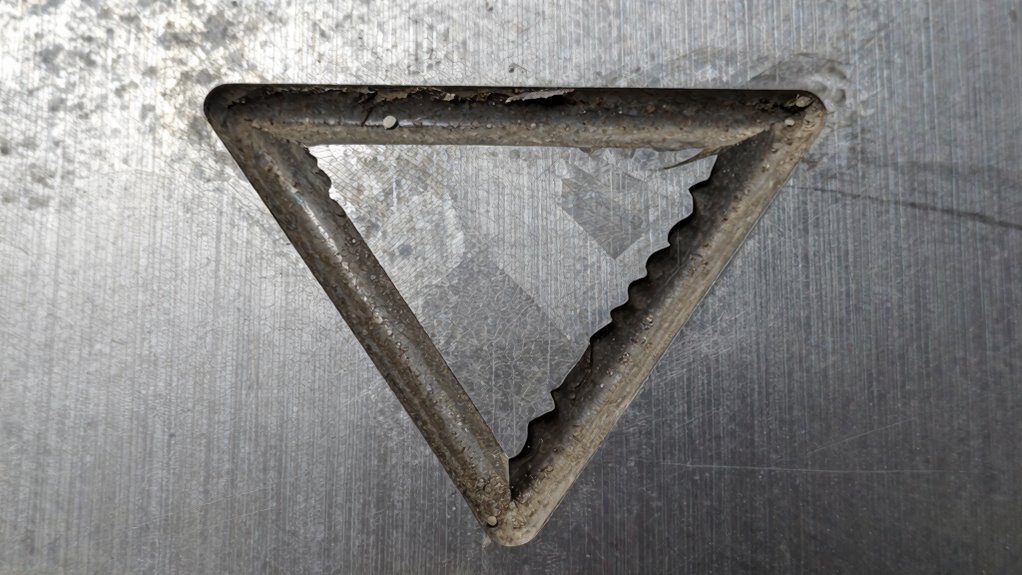
Have you ever wondered why certain surfaces wear out more quickly than others? It all comes down to the interplay of dirt, load, and time—what’s known as the abrasive wear triangle. At the core of this phenomenon is material hardness, which directly influences how surfaces respond to abrasive forces. When two materials come into contact, the harder one tends to resist wear better, but if the softer material is subjected to enough abrasive particles, wear mechanisms can still cause significant damage over time. The wear process is driven by these mechanisms, such as micro-cutting, plowing, and adhesion, which determine how material is removed from a surface.
Material hardness acts as a barrier against abrasive wear. Think of it as the strength of the surface’s armor. When the surface material is harder, it resists deformation and material removal more effectively. Conversely, softer materials are more prone to wear because abrasive particles can easily scratch, gouge, or plow through them. However, hardness isn’t the only factor at play; the nature of the wear mechanisms also matters. For example, micro-cutting involves small particles slicing into the surface, while plowing pushes material aside, creating grooves. These mechanisms depend heavily on the characteristics of the abrasive particles—such as their size, shape, and hardness—and how they interact with the material.
Understanding the wear mechanisms can help in designing more durable surfaces and selecting appropriate materials for specific applications.
As you increase the load on a surface, the wear accelerates. Higher loads mean more force pressing abrasive particles into the material, intensifying wear mechanisms. This escalates the rate at which material is removed, especially if the load surpasses the material’s ability to absorb or distribute stress. Over time, this process compounds, leading to pronounced surface degradation. Time itself is a critical element—longer exposure to abrasive conditions results in more extensive wear. Even surfaces with high material hardness will eventually succumb if subjected to persistent abrasive forces over extended periods. The cumulative effect of dirt, load, and time creates a predictable pattern: the longer and harder the abrasive forces act, the more significant the wear.
abrasive wear resistant surface coatings
As an affiliate, we earn on qualifying purchases.
As an affiliate, we earn on qualifying purchases.
Frequently Asked Questions
How Can Abrasive Wear Be Minimized in Industrial Applications?
To minimize abrasive wear in industrial applications, you should implement effective lubrication techniques to reduce friction and protect surfaces. Regular maintenance strategies, like inspecting equipment and replacing worn parts promptly, also help prevent excessive wear. Keep dirt and debris away from moving parts and ensure proper load management. By combining these approaches, you can extend equipment lifespan, improve efficiency, and reduce costly downtime caused by abrasive wear.
What Materials Are Most Resistant to Abrasive Wear?
You should select materials with high material hardness, as they resist abrasive wear better. Wear resistant coatings, like tungsten carbide or ceramic layers, also enhance durability by protecting surfaces from abrasive particles. These options help you extend equipment lifespan and reduce maintenance costs. Prioritizing hard, coated materials ensures your industrial components withstand harsh conditions and minimize abrasive wear effectively.
How Does Environmental Humidity Affect Abrasive Wear?
Did you know that high humidity levels can increase abrasive wear by up to 50%? Humidity effects accelerate corrosion interactions, weakening material surfaces and making them more susceptible to abrasion. Moist environments promote rust, which chips away at protective layers and enhances abrasive action. By controlling humidity, you reduce corrosion interactions, preserving equipment and extending its lifespan. Keep environments dry to minimize abrasive wear caused by moisture-induced corrosion.
Can Surface Treatments Significantly Reduce Abrasive Wear?
Yes, surface treatments can markedly reduce abrasive wear. Coating effectiveness depends on choosing materials that resist abrasion and lower surface roughness, which minimizes dirt retention and material removal. By applying durable coatings, you create a protective barrier that decreases the rate of wear even under harsh conditions. Proper surface treatments help maintain smoother surfaces over time, ensuring longer-lasting components and reducing maintenance costs.
What Are the Economic Impacts of Abrasive Wear on Machinery?
You see your machinery chipping away like a worn-out tool, costing you more over time. Abrasive wear impacts your bottom line through increased repair costs, frequent maintenance, and downtime. Conducting thorough cost analysis helps you identify expenses, while optimized maintenance scheduling prevents unexpected breakdowns. By addressing abrasive wear early, you save money, prolong equipment life, and maintain operational efficiency—keeping your business running smoothly without unnecessary financial strain.
high hardness industrial wear plates
As an affiliate, we earn on qualifying purchases.
As an affiliate, we earn on qualifying purchases.
Conclusion
Remember, understanding the abrasive wear triangle—dirt, load, and time—helps you prevent premature wear. For example, in a mining operation, regularly cleaning equipment and controlling load minimized abrasive damage, extending part lifespan. By actively managing these factors, you can reduce maintenance costs and improve efficiency. Keep an eye on how dirt accumulation, stress levels, and usage duration interact, and you’ll stay ahead of costly wear and tear. Stay proactive, and your equipment will thank you.
abrasive resistant grinding wheels
As an affiliate, we earn on qualifying purchases.
As an affiliate, we earn on qualifying purchases.
wear testing machine for materials
As an affiliate, we earn on qualifying purchases.
As an affiliate, we earn on qualifying purchases.
Fall Picks
fall essentials
As an affiliate, we earn on qualifying purchases.