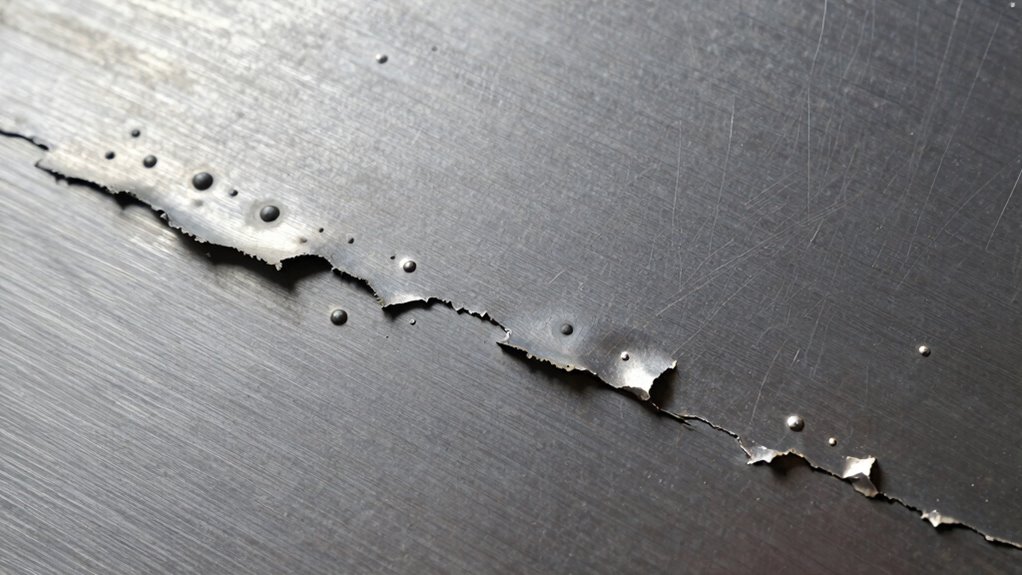
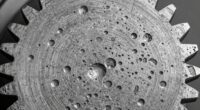
Pitting, spalling, and scuffing are common wear issues that often get mixed up. Pitting shows up as small crater-like holes caused by surface fatigue, while spalling involves larger flakes or chips due to microcrack growth and fatigue. Scuffing results from adhesive wear, leaving polished or scored surfaces from high friction or poor lubrication. Understanding these differences can help you identify damage early—continue exploring to learn how to prevent and address each type effectively.
Key Takeaways
- Pitting involves small crater-like holes from surface fatigue, while spalling refers to larger flaky or chipped surface fragments.
- Scuffing is characterized by severe surface roughness and material transfer caused by adhesive wear during sliding contact.
- Pitting results from cyclic stress and lubrication failure, whereas spalling accelerates with surface cracks and debris; scuffing occurs under high load and poor lubrication.
- Pitting appears as localized, crater-like damage; spalling involves larger surface fragments; scuffing shows polished or scored surfaces with scoring marks.
- Recognizing signs like surface craters, flaky fragments, or glazed surfaces helps differentiate between pitting, spalling, and scuffing in machinery.
10X LED Lighted Pocket Optical Comparator Set
Crystal clear view of reticle graduations
As an affiliate, we earn on qualifying purchases.
As an affiliate, we earn on qualifying purchases.
What Are Pitting, Spalling, and Scuffing? An Introduction

Understanding the differences between pitting, spalling, and scuffing is essential because these terms often get used interchangeably, even though they describe distinct types of surface damage in mechanical components. Pitting occurs when material fatigue leads to small, crater-like holes on the surface, often caused by repeated stress or lubrication failure. Spalling involves larger fragments breaking away from the surface, usually due to deeper material fatigue and high stress concentrations. Scuffing, on the other hand, results from adhesive wear where surfaces slide against each other with inadequate lubrication, causing surface roughness and damage. Recognizing these differences helps diagnose issues accurately and implement effective maintenance strategies, reducing downtime and prolonging the lifespan of machinery. Additionally, understanding wear mechanisms can aid in selecting appropriate materials and surface treatments to prevent such damage.

Engine Crack Detection Kit
Crack Detection for Aluminum cylinder heads
As an affiliate, we earn on qualifying purchases.
As an affiliate, we earn on qualifying purchases.
How Does Pitting Develop and How Can You Recognize It?
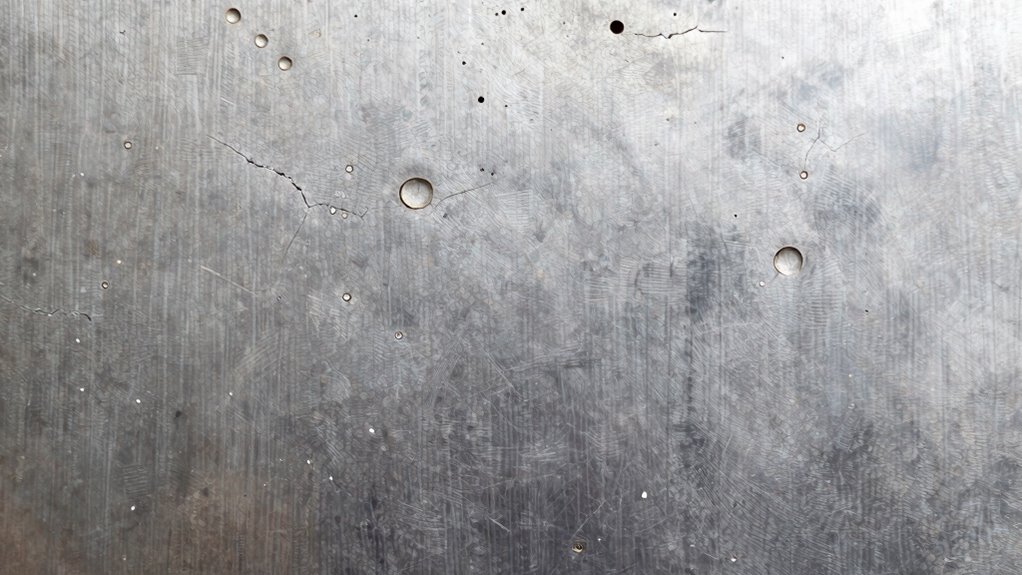
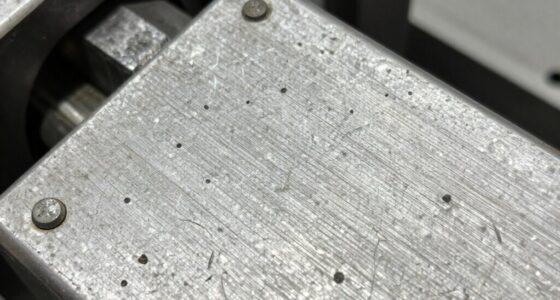
Pitting develops when repeated stress or fatigue causes small, crater-like holes to form on a surface. This process, known as pitting formation, results from surface fatigue weakening the material over time. You can recognize pitting by inspecting for tiny, round depressions that appear randomly across the surface. These pits often grow larger if the damage continues unchecked. Look for signs like surface roughness or irregularities that indicate localized material loss.
| Pitting Formation | Surface Fatigue |
|---|---|
| Small holes appear | Repeated stress weakens surface |
| Crater-like | Material loses integrity |
| Random distribution | Progressive damage occurs |
| Causes localized damage | Leads to larger pits |
| Often unseen until advanced | Common in bearing surfaces |

Grease Lubrication in Rolling Bearings (Tribology in Practice Series)
As an affiliate, we earn on qualifying purchases.
As an affiliate, we earn on qualifying purchases.
What Causes Spalling and How to Spot It?
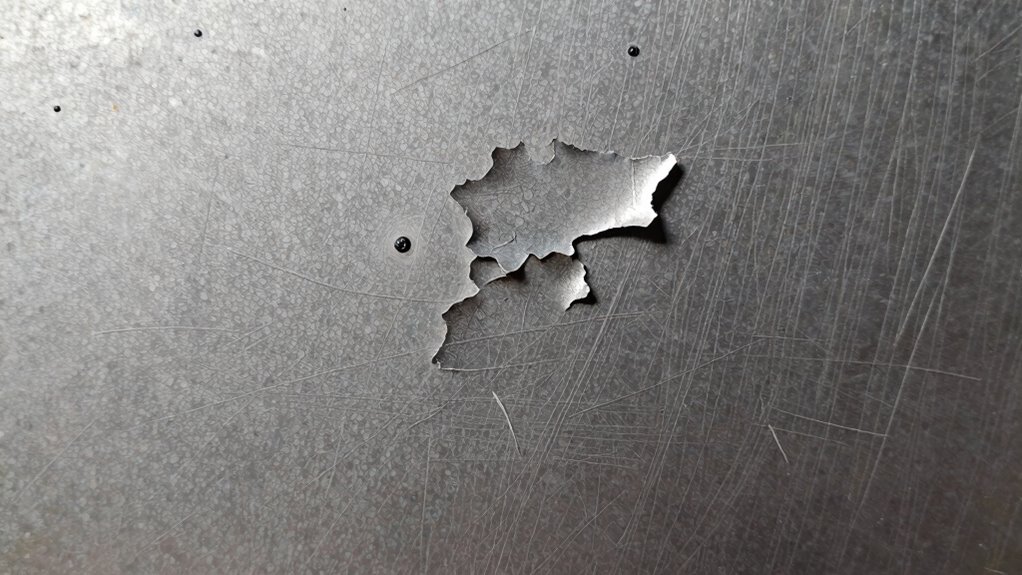
Spalling occurs when surface layers of a material break away under stress, often forming flakes or chips that can weaken the component. This damage results from material fatigue, where repeated stress causes microcracks to develop beneath the surface. Over time, these cracks grow, weakening the material’s integrity. Surface contamination, like dirt or debris, can accelerate spalling by creating uneven stress concentrations and trapping moisture, which worsens fatigue. You’ll notice spalling by the presence of flaky or chipped areas on the surface, often accompanied by a rough or uneven appearance. It’s vital to regularly inspect machinery for these signs, especially in high-stress environments, to prevent further damage. Spotting early spalling helps you address underlying issues before costly failures occur. Additionally, understanding material properties can help identify which surfaces are more prone to spalling under specific conditions. Recognizing stress concentration points can further aid in predicting and preventing spalling failure, especially when combined with knowledge of wear mechanisms. Being aware of fatigue life and how it impacts component durability can also improve preventative maintenance strategies. Incorporating preventative maintenance practices can significantly extend the lifespan of components susceptible to spalling.

GEARWRENCH Professional Bi-Directional Diagnostic Scan Tool | GWSMARTBT
OE-Level diagnostics on your smart device
As an affiliate, we earn on qualifying purchases.
As an affiliate, we earn on qualifying purchases.
What Is Scuffing and How Does It Damage Machinery?
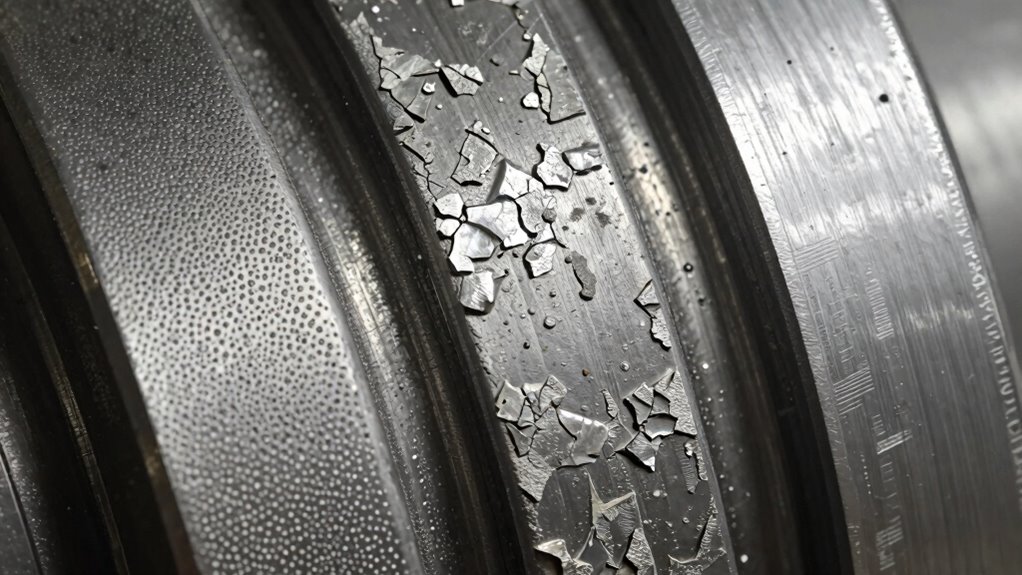
Scuffing occurs when metal surfaces slide against each other under high load or inadequate lubrication, causing localized welding and material transfer. This process damages the surface by removing material and creating rough, uneven areas. Lubrication failure is a common cause, as insufficient lubrication increases friction and heat, promoting scuffing. Improper alignment of parts can also exacerbate wear, forcing surfaces into direct contact under stress. When these issues happen, the surfaces stick and then tear apart, leading to scoring and damage that weaken the component. Over time, scuffing can cause performance loss, increased energy consumption, and eventual equipment failure. Recognizing the signs early and addressing lubrication issues and alignment problems can help prevent severe machinery damage caused by scuffing. Understanding surface interactions is essential for effective maintenance and prevention strategies.
How Do These Wear Types Differ? Pitting vs. Spalling vs. Scuffing
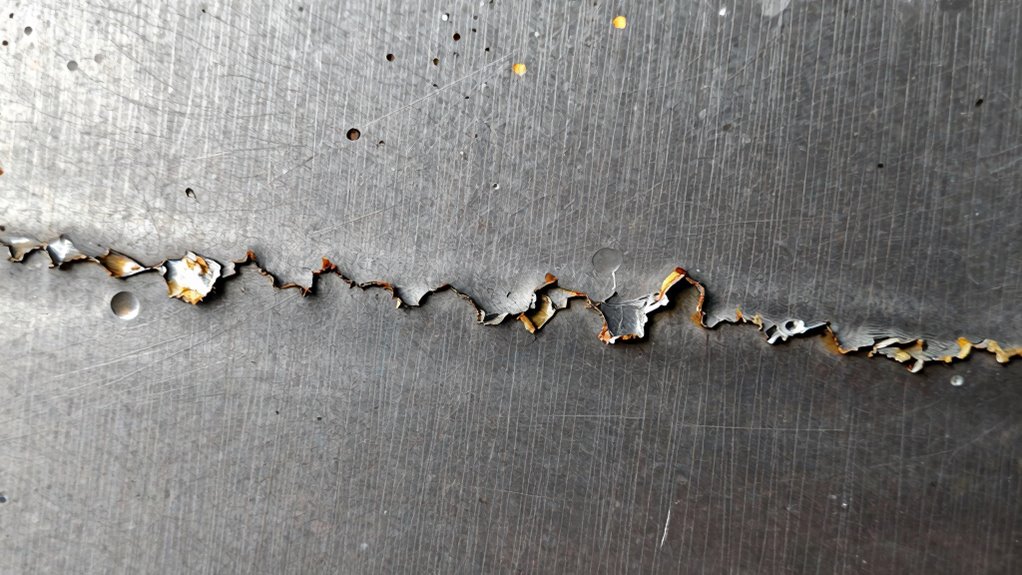
You’ll notice that pitting creates small, rounded surface holes, while spalling results in larger flaking or chipping of material. Spalling can also be influenced by heat buildup, which accelerates material degradation. Scuffing often appears as smooth, polished areas caused by adhesive wear under high friction. Understanding these differences helps you identify their causes and the conditions that lead to each type of damage. Proper maintenance and material selection, such as choosing copper cookware sets, can also help prevent certain wear types.
Surface Damage Characteristics
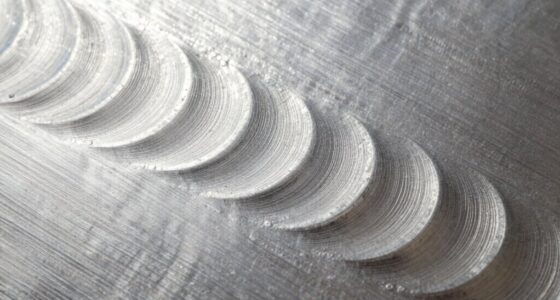
Understanding the differences in surface damage helps you identify wear types more accurately. Pitting typically causes localized, crater-like holes that may weaken the surface but rarely increase surface roughness considerably. Spalling presents as larger, flaky fragments breaking away, often creating rougher surface textures and exposing underlying material. Scuffing, however, manifests as a smeared, polished, or glazed appearance, indicating severe surface roughness and often coating failure. This type of damage usually results from adhesive wear or inadequate lubrication, leading to material transfer or smearing. Recognizing these characteristics helps you distinguish between superficial surface roughness changes and more serious subsurface damage, guiding maintenance decisions. Surface damage characterization is essential for implementing effective preventative measures. Accurate identification ensures you address the appropriate wear mechanisms before they lead to component failure.
Underlying Causes Differences
Different surface damage types stem from distinct underlying causes that influence how and where wear occurs. Pitting often results from material fatigue, where repeated stress causes small cavities or pits. Spalling usually stems from lubrication failure, leading to surface cracks that flake off under load. Scuffing arises from inadequate lubrication combined with high friction, causing surface smearing and severe damage. Recognizing these causes helps prevent damage by addressing specific issues early. Here’s a quick comparison:
| Wear Type | Underlying Cause | Key Factor |
|---|---|---|
| Pitting | Material fatigue | Repeated stress |
| Spalling | Lubrication failure | Insufficient lubrication |
| Scuffing | Friction & lubrication failure | High friction & poor lubrication |
Typical Occurrence Conditions
Pitting typically occurs under conditions where repeated cyclic stresses weaken the material, often in areas experiencing fluctuating loads or fatigue. This wear is often triggered by lubrication failure, which allows metal-to-metal contact, accelerating pitting formation. Improper material selection can also contribute, as some materials are less resistant to pitting corrosion or fatigue. Spalling usually happens when surface stresses cause cracks that propagate beneath the surface, often in high-stress zones or regions with poor lubrication. Scuffing occurs under boundary or mixed lubrication conditions, especially during sudden load increases or inadequate lubrication, leading to adhesion and material transfer between surfaces. Each wear type’s typical occurrence depends on specific operational conditions, lubrication status, and material properties—factors you must monitor closely.
How to Diagnose Wear Problems in Your Equipment
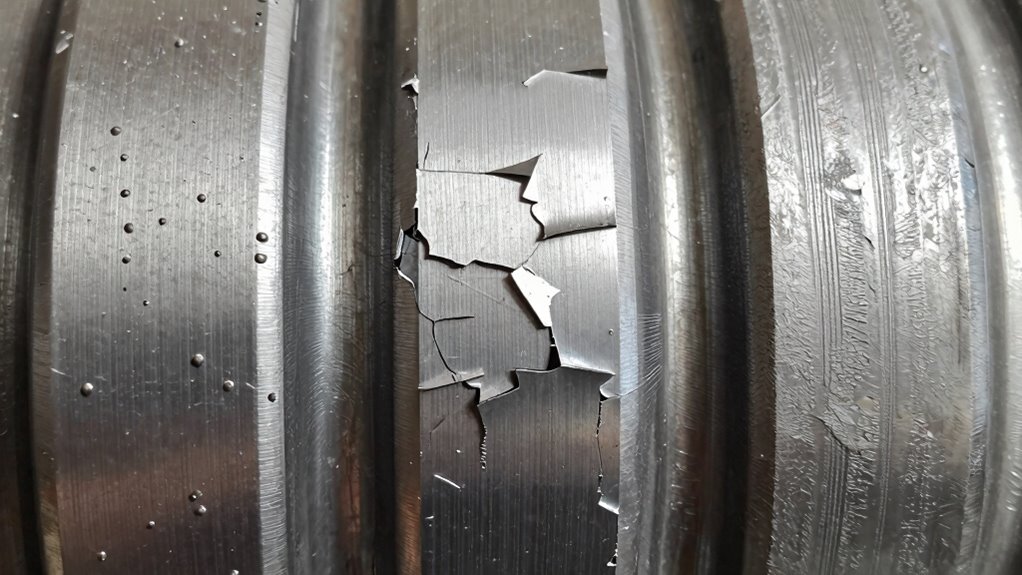
Diagnosing wear problems in your equipment starts with careful inspection and observation. Look for signs such as uneven wear patterns, scratches, or discoloration, which can indicate underlying issues like lubrication problems or material fatigue. Lubrication issues often cause localized wear or scuffing, so check for insufficient or contaminated lubricant. Material fatigue presents as cracks, spalling, or flaking on surfaces, especially after prolonged use. Listen for unusual noises during operation, and note any overheating or vibration. Regularly examine wear debris in filters or oil samples, as it can reveal early signs of damage. Pay attention to regional flavors and chicory/coffee insights, as understanding the composition of your materials can also help in diagnosing wear. By paying close attention to these symptoms, you can identify wear problems early, preventing costly repairs and ensuring your equipment runs smoothly.
Preventing and Fixing Pitting, Spalling, and Scuffing
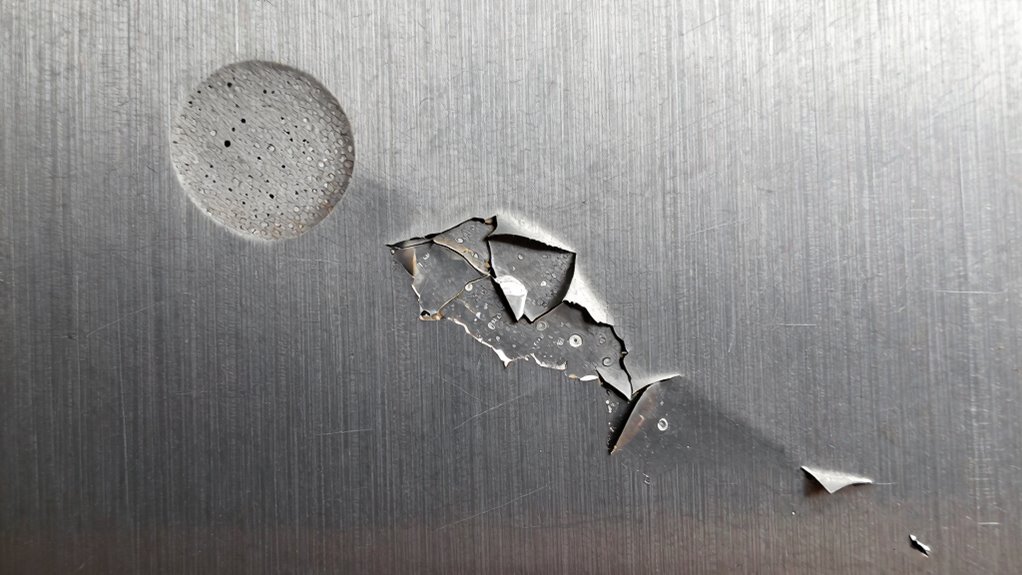
Preventing and fixing pitting, spalling, and scuffing starts with maintaining proper equipment care and operational practices. Use effective lubrication techniques to reduce metal-to-metal contact and prevent surface fatigue. Regularly check and adjust lubrication schedules to avoid under- or over-lubrication, which can accelerate wear. Material selection also plays a critical role; choose tougher, wear-resistant materials suited for your specific application to minimize damage. Ensuring proper lubrication and selecting appropriate materials help distribute loads evenly, reducing stress concentrations that lead to surface defects. When issues arise, addressing them promptly with the right lubrication and material upgrades can prevent costly repairs and downtime, keeping your equipment running smoothly and extending its lifespan.
When to Call a Professional for Wear Damage
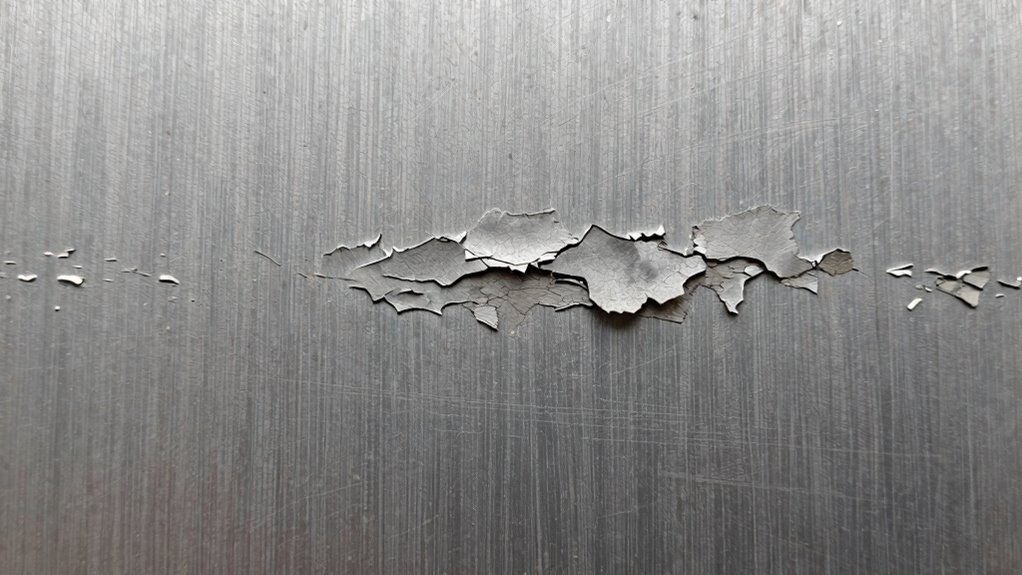
If you notice deep pits, large spalls, or extensive scuffing on your equipment, it’s time to call in a professional. Ignoring severe damage can lead to costly repairs or breakdowns. Trust an expert to assess the situation and recommend the best course of action. Proper project management support can help prevent further deterioration and ensure your equipment remains in optimal condition. Recognizing the difference between minor wear and critical damage is essential for effective preventive maintenance, which can include regular inspections to catch issues early and avoid unexpected failures. Being aware of wear terms like pitting, spalling, and scuffing helps in making informed decisions about when to seek professional help and how to address potential problems before they escalate.
Signs of Severe Damage
Severe damage from wear becomes obvious when you notice persistent, deep grooves or cracks on the surface of your equipment. These signs often indicate significant issues like corrosion effects, which weaken metal surfaces, or lubrication issues that cause uneven wear. If you see pitting, spalling, or scuffing with visible cracks, it’s a clear sign that the damage is serious. You might also notice increased vibration, unusual noise, or overheating, all of which point to underlying wear problems. Proper wear monitoring can help detect these issues early before they escalate, especially through regular inspections and preventive maintenance practices. Implementing wear measurement tools can improve the accuracy of detecting early signs of damage. Ignoring these signs can lead to catastrophic failure or costly repairs. When these symptoms appear, it’s time to call a professional. Addressing severe wear early can save your equipment and prevent further damage down the line.
When to Seek Expert Help
When you notice signs of serious wear like deep grooves, cracks, pitting, or spalling, it’s time to bring in a professional. Ignoring these issues can lead to more extensive damage, especially if lubrication issues or poor material selection are involved. Experts can accurately diagnose the root cause and recommend effective repairs. Additionally, understanding herbal baths and spices, as well as natural remedies, can help maintain equipment health by promoting overall wellness and reducing stress on machinery. You should seek help if:
- Wear patterns suggest ongoing lubrication problems
- Damage appears beyond simple surface wear
- Equipment shows inconsistent performance
- You’re unsure whether material choice contributed to the damage
Professionals can assess whether improper material selection or lubrication issues caused the wear and recommend solutions to prevent future problems. Proper maintenance and wear management are essential for extending equipment lifespan and efficiency. Don’t delay—early intervention saves equipment and reduces costly downtime.
Frequently Asked Questions
Can Pitting, Spalling, and Scuffing Occur Simultaneously?
Yes, pitting, spalling, and scuffing can occur simultaneously. Material fatigue weakens the surface, making it prone to pitting and spalling, while surface contamination like dirt or debris can accelerate scuffing. When these issues happen together, they often exacerbate each other, leading to quicker wear and damage. Recognizing how surface contamination and material fatigue interact helps you better prevent and address these wear mechanisms at once.
Are Certain Materials More Prone to Specific Wear Types?
Certain materials are more prone to specific wear types due to their material susceptibility. For example, softer metals like aluminum often develop scuffing easily, while brittle materials like cast iron tend to experience pitting or spalling. To accurately identify wear patterns, you need careful wear pattern identification. Recognizing which materials are vulnerable helps in selecting appropriate protective measures and extending component lifespan, reducing the risk of catastrophic failure.
How Long Does Each Wear Type Typically Take to Develop?
The wear progression varies, but generally, pitting can develop over months under constant stress, spalling takes longer, often years, depending on load and material quality, while scuffing can happen quickly, sometimes within days if lubrication fails. Your failure timeline depends on operating conditions, material properties, and maintenance. Regular inspections help catch these wear types early, preventing costly failures and extending component lifespan.
What Are the Best Maintenance Practices to Prevent These Damages?
To prevent pitting, spalling, and scuffing, you should implement proper lubrication strategies regularly, ensuring consistent and adequate lubrication to reduce metal-to-metal contact. Apply surface coatings like protective paints or hardening layers to shield components from wear. Routine inspections help identify early signs of damage, allowing timely interventions. Combining these practices minimizes wear risks, extends equipment life, and maintains best performance.
Are There Advanced Technologies to Detect Early Signs of Wear?
You might find that sensor technologies and predictive analytics work together to detect early signs of wear. These advanced systems monitor equipment continuously, picking up subtle changes before damage occurs. By analyzing data trends, they alert you to potential issues like pitting or spalling early enough for preventative action. Coincidences like these improve maintenance, reduce downtime, and extend equipment lifespan, making your operations more efficient and reliable.
Conclusion
Understanding the differences between pitting, spalling, and scuffing helps you catch wear issues early. Did you know that improper lubrication accounts for up to 70% of machinery failures? By recognizing these wear types and taking proactive steps, you can extend your equipment’s lifespan and avoid costly repairs. Keep a close eye on your machinery, and don’t hesitate to consult professionals when needed—your equipment’s performance depends on it.