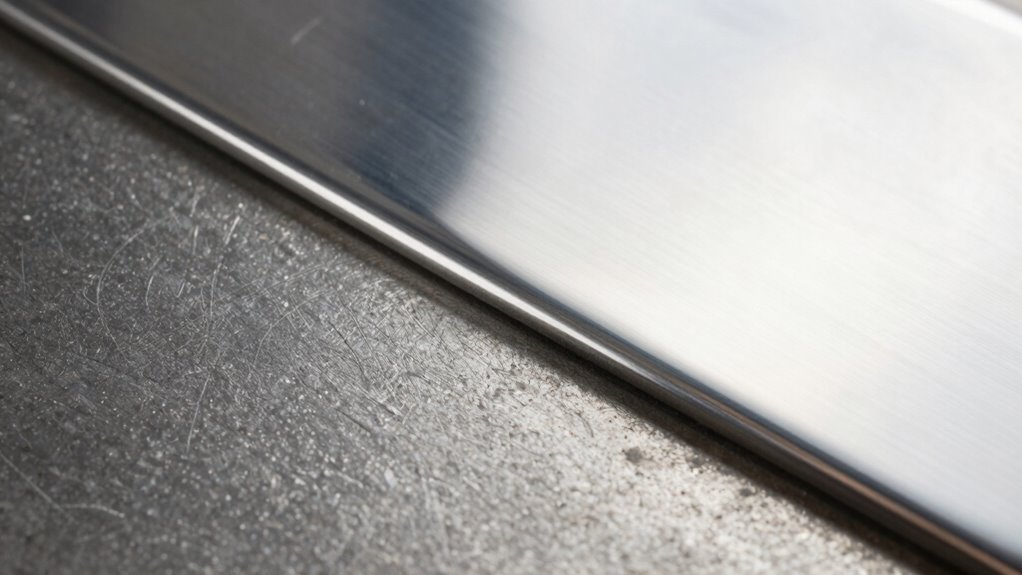
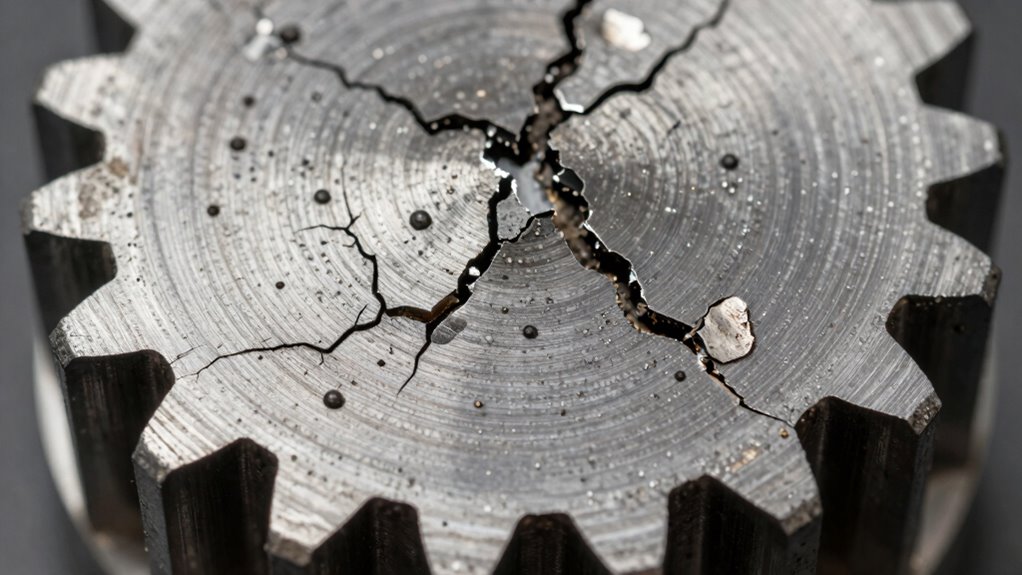
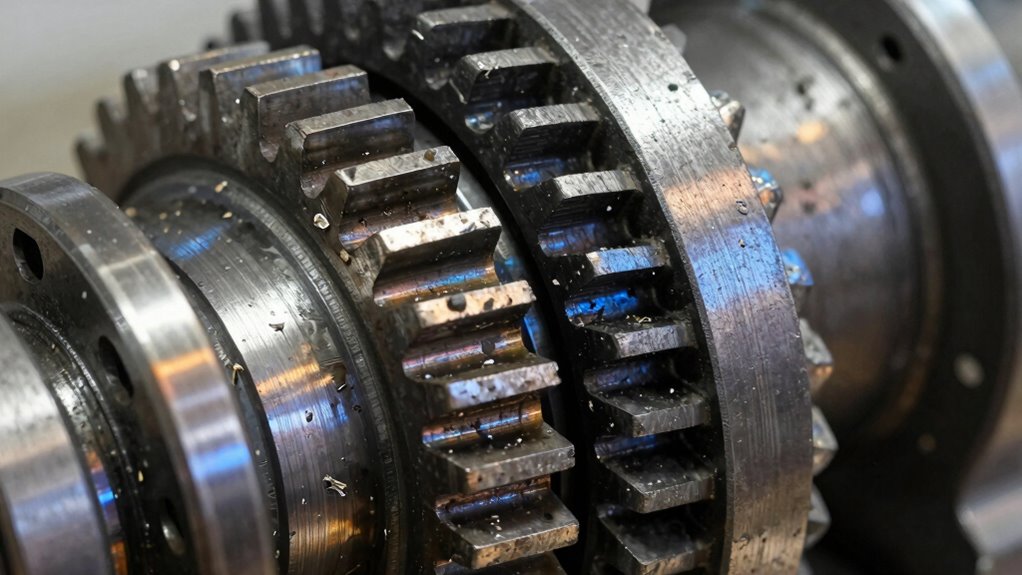
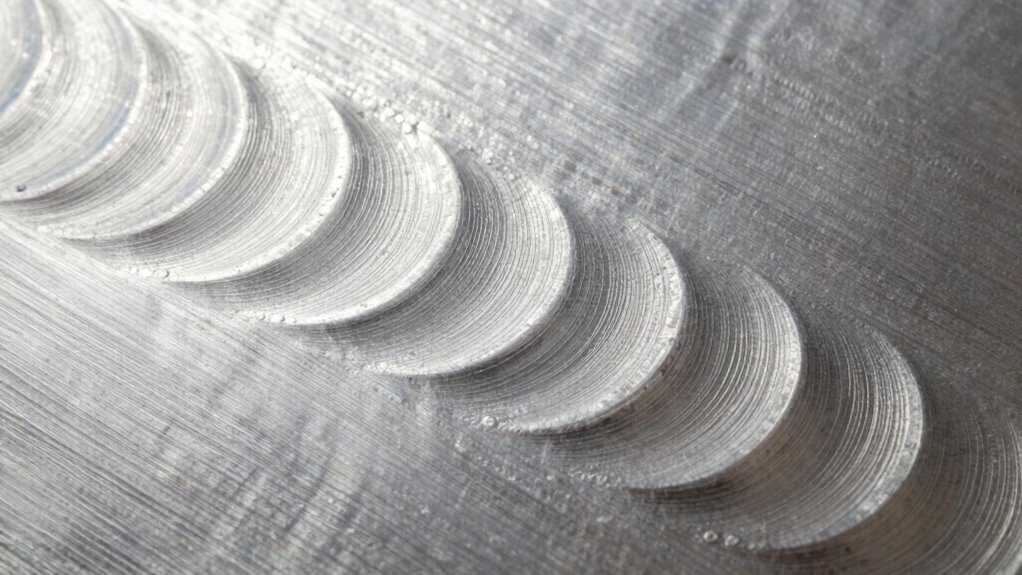
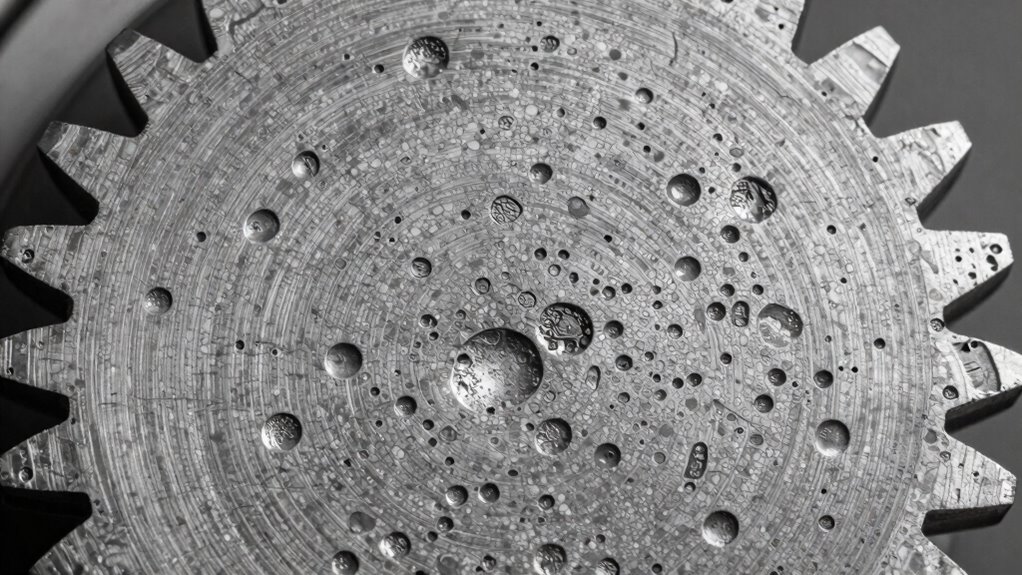
Beneath the surface, scoring and polishing tell two different stories; understanding their differences can dramatically impact your project’s success.
Browsing Category
Failure Modes & Wear Patterns
74 posts
What “Normal” Break-In Looks Like in Data and Debris
Meta description: “Many systems experience initial fluctuations and debris buildup during break-in, but understanding these normal behaviors helps ensure long-term reliability and performance.
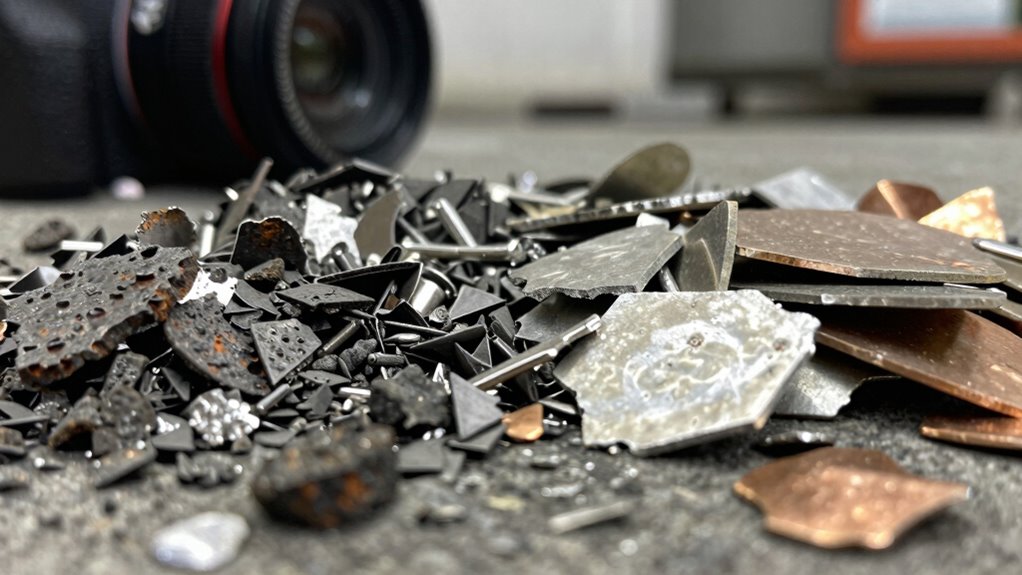
Chunky Metal vs Fine Glitter: What Each Usually Means
Chunky metal usually refers to larger, textured metal pieces that create a…
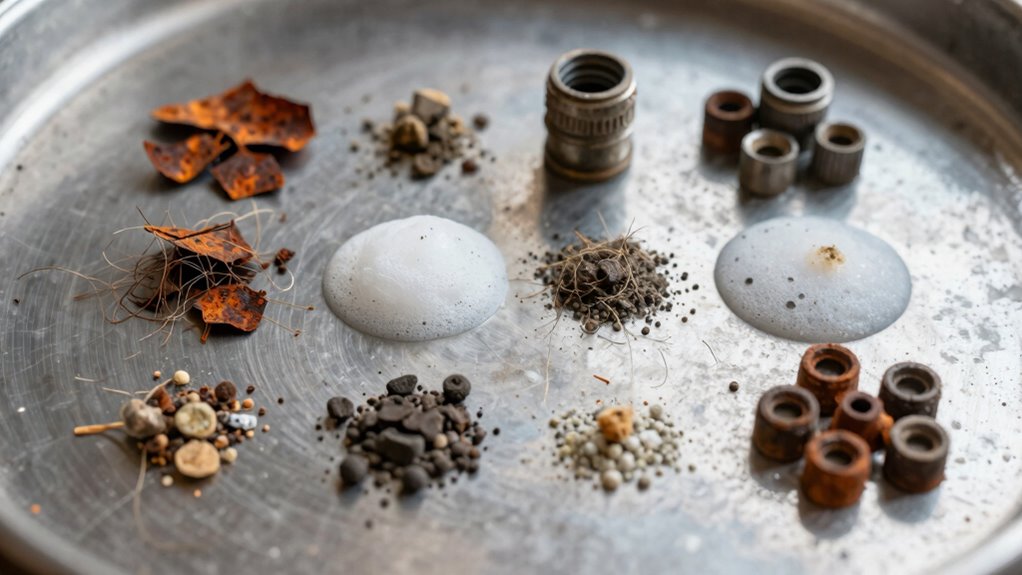
Ferrous vs Non-Ferrous Debris: The Quick Identification Guide
Ferrous vs non-ferrous debris: find out how to quickly identify metals and improve your recycling process—continue reading to learn the essential tips.
Rust vs Wear: Two Different Problems With Similar Symptoms
By understanding how rust and wear differ despite similar symptoms, you can better protect your metal surfaces from damage—continue reading to find out how.
Drain Plug Debris Classification: A Simple System You Can Use
Lifting the veil on drain plug debris classification reveals simple methods to identify potential issues before costly repairs, and you’ll want to learn more.
Rolling Contact Fatigue: The Wear Mechanism Behind Spalling
Inevitably, understanding the wear mechanism behind spalling can help you prevent failures and extend the lifespan of your bearings and gears.
Scuffing in Gearboxes: Why Heat + Load Can Beat Any Additive
Absolutely, understanding how heat and load can overpower even the best additives is crucial to preventing gearbox scuffing.
Fretting Wear: Why “Vibration” Leaves a Signature on Metal
What makes vibration-induced fretting wear leave distinct signatures on metal surfaces, and how can understanding this help prevent damage?
Micropitting Explained: The Tiny Damage That Becomes Big Damage
Learn how tiny micropitting can escalate into major gear failures and what you can do to prevent this hidden damage before it’s too late.