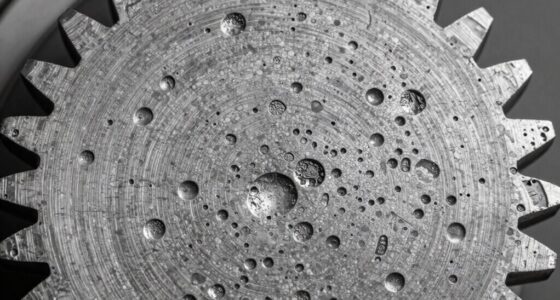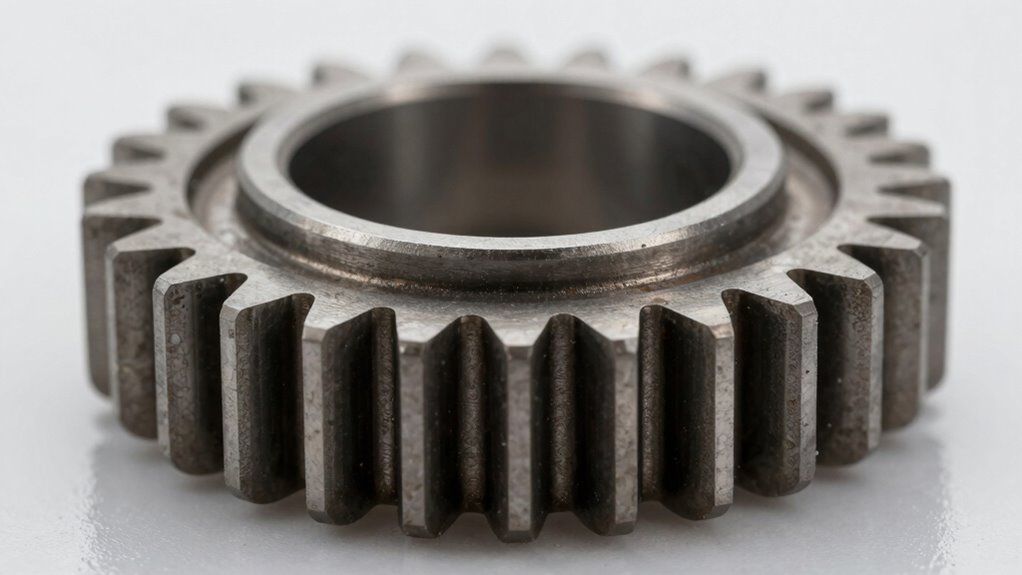

Understanding ring and pinion wear patterns helps you diagnose gear health and prevent failures. Proper contact patterns should be centered, evenly spread across the teeth, with minimal shiny spots or rough surfaces. Common signs include uneven wear, pitting, or chipped teeth, which indicate misalignment or lubrication issues. By recognizing these signs, you can catch problems early. Keep exploring to learn detailed tips on inspecting and correcting wear patterns for a smoother, longer-lasting drivetrain.
Key Takeaways
- Proper contact patterns should be centered with even gear tooth contact to ensure longevity.
- Wear patterns like pitting, scoring, or shiny spots reveal lubrication issues or misalignment.
- Off-center contact or excessive edge wear indicates improper setup or gear misalignment.
- Consistent inspection of contact patterns helps identify early signs of uneven wear or damage.
- Addressing lubrication, alignment, and material issues prevents premature wear and extends gear life.

Votex - Made in USA - Magnetic Oil Dipstick fits Predator 8750/9000/9500/13000 Generator - Stainless Steel - Neodymium Magnet (Large Version)
Fits Predator 8750/9000/9500/13000 Generators with 27MM (1 1/16") threads. This will NOT FIT generators equipped with 19MM diameter...
As an affiliate, we earn on qualifying purchases.
What Are Ring and Pinion Gears, and Why Do Wear Patterns Matter?
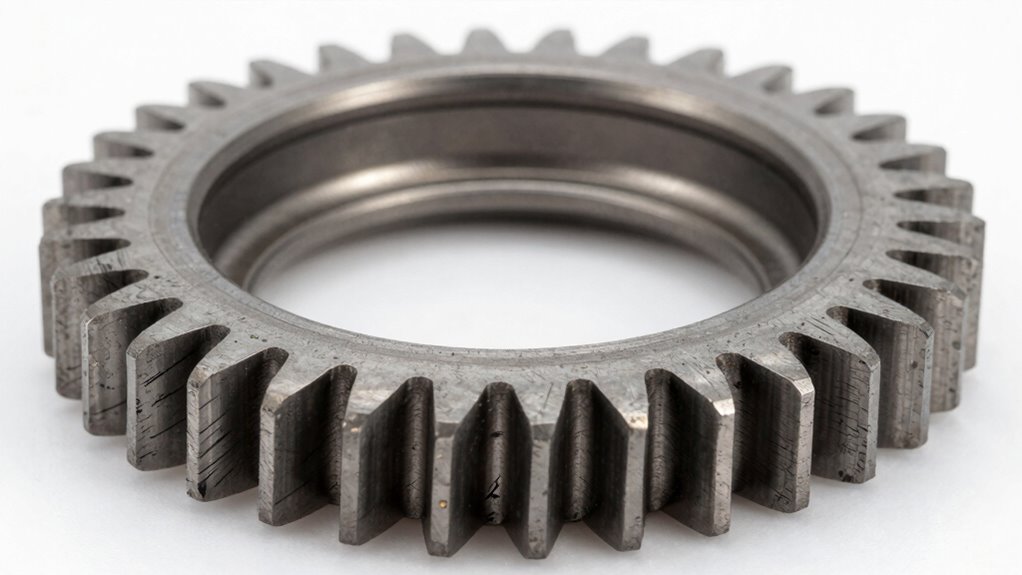
Ring and pinion gears are vital components in your vehicle’s differential, transmitting power from the drive shaft to the wheels. These gears rely on proper gear lubrication to reduce friction and prevent excessive wear, ensuring smooth operation. The gear material, typically hardened steel or other durable alloys, influences how well the gears withstand stress and resist wear over time. Wear patterns on these gears reveal how well they’re functioning; uneven wear can lead to noise, vibration, or gear failure. Recognizing early signs helps prevent costly repairs. Proper gear alignment and regular inspections can significantly extend the lifespan of these components. Additionally, adequate lubrication is crucial in reducing friction and minimizing wear, further protecting the gears. Understanding gear materials can help you choose the best options for durability and performance. Proper gear maintenance and timely repairs can prevent minor issues from escalating into major failures. Understanding what ring and pinion gears do and why wear patterns matter allows you to maintain peak performance. Regular inspections and proper lubrication are key to extending the lifespan of these fundamental components.
Magnetic Oil Dipstick for Generators (Universal M18*2.5) -Easily Clean/Collect The Metal shavings and deposits -Cool Touch Design -Compatible with Westinghouse/Wen/Champion/Generac/Pulsar/A-iPower
[Enhanced Engine Protection] Stop metal shavings from damaging your generator’s engine. Our magnetic oil dipstick features an industrial-strength...
As an affiliate, we earn on qualifying purchases.
How Do Proper Contact and Contact Patterns Look on Your Gears?
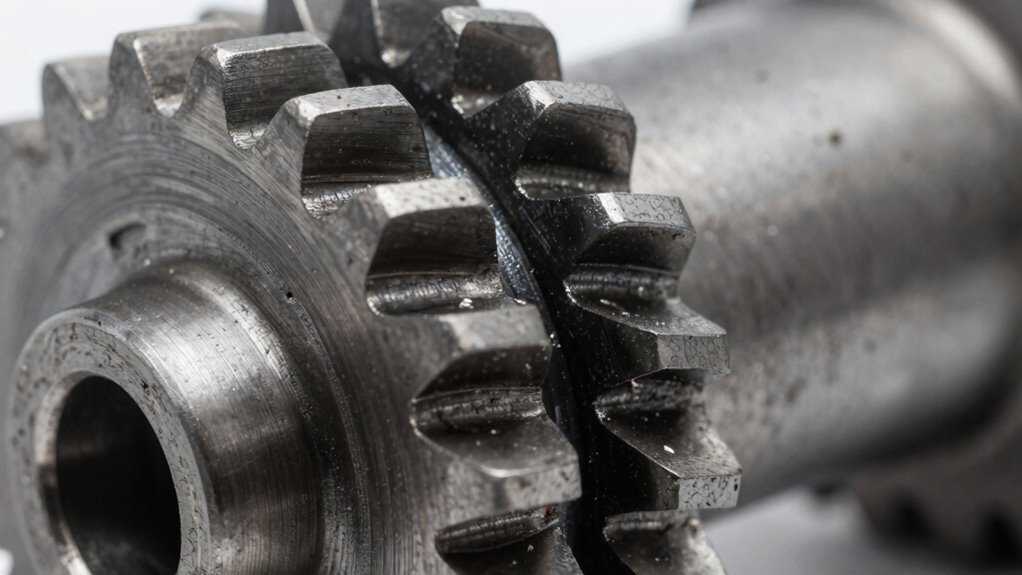
When your gears are properly aligned, they make contact across their entire tooth surface, creating a smooth, even pattern. This balanced contact helps prevent premature gear wear and extends the lifespan of your components. This ensures ideal gear lubrication, reducing friction and preventing uneven wear. The contact pattern should be centered on the gear teeth, with no excessive contact at the edges or the center. Proper contact indicates that the gear material interacts evenly, distributing load and minimizing stress points. If the pattern appears too shallow or concentrated on one side, it suggests misalignment or inadequate lubrication. Regular inspection of your gear contact pattern helps maintain gear health, ensuring smooth operation and longer lifespan. Additionally, understanding gear contact patterns can help you better interpret the signs of wear and prevent costly repairs. Maintaining proper gear alignment ensures optimal contact and longevity of your gear system. Recognizing correct contact patterns can also assist in diagnosing early issues before they worsen.
WEN Magnetic Oil Dipstick, Extra Long with M18-2.5 Threading (Model GNA182), Black
Extend your generator’s life by keeping metal out of the engine oil
As an affiliate, we earn on qualifying purchases.
What Are Common Wear Patterns on Ring and Pinion Gears?

You should look for specific tooth wear indicators that reveal how your gears are wearing. Symmetry signs in the contact pattern can point to alignment issues, while uneven contact clues signal potential problems. Recognizing these patterns early helps you address wear before it causes more serious damage. Additionally, monitoring for infection risks and maintaining proper lubrication can extend the lifespan of your ring and pinion gears. Proper gear installation and quality components also play a crucial role in preventing uneven wear. Implementing regular inspections allows for early detection of wear issues and helps prevent costly repairs. Understanding wear patterns can help identify issues before significant damage occurs. Being aware of early warning signs can aid in timely maintenance and prolong gear life.
Tooth Wear Indicators
Identifying common wear patterns on ring and pinion gears helps diagnose issues early and prevent costly repairs. Tooth wear indicators often show uneven or pitted surfaces, which suggest problems with gear lubrication or alignment. Excessive wear on the gear’s toe or heel can lead to noise diagnosis issues, like whining or clunking sounds during driving. A shiny or polished look on certain gear areas indicates high contact stress, while chipped or cracked teeth reveal severe damage. Regular inspection of wear patterns lets you catch early signs of gear fatigue or insufficient lubrication. Recognizing these indicators ensures you can address problems before they escalate, maintaining smooth operation and extending gear lifespan. Proper maintenance and timely repairs keep gear wear patterns from worsening. Understanding gear wear patterns is crucial for effective diagnosis and maintenance. Additionally, monitoring gear contact patterns can provide insights into proper setup and alignment, helping prevent uneven wear. Being aware of gear material properties can also assist in selecting appropriate lubricants and maintenance schedules to reduce wear.
Pattern Symmetry Signs
Pattern symmetry signs on ring and pinion gears reveal important clues about proper engagement and alignment. When inspecting gear wear patterns, look for symmetrical wear across the gear teeth, which indicates good gear symmetry. Symmetrical wear suggests the gears are engaging evenly, reducing uneven stress and potential damage. Conversely, asymmetrical wear pattern indicators, such as excessive wear on one side or a specific area, point to misalignment or uneven contact. This imbalance can cause premature gear failure if not corrected. Recognizing these signs helps you determine whether the gears are meshing correctly or if adjustments are necessary. Proper gear symmetry ensures smooth operation and longevity, making it essential to identify these wear pattern indicators during inspections. Additionally, understanding the crisping techniques used in gear maintenance can help prolong gear life and improve performance. Being aware of wear pattern analysis techniques can further enhance your ability to diagnose and address gear issues early, ultimately supporting gear longevity and optimal operation. Regular inspection and gear maintenance are crucial for early detection of misalignment and to prevent costly repairs. Incorporating proper lubrication practices can also significantly reduce uneven wear and extend gear lifespan.
Contact Pattern Clues
What are the common wear patterns that reveal contact issues on ring and pinion gears? Typically, uneven contact patterns indicate problems like poor lubrication consistency or incorrect gear alignment. If you notice a wear pattern concentrated on one side of the gear teeth, it suggests misalignment, causing uneven load distribution. A centered contact pattern usually indicates proper gear alignment and adequate lubrication. Conversely, excessive wear on the edges or a shiny, polished appearance across the teeth can point to insufficient lubrication, leading to increased friction and heat. Regularly inspecting your contact pattern helps identify early signs of wear, so you can address issues before they become costly. Understanding gear contact patterns and their implications is essential for effective troubleshooting and maintenance. Maintaining proper lubrication and ensuring correct gear alignment are key to preventing abnormal contact patterns and extending gear life. Proper inspection techniques can help detect early warning signs that indicate potential problems before significant damage occurs. Being aware of wear pattern indicators can also aid in diagnosing underlying issues more accurately. Additionally, correct gear setup is crucial for ensuring consistent contact patterns and optimal gear performance. Implementing regular maintenance checks can further help sustain gear longevity and reliability.

YueHeLe Magnetic Oil Dipstick Universal M18*2.5 Compatible with generators of Westinghouse/Wen/Champion/Generac/Pulsar/A-iPower, 168/170 series
Potects your generator by keeping metal out of the engine, industrial-strength magnetic tip collects metal shavings,keeping engine run...
As an affiliate, we earn on qualifying purchases.
How to Safely Inspect Your Gear Wear Patterns?
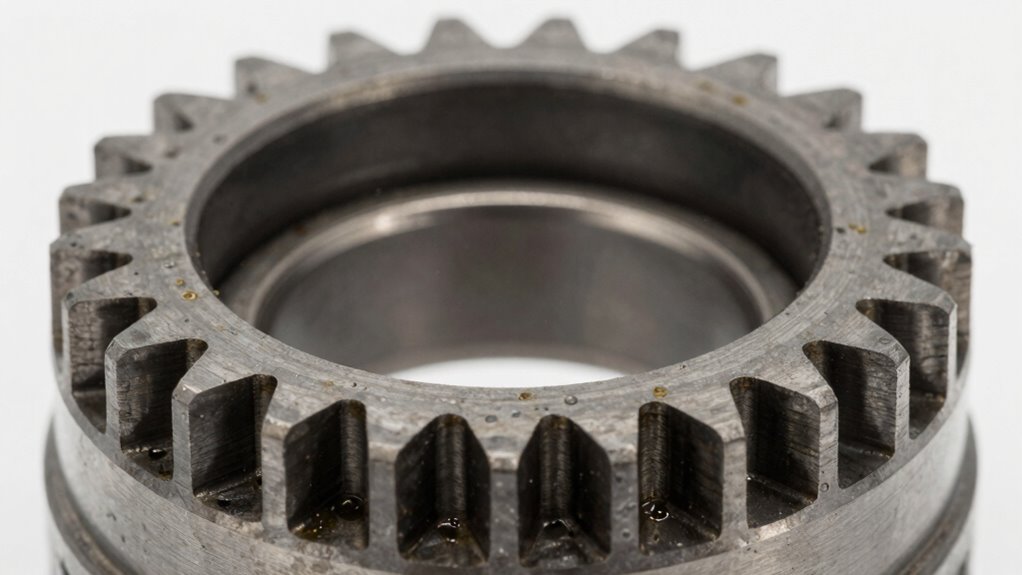
Before you begin inspecting your gear wear patterns, it’s essential to guarantee safety by properly preparing your vehicle. First, ensure the vehicle is on a flat surface and securely supported with jack stands. Second, disconnect the battery to prevent accidental activation. Third, wear gloves and eye protection to avoid contact with lubricants or debris. Fourth, verify that the gear oil has consistent lubrication; uneven lubrication can mask wear issues. When inspecting, look for wear patterns that reflect the gear material’s response—smooth, even contact points indicate healthy gears, while uneven or pitted surfaces suggest problems. Additionally, understanding gear wear patterns can help you interpret the condition more accurately. Always handle gears carefully, and double-check that the gear oil is clean and at proper levels before beginning. This approach helps you safely assess gear wear without risking injury or further damage.
How to Read Wear Marks and What They Tell You About Gear Health?
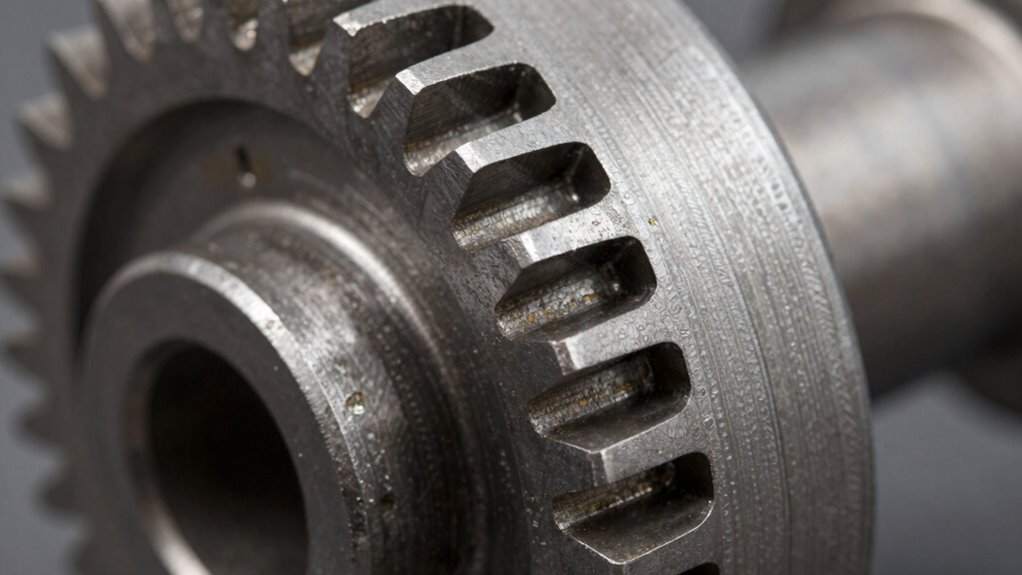
You can learn a lot about your gears by recognizing common wear patterns and understanding where the wear marks appear. These marks reveal how the gears are engaging and if there are issues like misalignment or insufficient lubrication. By analyzing wear mark locations, you’ll gain insights into your gear’s health and know when it’s time for maintenance.
Identifying Common Wear Patterns
Recognizing common wear patterns on ring and pinion gears is essential for diagnosing their condition accurately. These patterns reveal clues about underlying issues, such as lubrication problems or manufacturing defects. To identify wear patterns:
- Pitting or spalling indicates surface fatigue, often caused by inadequate lubrication.
- Scoring or scratches suggest debris or contamination, pointing to lubrication issues.
- Brinelling marks often result from manufacturing defects or improper installation.
- Uneven wear may signal misalignment or improper gear setup.
Interpreting Wear Mark Locations
Interpreting wear mark locations is essential for diagnosing gear health because the position of wear patterns reveals the specific issues affecting your ring and pinion gears. By analyzing where the wear zones appear, you can identify problems like misalignment, insufficient lubrication, or contact stress. Wear marks on the gear tooth surface indicate the gear contact pattern — whether it’s centered, shifted, or uneven. Properly reading these patterns helps determine if the contact is within the ideal zone or if adjustments are needed.
| Wear Zone | What It Indicates |
|---|---|
| Centered contact | Proper alignment, even gear contact |
| Off-center contact | Misalignment or gear pattern issues |
| Excessive wear zone | Overloading or insufficient lubrication |
| Unusual wear patterns | Potential damage or debris interference |
Troubleshooting Gear Wear Problems and Fixes?
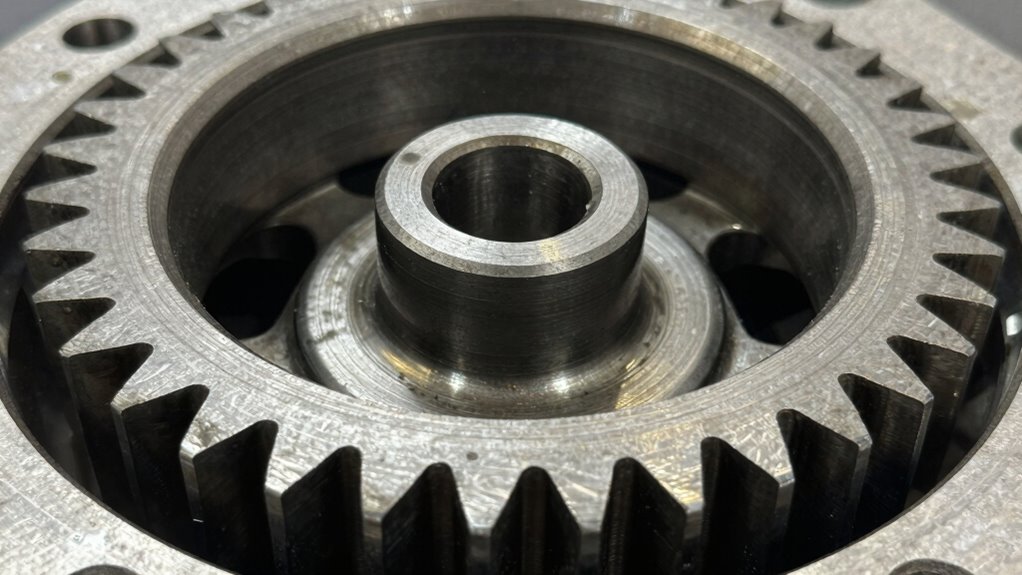
When gear wear patterns develop unevenly or prematurely, identifying the root cause is essential for effective troubleshooting. First, check for lubrication issues—insufficient or contaminated lubricant can cause uneven wear. Second, examine the gear material; incompatible or low-quality materials wear faster or develop damage quickly. Third, inspect the gear alignment; misalignment leads to uneven contact and accelerated wear. Fourth, verify proper installation; incorrect setup can cause abnormal wear patterns. Address lubrication issues by replacing or upgrading your lubricant. Consider gear material upgrades if current ones are inferior. Ensure precise alignment during assembly, and double-check installation procedures. By systematically diagnosing these factors, you can prevent or correct gear wear problems and extend the life of your ring and pinion.
Tips to Prevent Gear Wear and Extend Your Drivetrain’s Life?
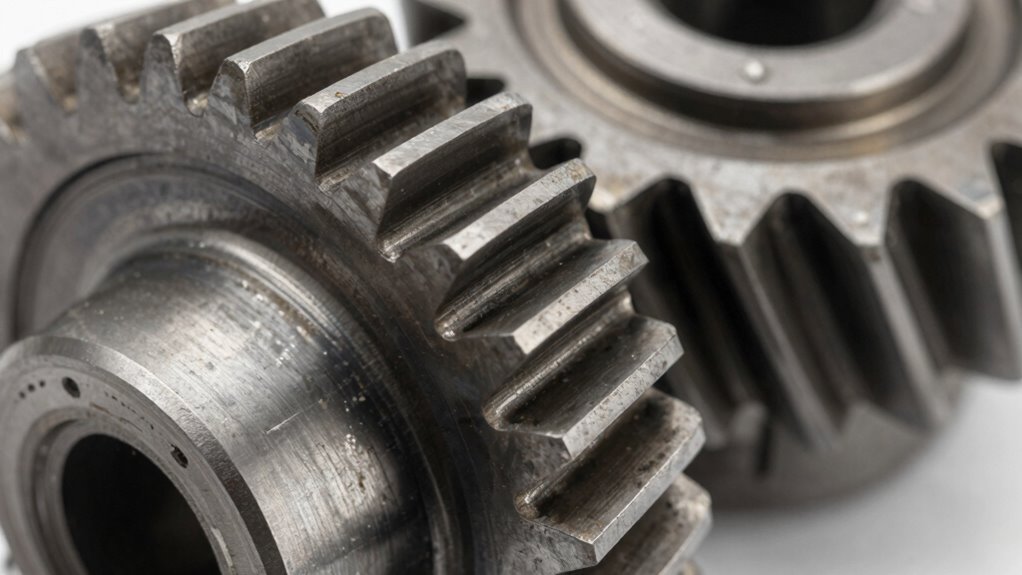
Maintaining proper gear conditions is key to preventing premature wear and extending your drivetrain’s lifespan. Start with lubrication improvements—use high-quality gear oil and ensure it’s clean and at the correct level. Regularly changing the lubricant helps prevent metal-to-metal contact and reduces heat buildup. Additionally, pay attention to gear material selection; choosing gears made from durable, high-grade materials can resist wear better over time. Proper installation and alignment also matter, so double-check your setup to avoid uneven load distribution. Avoid aggressive driving habits that cause shock loads and excessive stress on the gears. By focusing on lubrication improvements and selecting the right gear materials, you considerably reduce wear risk and keep your drivetrain running smoothly for longer periods.
Frequently Asked Questions
How Often Should I Check My Ring and Pinion Gear Wear Patterns?
You should check your ring and pinion gear wear patterns during your regular maintenance schedule, ideally every 15,000 to 30,000 miles. Conduct a visual inspection for uneven wear, chipping, or pitting. Regular checks help catch issues early, preventing costly repairs and ensuring smooth operation. Don’t wait until problems worsen—staying proactive with inspections keeps your gears in top shape and extends their lifespan.
Can Gear Wear Patterns Indicate Other Drivetrain Issues?
Gear glitches can give clues about drivetrain diagnostics, revealing more than just wear patterns. If you notice unusual wear, it could indicate gear misalignment or other underlying issues like differential problems or bearing failures. Pay attention to strange sounds, vibrations, or uneven wear, as these signs signal deeper drivetrain troubles. Regular inspections help catch complications early, ensuring your vehicle remains reliable, responsive, and ready to roll without risks of severe damage.
What Tools Are Best for Inspecting Gear Contact Patterns?
You should use gear marking stickers to visualize contact patterns clearly on the gears, making inspection easier. An inspection mirror helps you see areas that are hard to reach or view directly. Together, these tools allow you to accurately assess gear contact, identify uneven wear, and determine if the gears are properly meshing. Regularly using gear marking stickers and an inspection mirror guarantees you catch issues early and maintain drivetrain health.
How Does Gear Lubricant Affect Wear Patterns?
You might think gear lubricant doesn’t impact wear patterns, but it truly does. Using the right viscosity guarantees proper film thickness, reducing metal-to-metal contact and uneven wear. Contamination prevention is also key—dirt or debris in the lubricant accelerates wear and distorts contact patterns. Regularly checking and maintaining clean, appropriate lubricant helps you avoid premature gear damage, keeping everything running smoothly for longer.
Are There Specific Driving Habits That Accelerate Gear Wear?
Your driving style and terrain conditions can definitely accelerate gear wear. Aggressive driving, like rapid acceleration and hard braking, puts extra stress on your gears. Off-road or hilly terrain causes increased strain, especially if you frequently shift between different modes. To prolong gear life, drive smoothly, avoid sudden acceleration, and adapt your driving habits to the terrain, reducing unnecessary stress on your ring and pinion gears.
Conclusion
Think of your ring and pinion gears as the heartbeat of your vehicle’s drivetrain. When they wear evenly, it’s like a well-tuned orchestra—silent and smooth. But as wear patterns develop, it’s like a discordant note disrupting the harmony. By understanding and inspecting these wear marks, you’re the conductor ensuring every part plays its tune. Keep a close eye, troubleshoot early, and your gears will keep your vehicle’s symphony running smoothly for miles to come.