TL;DR

Get business pricing on garage and car supplies
- Business-only prices and quantity discounts
- Tax-exempt purchasing
- Multiple users, one account, clear invoices
Ridley has brought the Falcn RS 2.0 to market after showing a prototype at the 2026 Critérium du Dauphiné. In a first ride for road.cc, the Force AXS build weighed 6.65kg and felt comfortable on climbs and rougher Girona roads, but wet conditions and limited ride time left cornering and long-term comfort untested.
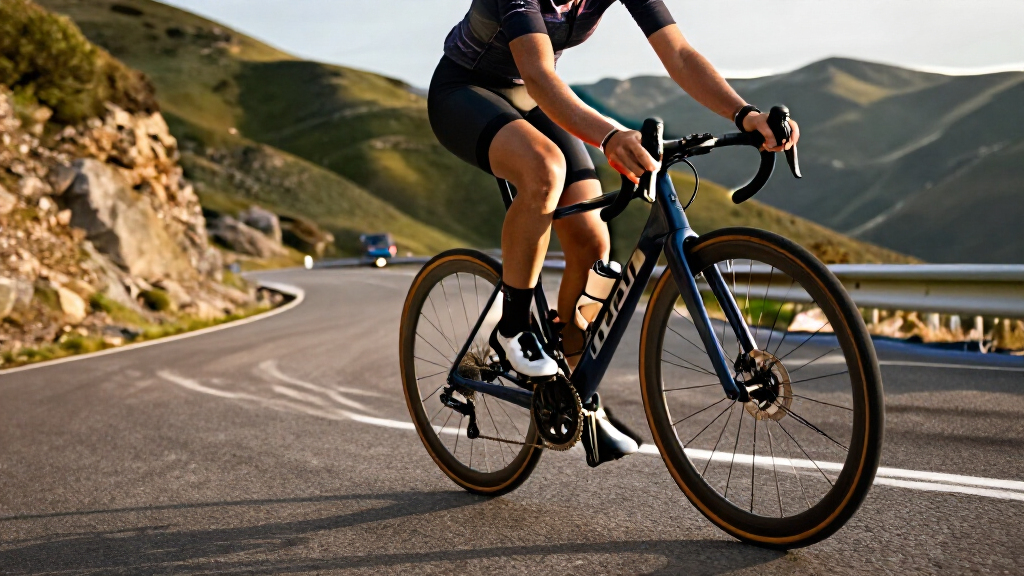
Ridley has introduced the Falcn RS 2.0, an updated, climbing-focused road bike that road.cc reviewed on a short ride around Girona, Spain. The publication reported that its Force AXS build weighed 6.65kg and felt controlled on climbs and comfortable over imperfect road surfaces, though the test was too brief and conditions too wet for a firm judgment on cornering or long-term comfort.
Ridley showed a prototype at the 2026 Critérium du Dauphiné, with the production bike appearing later than road.cc had expected. The review took place during Sea Otter Europe, where the brand brought the Falcn RS 2.0 to Girona. The ride included two climbs, followed by a descent and a faster flat stretch back toward the city.
On the climbs, road.cc’s reviewer highlighted the bike’s 76-degree seat tube angle and the resulting seated position. The reviewer said it felt as though they were positioned over the bottom bracket and needed to stand less, helping them stay in control as the gradient changed. That is an individual first-ride impression, not a measured comparison against other bikes.
The reviewer said the bike remained comfortable over several hours on Girona roads, including some less-smooth sections. But the publication cautioned that a single ride on unfamiliar roads cannot establish how it performs on longer rides. Damp patches and gravel left by heavy rain also constrained the descent test. The bike felt stable on a straight downhill section where the reviewer reached 75km/h; that observation does not settle how it handles technical corners.
A Climbing Bike Beside Ridley’s Aero Model
The Falcn RS 2.0 gives Ridley a lightweight option for riders whose priorities differ from those of a full-aero race bike. The company told road.cc it continues to favor a two-model road lineup: the aero-focused Noah Fast and the climbing-oriented Falcn RS. That split matters to racers and other performance-focused riders choosing between aerodynamic efficiency and lower weight.
The reported 6.65kg build weight gives readers a concrete figure for the tested Force AXS configuration, but it is not a published weight for every build or frame size. Nor does one ride prove that the bike climbs faster, descends better, or suits every rider. The review offers early impressions to help frame those questions, not a controlled performance test.
As an affiliate, we earn on qualifying purchases.
Why Ridley Keeps Two Road Bikes
Ridley told road.cc that it sees the Noah Fast as a dedicated aero machine, with less emphasis on meeting the UCI’s 6.8kg minimum bike weight. The brand said that approach suits riders who prioritize aerodynamics, while the Falcn RS is intended for climbing-focused use. The review presented that product strategy as Ridley’s choice to avoid making one road bike cover both roles.
The report also recalled that UNO-X rider Torstein Træen chose a Falcn RS for a Tour de France stage while wearing the yellow jersey, rather than a yellow Noah Fast prepared for him. That example illustrates the distinction Ridley draws between the bikes; it does not establish that one model is faster overall.
For the updated frame, Ridley said it reassessed and optimized the internal carbon lay-up, redesigning areas where carbon layers had previously overlapped across larger surfaces. The reviewer raised questions about tyre choice and clearance: the tested bike used 28mm Vittoria Corsa Pro Speed tyres, and the frame is reported to have 35mm tyre clearance. The review wondered why the available clearance was not used more fully, while suggesting weight reduction may have influenced the setup.
“The carbon lay-up on the inside of the frame was completely reassessed and optimised.”
— Ridley, as quoted by road.cc
As an affiliate, we earn on qualifying purchases.
Handling and Durability Need More Miles
The first ride cannot establish long-term comfort, durability, or comparative performance. Road.cc described the ride as a handful of hours and said further testing on roads the reviewer knows is needed. No controlled speed, climbing, or comfort comparison was reported.
Cornering also remains an open question. Rain had left damp patches and gravel on the roads, and the reviewer was unfamiliar with the route and cautious about the tyres. The reviewer described the steering as immediate, partly because the riding position placed weight toward the front wheel, but said a fuller assessment of cornering would have to wait.
The report does not provide a full range of prices, build specifications, frame weights by size, or independent lab measurements. It also does not establish whether the 28mm tyres were a standard production setup or a press-bike choice. Those details should be checked against Ridley’s current specifications before comparing versions.
As an affiliate, we earn on qualifying purchases.
Further Testing on Familiar Roads
Road.cc said it would want to test the bike further on roads the reviewer knows, particularly to assess long-term comfort and cornering. More time on varied descents and rougher surfaces would help separate the bike’s characteristics from the limits imposed by the wet, unfamiliar route.
For prospective buyers, the next useful information is the complete model range: prices, component options, weights by frame size, and the tyres supplied with each build. Ridley’s specifications and additional independent reviews can clarify how the Falcn RS 2.0 compares with the previous model and with other climbing bikes.
As an affiliate, we earn on qualifying purchases.
Key Questions
What is the Ridley Falcn RS 2.0?
It is Ridley’s updated climbing-focused road bike, positioned alongside the brand’s more aero-oriented Noah Fast.
How much did the reviewed bike weigh?
Road.cc reported a weight of 6.65kg for the tested Force AXS build. The report does not say that every build or frame size weighs the same.
How did it feel on climbs?
The reviewer said the seated position felt controlled on changing gradients and that they needed to stand less. This is a first-ride impression, not a timed comparison.
Was its cornering performance tested?
Not conclusively. Rain, gravel, unfamiliar roads, and the reviewer’s caution limited the descent assessment. The reviewer said cornering would need to be judged on another ride.
Is the bike’s long-term comfort established?
No. The reviewer found it comfortable during the short test but said longer-term testing on familiar roads is still needed.
Source: rss
Halloween Picks
halloween
As an affiliate, we earn on qualifying purchases.