
TL;DR
A California-based producer bought a 2007 Toyota Yaris for $2,300 for a three-week, roughly 3,000-mile Midwest road trip, paying $300 less than a round-trip rental would have cost. Repairs and troubleshooting erased that initial gap and took total spending above his original budget; the exact final cost was not reported.
A 2007 Toyota Yaris bought for $2,300 initially appeared to beat the price of a round-trip rental for a three-week road trip, but repairs and a trackside breakdown pushed the buyer’s spending above his original budget, according to The Drive. The account illustrates why a used car’s purchase price alone may not capture the cost or risk of using it for an extended trip.

Get business pricing on garage and car supplies
- Business-only prices and quantity discounts
- Tax-exempt purchasing
- Multiple users, one account, clear invoices
The Drive reported that its California-based producer, Joey, planned a roughly 3,000-mile loop through the Midwest, ending with time at a racetrack. Because rental companies can restrict track use, he bought a five-speed 2007 Toyota Yaris hatchback from the yard of a friend’s shop in Kentucky. The $2,300 asking price was $300 below what he expected to pay for a round-trip rental.
The car had been sitting in a field and needed work. The source says the initial $300 price difference went back into the Yaris, while Joey also drove several hundred miles around the Midwest to find parts. It does not itemize all repairs or report a precise final total, but says he spent more than his original budget.
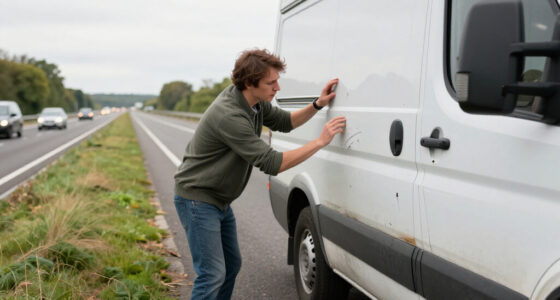
At Virginia International Raceway, the Yaris managed only one session before a clutch slave cylinder lost fluid and left Joey unable to shift. After the car was towed off the track and repaired using repurposed hood bolts, it was ready for more laps and the remaining road-trip miles. The account does not say the car’s later reliability was independently assessed.
The Purchase Price Was Only the Start
The comparison matters to anyone weighing a long rental against buying a low-cost used car for temporary transportation. A purchase can leave the buyer with an asset after the trip, but it also brings repair costs, time spent finding parts and breakdown risk—factors that can outweigh an apparent discount at the point of sale.
Joey’s result is specific to one aging car, one trip and a plan that included track use. It does not establish that buying a used economy car is generally more expensive than renting. In this case, though, the $300 initial saving was not a reliable measure of the overall cost, and the Yaris’s extra value to Joey included a future regional runabout and time-attack project, not just transportation.
Products Worth Considering

Autel MaxiCheck MX808S Bidirectional OBD2 Diagnostic Scanner

Chemical Guys Arsenal Builder Car Wash Kit with Foam Cannon and Carry Bag

Chemical Guys 14-Piece Arsenal Builder Car Wash Kit with Foam Blaster
As an affiliate, we earn on qualifying purchases.
A Rental Alternative With Different Limits
The original question in The Drive report was whether someone facing an extended need for a vehicle might be better off buying a cheap used car than renting. Joey’s circumstances were unusual: he needed a car for a Midwest road trip and planned to take it on track. The source says that track use can be problematic with rental companies, which influenced his decision to buy.
The comparison provided is between the Yaris’s $2,300 sticker price and the expected rental price, which was $300 higher. It is not a full cost comparison: the report gives no rental contract terms, insurance costs, taxes, fuel expenses, resale value or exact repair bill. It also notes that Joey intended to keep developing the car, meaning some spending could serve a longer-term project rather than only the trip.
““Sticker price for the five-speed hatchback? $2,300—$300 less than he would have paid for a round-trip rental.””
— The Drive report
The Final Cost Was Not Itemized
The source does not provide an exact final spending total or a breakdown of the Yaris’s repairs, parts, towing or other trip expenses. It also does not state whether the rental estimate included insurance, fees or other charges, so the two options cannot be compared on a complete, like-for-like basis.
It remains unclear how much the car was worth after the trip, whether it needed further repairs, and how much of the spending was intended for Joey’s longer-term project. The reported breakdown involved a clutch slave cylinder, but the account does not establish that every older used car—or even every Yaris—would face similar problems.
The Yaris May Serve Beyond the Trip
Joey’s stated goal was to turn the Yaris into a regional runabout and time-attack car, so the trip was also a test of a project vehicle. The Drive account says the car was ready for the remaining road-trip miles after the trackside repair, but it gives no later update on the car’s condition, total cost of ownership or subsequent track use.
For readers making a similar decision, the next step is to compare a rental quote with a used car’s likely repairs and other ownership costs, while accounting for how long the vehicle will be kept and whether it will have value afterward. Joey’s experience offers a cautionary case, not a general price verdict: the reported information is not enough to determine which option would be cheaper for another driver.
Key Questions
Was the Yaris cheaper than the rental?
Not within Joey’s original budget. The $2,300 purchase price was $300 below the expected rental price, but repairs and other spending took him above his budget. The report does not give a final total, so the exact difference is unknown.
Why did Joey buy a car instead of renting?
He planned to drive around 3,000 miles and finish with track time. The Drive report says track use can be a problem with rental companies, making a personally owned car a practical option for his plans.
What broke during the track session?
The Yaris’s clutch slave cylinder lost fluid during its first session at Virginia International Raceway, leaving Joey unable to shift. The car was towed off-track and repaired, according to The Drive.
Does this show that buying is usually more expensive?
No. It describes one used car and one trip, without a complete rental-cost comparison, itemized repair bill or resale value. The case shows that a low purchase price does not account for all costs, but it cannot determine which choice is generally cheaper.
Source: thedrive.com