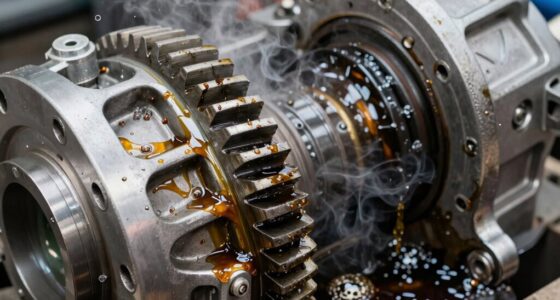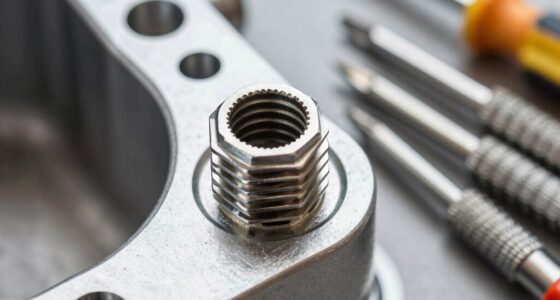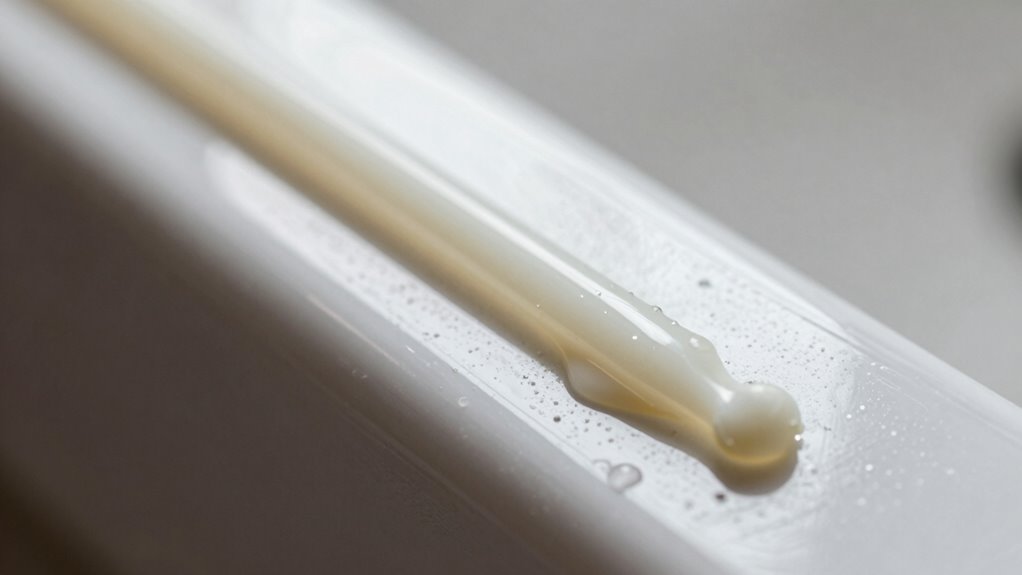

When RTV silicone leaks overnight, it’s usually because it didn’t fully cure before pressure or moisture caused it to shift or weaken. Silicone needs at least 24 hours, and sometimes longer, depending on thickness and conditions, to properly set and form a leak-proof seal. Rushing this step can trap uncured material, leading to leaks or weak bonds. Keep in mind, waiting and following proper curing tips can help you achieve a solid, durable seal. Want to understand exactly why rushing causes issues?

Get business pricing on garage and car supplies
- Business-only prices and quantity discounts
- Tax-exempt purchasing
- Multiple users, one account, clear invoices
Key Takeaways
- RTV silicone often requires 24-48 hours to fully cure; rushing this can lead to leaks.
- Applying a thick bead or improper thickness delays curing and traps air, increasing leak risk.
- Ambient conditions like humidity and temperature significantly affect cure time, so rushing under poor conditions causes leaks.
- Touching or handling silicone before full cure weakens the seal and can result in overnight leaks.
- Visual firmness is unreliable; proper cure time and environmental conditions are essential for a leak-proof seal.
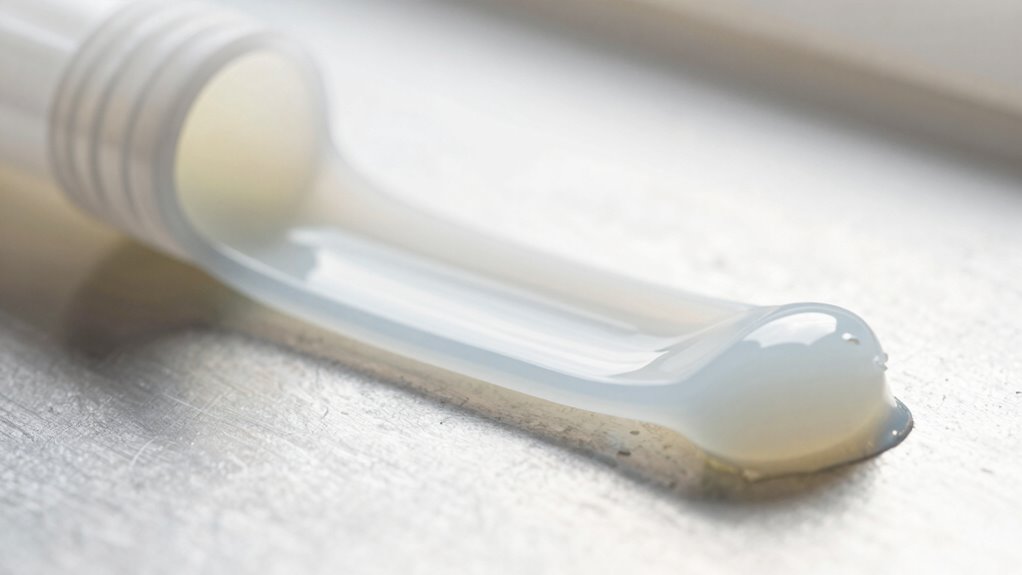
Ever wondered how long you should wait for RTV silicone to fully cure before handling or applying pressure? It’s a common question, especially when you’re eager to finish a repair or project. The answer depends on several factors, including the type of RTV silicone, the thickness of the application, and ambient conditions like temperature and humidity. Generally, most RTV silicone takes about 24 hours to cure enough to handle lightly, but full cure can take up to 48 hours or more. Rushing this process can lead to issues like leaks or compromised adhesion, which is why understanding cure time is essential.
When it comes to application tips, patience is key. Make sure you follow the manufacturer’s recommended cure time rather than rushing to use the silicone prematurely. A common mistake people make is touching or applying pressure too early, thinking it’s dry or cured enough. This can cause the silicone to shift or not bond properly, leading to leaks or failure of the seal. Also, confirm you’re applying the silicone in a clean, dry environment. Excess moisture or dust can interfere with curing and adhesion, creating weak spots that might leak later on.
Another mistake to avoid is applying too thick a layer of RTV silicone. While it might seem like a good idea to build up a thicker bead for extra sealing power, this actually prolongs the cure time and increases the chance of trapping air bubbles. These bubbles can create weak points that are prone to leaks. Instead, apply a thin, even layer and let it cure fully before adding more if needed. Additionally, always read the specific product’s instructions, as some RTV silicones contain additives that affect curing time or require specific environmental conditions.
You should also keep in mind that environmental factors greatly influence cure times. High humidity or low temperatures can slow down the process, making it necessary to wait longer before handling or applying pressure. Conversely, warm, dry conditions can speed up curing times but still don’t justify rushing the process. Never skip steps or assume the silicone is cured just because it feels firm to the touch; visual cues aren’t reliable indicators of full cure. Proper curing conditions are essential for ensuring the silicone reaches its maximum strength and durability.
Ultimately, patience and proper technique save you from headaches down the line. Knowing the right cure time, avoiding common mistakes, and following application tips will ensure your RTV silicone seals are durable and leak-proof. Remember, the “overnight” cure time is a guideline, but always give it a little extra time if you’re unsure, so you don’t end up dealing with leaks or rework later.
As an affiliate, we earn on qualifying purchases.
Frequently Asked Questions
Can RTV Silicone Cure Faster With Heat?
Yes, you can accelerate RTV silicone curing with heat application. Applying gentle heat speeds up the chemical reaction, reducing curing time substantially. Use a heat gun or a warm environment to promote faster curing, but avoid overheating, which can damage the silicone or affect its properties. Keep the temperature moderate to ensure proper curing without compromising adhesion or flexibility.
Does Curing Time Vary With Different RTV Brands?
Ironically, your RTV curing time can indeed vary with different brands, despite promises of consistency. You might think all RTV silicone cures the same, but brand differences influence curing speed due to formulation nuances. So, if you’re in a rush, don’t just pick any brand blindly. Stick to a trusted one for predictable curing times, ensuring your project stays on schedule rather than unexpectedly leaking overnight due to inconsistent curing.
Is It Safe to Expose RTV to Water During Curing?
It’s not safe to expose RTV to water during curing because water exposure can jeopardize the adhesive’s integrity, leading to weak or failed bonds. Safety concerns also arise since water can cause uneven curing or contamination. To guarantee proper curing and safety, keep the RTV dry and avoid contact with water until the recommended cure time has fully elapsed. This helps maintain the seal’s strength and reliability.
How Do Humidity Levels Affect RTV Cure Time?
Imagine humidity as a slow-moving river that can either help or hinder your RTV curing process. High humidity impacts curing time by introducing moisture that causes delays, like a boat stuck in slow-moving water. Too much humidity can extend the curing delays, making your sealant take longer to set properly. To avoid this, keep humidity levels managed, and you’ll ensure a smooth, timely cure without unexpected leaks.
Can RTV Cure Be Accelerated by Thin Application Layers?
Yes, RTV cure can be accelerated by applying thinner layers, as this allows the silicone to cure more quickly. Make sure you properly prepare the surface to guarantee good adhesion, which also helps speed up the process. Avoid thick application layers, as they take longer to cure and are more prone to leaks. Proper surface prep combined with thin, even application layers results in faster curing and a more reliable seal.
As an affiliate, we earn on qualifying purchases.
Conclusion
So, next time your RTV leaks overnight, remember—patience is your best tool. Rushing the cure time is like planting seeds in winter; it’s doomed to fail. Trust the process, follow the instructions, and give it the time it needs. Because in the world of sealing, patience isn’t just a virtue—it’s your secret weapon. When you wait, you’re not just curing RTV, you’re sealing success itself.
As an affiliate, we earn on qualifying purchases.
As an affiliate, we earn on qualifying purchases.
Fall Picks
fall essentials
As an affiliate, we earn on qualifying purchases.