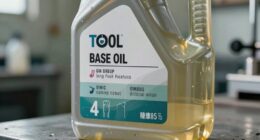

ISO 4406 simplifies how you measure hydraulic fluid cleanliness by using specific contamination codes based on particle counts. These codes help you predict gear and equipment issues before they happen, protecting your machinery from damage. Keeping an eye on these codes allows you to prevent costly failures and extend your gearbox’s lifespan. Curious how this system works and how it can improve your maintenance? Keep exploring to discover more about making your gearbox runs smoother and longer.
Key Takeaways
- ISO 4406 quantifies hydraulic fluid cleanliness by counting particles of specific sizes, predicting potential gearbox issues.
- Higher ISO 4406 codes indicate increased contamination, which can cause gear wear and premature failures.
- Regular monitoring of ISO 4406 levels helps detect contamination early, preventing costly gearbox repairs.
- Maintaining low ISO 4406 codes through filtration and maintenance extends gearbox lifespan and improves reliability.
- Understanding and interpreting ISO 4406 codes enables proactive contamination control, reducing gearbox pain and downtime.
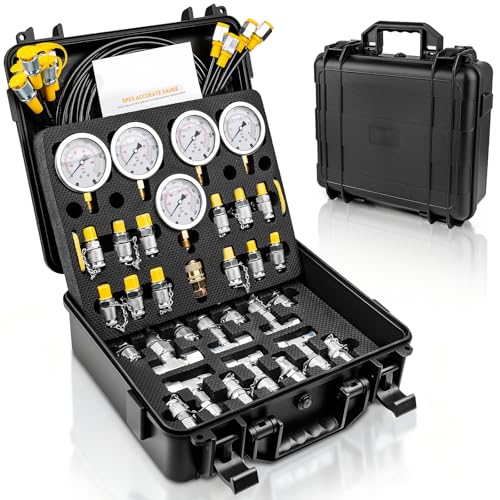
Hydraulic Pressure Test Kit, 5 Gauges 10–600 Bar/150–10 000 PSI, 13 Test Couplings 14 Tee Connectors 5 Hoses, Hydraulic Test Gauge Kit in Case for Excavator Construction Machinery Pressure Tester
WIDE COMPATIBILITY: Works with most excavator brands and hydraulic machinery. Suitable for construction, mining, industrial, marine, and petroleum…
As an affiliate, we earn on qualifying purchases.
As an affiliate, we earn on qualifying purchases.
What Is ISO 4406 and Why Is It Important for Gearbox Maintenance?
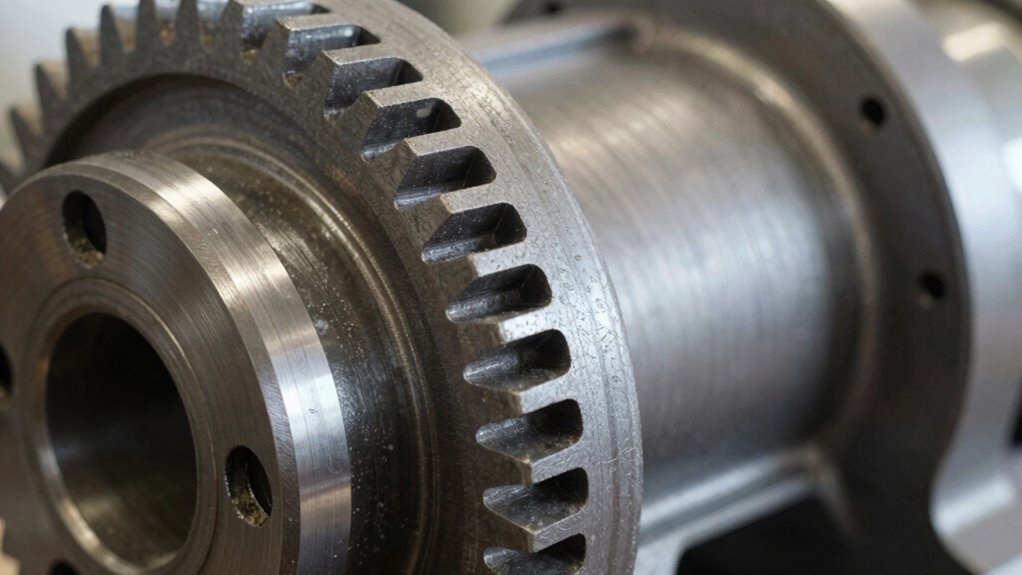
ISO 4406 is a standard that measures the cleanliness of hydraulic fluids by counting the number of particles of different sizes in the fluid. This code plays a crucial role in lubrication standards, helping you maintain ideal contamination control. When you monitor the ISO 4406 cleanliness code, you get a clear picture of how clean your gearbox oil is, which directly impacts equipment reliability. By adhering to this standard, you can identify contamination early, preventing damage and reducing downtime. Proper contamination control ensures the gearbox operates smoothly, extending its lifespan. Keeping your hydraulic fluids within recommended ISO 4406 levels is essential for effective lubrication and avoiding costly repairs. In short, ISO 4406 guides you in maintaining clean fluids, safeguarding your machinery’s performance. Understanding particle counts and how they relate to ISO 4406 can help optimize maintenance schedules for better equipment longevity. Additionally, regular monitoring of contamination levels can alert you to potential issues before they cause significant damage, further supporting reliable operation. Implementing contamination control measures based on ISO 4406 readings can significantly improve your machinery’s overall performance and lifespan.
ISO 4406 contamination monitor
As an affiliate, we earn on qualifying purchases.
As an affiliate, we earn on qualifying purchases.
How Contamination Levels Affect Gearbox Performance
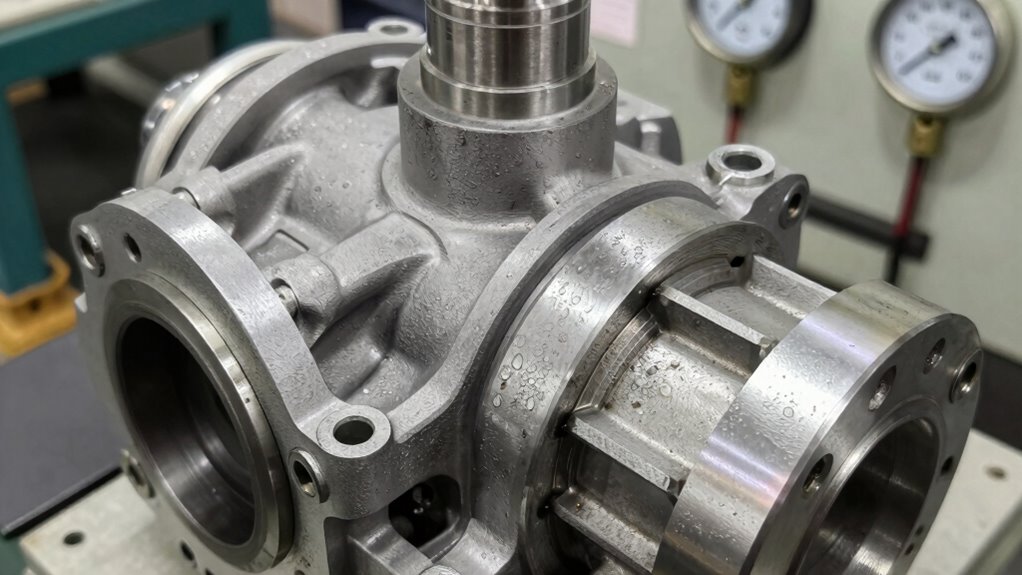
Contamination levels in your gearbox directly influence its performance and lifespan. Excess contamination from sources like dirt, metal particles, or water diminishes lubricant purity, leading to increased wear and potential failures. When contaminants enter your gearbox, they can cause abrasion of gears and bearings, decreasing efficiency and causing premature breakdowns. High contamination levels also affect lubricant film strength, resulting in metal-to-metal contact. Maintaining low contamination levels ensures lubricant remains pure and effective, protecting critical components. Regularly monitoring contamination levels helps you identify issues early and take corrective action, ensuring your gearbox operates smoothly and lasts longer. Measurement tools are essential for accurately assessing contamination levels and preventing costly damage. Additionally, controlling contamination is crucial in preventing gear wear and extending the operational life of your machinery.

Yumfugu 1 PC Automobile Transmission Filter, Gearbox Filter Oil Grid In-line Filter, Automatic Transmission Filter Element OEM Standard Replacement 25430-PLR-003, Compatible with Honda Acura (Black)
Excellent Workmanship: This transmission filter has an integrated design, the interface is well-made, neat and smooth without burrs,…
As an affiliate, we earn on qualifying purchases.
As an affiliate, we earn on qualifying purchases.
How ISO 4406 Codes Are Measured and What They Mean
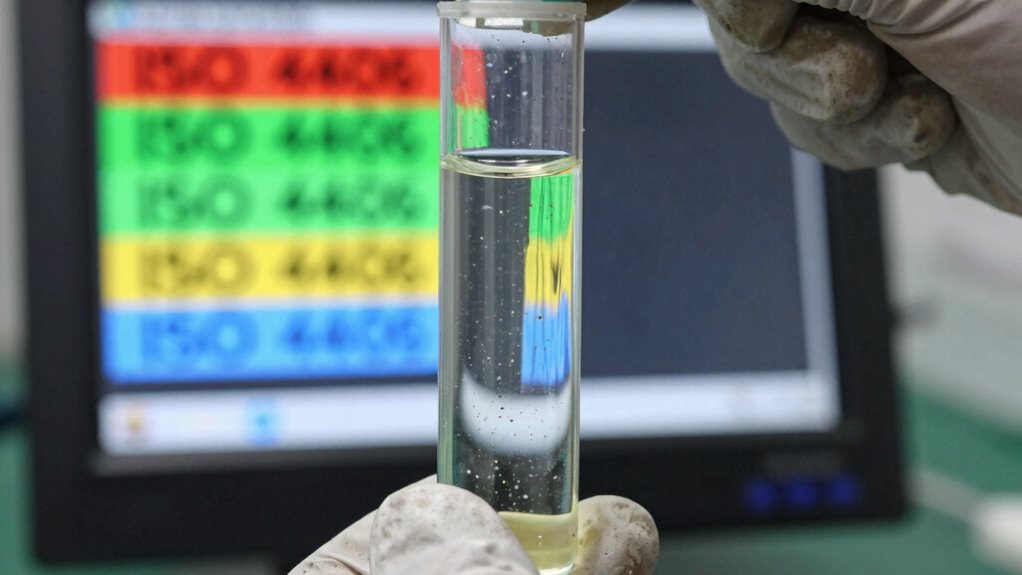
Understanding how ISO 4406 codes are measured is key to effectively monitoring contamination levels in your equipment. The process involves analyzing lubricant filtration samples to count particles of specific sizes, typically 4, 6, and 14 microns. These particle counts are then converted into a numerical code, reflecting contamination sources like dirt, wear debris, or other impurities. The ISO 4406 standard assigns three numbers that denote the counts of particles within different size ranges. A higher code indicates greater contamination, signaling the need for improved filtration or maintenance. This measurement helps you establish a contamination baseline and track changes over time. Additionally, standardized measurement methods ensure consistency and accuracy when comparing contamination levels across different equipment and time periods. Accurate particle counting is essential for reliable data interpretation and effective decision-making regarding maintenance schedules. By understanding what these codes mean, you can make informed decisions to maintain ideal lubricant cleanliness and prevent gearbox failures. Regular calibration of measurement tools also enhances the measurement accuracy, ensuring data remains reliable over long-term monitoring.

ISO 11171:1999, Hydraulic fluid power — Calibration of automatic particle counters for liquids
As an affiliate, we earn on qualifying purchases.
As an affiliate, we earn on qualifying purchases.
Benefits of Monitoring ISO 4406 Cleanliness Codes
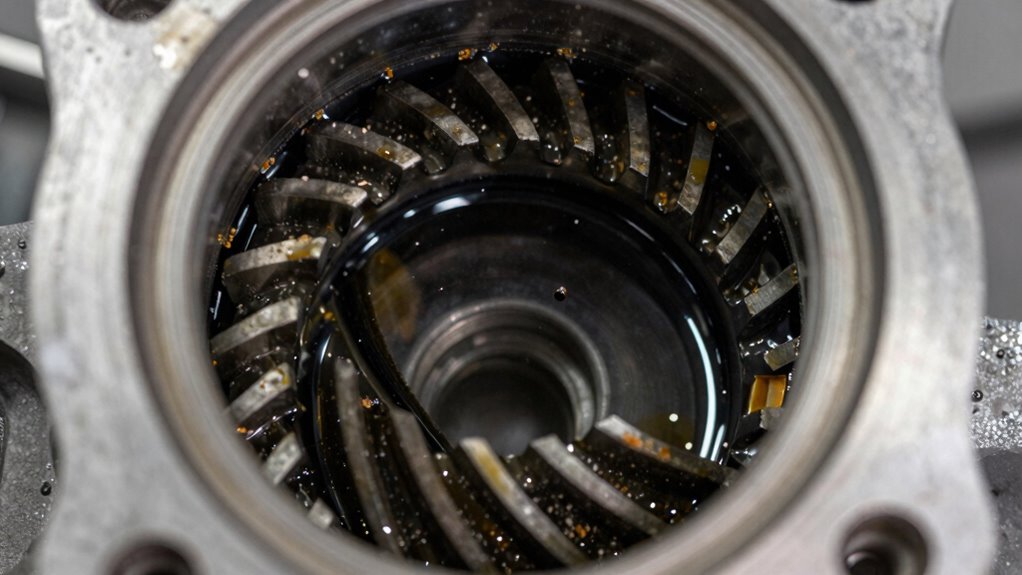
Monitoring ISO 4406 cleanliness codes helps you prevent equipment failures and keep your machinery running smoothly. By staying on top of contamination levels, you can extend the lifespan of your equipment and avoid costly repairs. Additionally, consistent monitoring reduces maintenance costs and boosts overall operational efficiency. Incorporating proper equipment maintenance techniques can further enhance machinery performance. Regularly calibrating sensors ensures accurate contamination measurements and reliable data collection. Implementing contamination control strategies can also help maintain optimal machinery performance and reduce downtime. Being aware of contamination thresholds allows for more proactive management of machinery health and prevents unexpected breakdowns. Understanding ISO 4406 standards is crucial for establishing effective contamination limits and ensuring reliable operations.
Prevents Equipment Failures
By regularly checking ISO 4406 cleanliness codes, you can catch potential issues before they cause equipment failures. Monitoring these codes helps you identify contamination early, allowing you to enhance lubricant filtration and improve contamination control. This proactive approach prevents abrasive particles from damaging gears, bearings, and seals, reducing costly downtime. Incorporating smart lock technology can further safeguard your equipment from unauthorized access and tampering. Understanding contamination control principles is essential for maintaining equipment longevity and performance. Regularly evaluating contamination levels helps you stay ahead of potential problems and ensures your machinery operates optimally. Avoids breakdowns caused by contaminated lubricants. Maintains ideal equipment performance. Reduces repair and replacement costs. Staying vigilant with cleanliness codes ensures your machinery runs smoothly and reliably. Contamination control becomes more effective, minimizing wear and tear. Regular checks give you the chance to adjust filtration systems before issues escalate, protecting your investment and keeping operations on track.
Extends Machinery Lifespan
Regularly checking ISO 4406 cleanliness codes directly contributes to extending your machinery’s lifespan. When you monitor these codes, you ensure optimal lubricant purity, preventing abrasive particles from damaging components. Maintaining proper cleanliness supports filter efficiency, reducing system stress and wear. This proactive approach minimizes corrosion and corrosion-related failures, keeping parts functioning smoothly longer. Improved cleanliness also helps your machinery operate at peak performance, delaying the need for costly replacements. By consistently tracking ISO 4406 levels, you catch contamination issues early, preserving lubrication quality and preventing premature breakdowns.
| ISO 4406 Level | Effect on Machinery |
|---|---|
| Low | Longer lifespan, less wear |
| High | Increased risk of failure |
| Consistent | Sustained equipment health |
| Fluctuating | Potential damage, early wear |
Reduces Maintenance Costs
Keeping ISO 4406 cleanliness levels in check can substantially lower your maintenance costs. By monitoring these codes, you ensure lubricant purity and optimize filter efficiency, preventing dirt buildup that can damage components. Cleaner oils reduce wear and minimize unexpected breakdowns, saving you money on repairs and replacements. Additionally, maintaining proper cleanliness levels extends oil change intervals, decreasing downtime and operational expenses. Regularly tracking ISO 4406 codes allows you to identify contamination issues early, so you can take corrective action before costly damage occurs. This proactive approach guarantees your machinery runs smoothly and efficiently. Monitoring filter effectiveness helps you maintain optimal cleanliness levels and prevents costly failures. Implementing contamination control strategies further enhances your ability to avoid unexpected downtime and extend equipment lifespan. Understanding the importance of contamination monitoring can significantly improve your maintenance strategy and equipment longevity. Proper contamination detection techniques enable you to respond swiftly to potential issues before they escalate. Incorporating ISO 4406 standards into your maintenance protocol also fosters a culture of proactive maintenance, ensuring longevity and reliability.
How to Read and Interpret ISO 4406 Codes
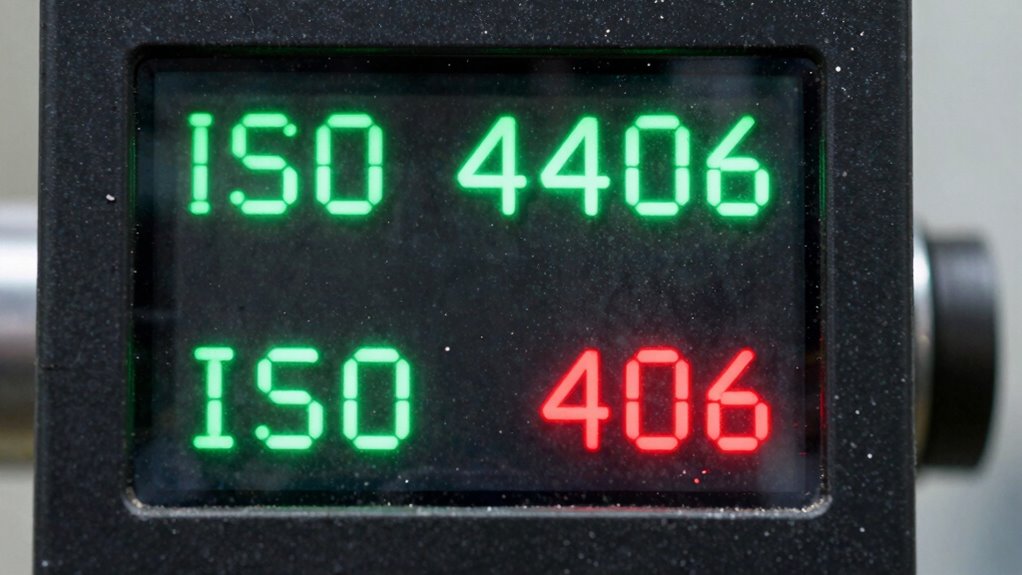
Understanding how to read ISO 4406 codes is essential for evaluating hydraulic fluid cleanliness. These codes use three numbers to describe the level of lubricant contamination, indicating how many particles of various sizes are present. The first number reflects the count of particles larger than 4 microns, the second for particles over 6 microns, and the third for particles over 14 microns. Lower numbers mean cleaner fluid, aligning with strict cleanliness standards. To interpret these codes accurately, compare them to the recommended cleanliness levels for your equipment. If your codes exceed those standards, it’s a sign to take action, like filtering or replacing fluid. Mastering this process helps you predict potential gearbox issues before they cause costly damage.
Using ISO 4406 Data to Keep Your Gearbox Clean and Healthy
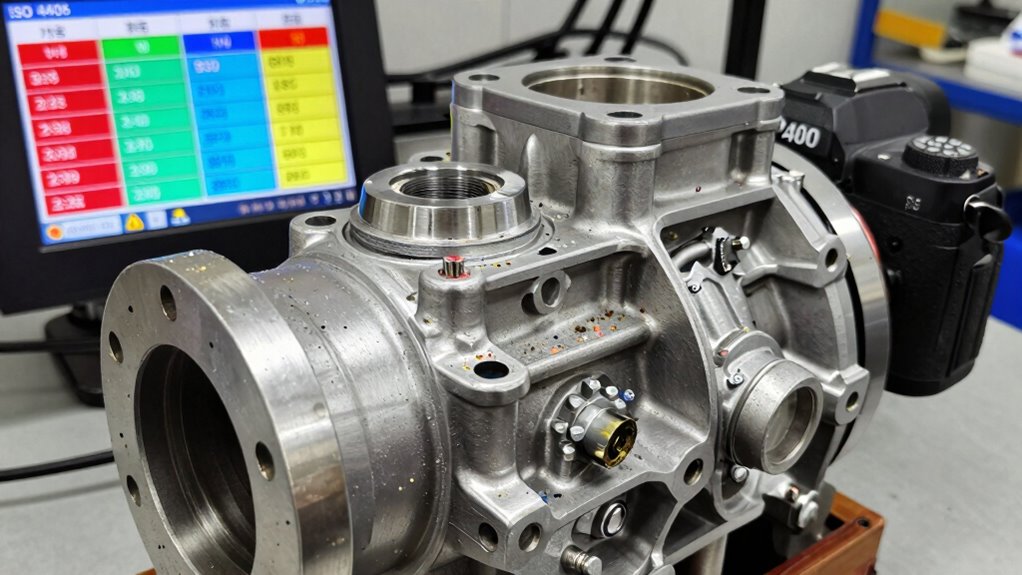
Using ISO 4406 data effectively can directly improve your gearbox’s performance and lifespan. By monitoring contamination levels, you can take proactive steps to reduce lubricant contamination and prevent damage. Regularly analyze ISO 4406 codes to identify when filtration efficiency needs adjustment, ensuring filters are working at peak performance. This ongoing process helps maintain cleaner lubricant, minimizing wear and unexpected breakdowns. Additionally, understanding media literacy can enhance your ability to interpret technical data accurately, ensuring better decision-making. Implementing these practices keeps your gearbox clean, reduces lubricant contamination, and extends component life, saving you costly repairs.
Common Mistakes When Using ISO 4406 for Maintenance

One common mistake is misinterpreting the ISO 4406 code levels, which can lead to incorrect maintenance decisions. Ignoring contextual factors, like operating conditions or equipment type, can also skew your understanding of contamination levels. To get the most accurate results, you need to take into account both the code and the specific circumstances of your machinery.
Misinterpreting Code Levels
Misinterpreting ISO 4406 code levels can lead to costly maintenance mistakes. You might assume a certain code indicates acceptable contamination levels, but without understanding the nuances, you risk overlooking issues that harm equipment. Common mistakes include ignoring contamination sources, misreading measurement techniques, and assuming code levels are static. For example, contamination can come from dirty filters, improper sampling, or faulty measurement tools. If you misinterpret the code, you might delay necessary filtration or maintenance, increasing wear and damage. Always consider how contamination sources affect readings and ensure measurement techniques are accurate. Correctly understanding ISO 4406 codes helps you make informed decisions, preventing unnecessary downtime and extending equipment life. Don’t rely solely on numbers—know what they truly mean for your machinery.
Ignoring Contextual Factors
Ignoring the broader context surrounding ISO 4406 codes can lead to faulty maintenance decisions. Environmental factors, like temperature and humidity, influence contamination levels and should be considered when evaluating cleanliness. Without accounting for these conditions, you might misjudge the severity of contamination or overlook necessary adjustments. Additionally, operator training plays a vital role; untrained personnel may misinterpret code levels or ignore contextual cues, leading to improper responses. Relying solely on ISO 4406 without considering environmental influences or ensuring operators understand how to interpret the codes can result in unnecessary part replacements or overlooked issues. To optimize maintenance, you must view ISO 4406 as part of a larger system, integrating environmental and operational factors for accurate assessments and effective decision-making.
Real-World Cases: Preventing Gearbox Failures With ISO 4406
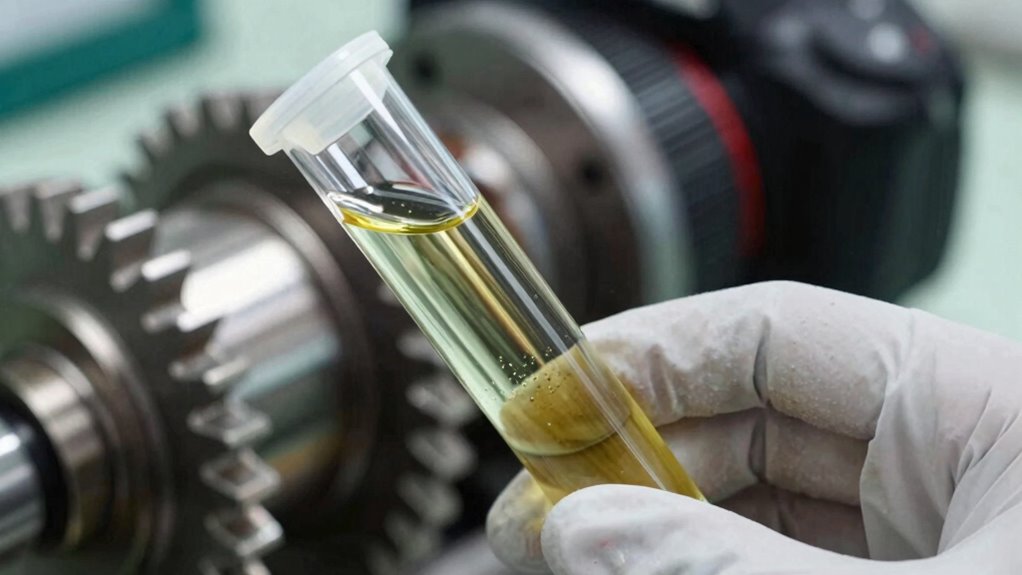
Implementing ISO 4406 cleanliness standards has proven essential in preventing gearbox failures across various industries. By adhering to proper lubrication standards and contamination control, companies have markedly reduced downtime and repair costs. Real-world cases show that monitoring fluid cleanliness levels helps identify contamination early, preventing severe damage.
- A manufacturing plant avoided costly gearbox replacements by maintaining ISO 4406 levels within recommended limits.
- An agricultural operation minimized unexpected breakdowns by implementing routine contamination control checks.
- A construction firm improved gear longevity through proactive filtration and fluid monitoring aligned with ISO 4406 standards.
These examples highlight how strict cleanliness protocols, based on ISO 4406, can prevent gearbox failures, extend equipment life, and boost operational efficiency.
How to Start Monitoring ISO 4406 in Your Maintenance Program

Starting to monitor ISO 4406 in your maintenance program is a straightforward process that begins with establishing a baseline for fluid cleanliness through lubricant analysis. Perform regular sampling to assess particle counts and determine your current ISO 4406 code. This initial data helps you identify areas for improvement and set realistic cleanliness targets. Next, evaluate your filter efficiency to ensure your filtration system effectively reduces contaminants. Consistently tracking particle levels allows you to identify trends and predict potential gearbox issues before failure occurs. Incorporate routine lubricant analysis and ISO 4406 monitoring into your preventive maintenance schedule. By doing so, you gain better control over fluid cleanliness, extend equipment life, and improve overall operational reliability.
Frequently Asked Questions
How Often Should ISO 4406 Cleanliness Testing Be Performed?
You should perform ISO 4406 cleanliness testing regularly, ideally during your lubrication maintenance schedule, to guarantee effective contamination control. For critical machinery, testing every month or after any fluid change is recommended, while less sensitive equipment may need quarterly checks. Consistent testing helps identify contamination early, preventing gearbox failure and maintaining peak performance. Adapting testing frequency based on operating conditions keeps your machinery reliable and reduces costly repairs.
Can ISO 4406 Levels Be Used to Predict Specific Gearbox Component Failures?
Coincidences happen when ISO 4406 levels align with signs of component wear, making them useful for predictive maintenance. You can often use these cleanliness codes to spot early indications of specific gearbox component failures. Regular monitoring helps you identify patterns, so you act before problems escalate. While ISO 4406 alone isn’t definitive, it provides valuable clues that, combined with other data, improve your chances of preventing costly failures.
What Equipment Is Needed to Measure ISO 4406 Contamination Levels Accurately?
To measure ISO 4406 contamination levels accurately, you’ll need a particle counter, which uses specific sampling techniques like proper filtration and consistent sample volume. Guarantee your equipment is calibrated regularly with calibration standards to maintain accuracy. Additionally, use clean, properly prepared sampling containers and follow standardized procedures to prevent contamination. This approach guarantees reliable readings and helps you better predict gearbox health and prevent failures.
How Does ISO 4406 Compare to Other Contamination Measurement Standards?
Like steering through a map, comparing ISO 4406 to other contamination standards helps you understand measurement accuracy and reliability. ISO 4406 is widely recognized for its consistency and clarity in quantifying contamination levels, making it easier to predict gear oil lifespan. While some standards may focus on specific contaminants, ISO 4406 offers an all-encompassing approach, ensuring you get accurate, comparable data to maintain equipment health effectively.
Are There Industry Benchmarks for Acceptable ISO 4406 Levels in Gearboxes?
Yes, industry standards set contamination thresholds for ISO 4406 levels in gearboxes. Typically, acceptable ISO 4406 cleanliness levels are ISO 4406 16/14/11 or better, depending on equipment specifications. These benchmarks help you maintain ideal performance and prevent damage. Always check your equipment manufacturer’s recommendations and adhere to industry standards, ensuring your machinery operates efficiently and reduces downtime caused by contamination-related issues.
Conclusion
By keeping an eye on ISO 4406 cleanliness codes, you’re like a detective catching trouble before it escalates. Regular monitoring transforms potential gearbox failures into preventable incidents, saving you time and money. Don’t let contamination sneak up on you—think of ISO 4406 as your gearbox’s health report card. Stay proactive, interpret the codes correctly, and you’ll keep your machinery running smoothly, turning maintenance from a gamble into a sure-fire strategy.