
To set UOA alarm limits without guessing, start by calibrating your sensors regularly to guarantee accurate readings. Analyze historical oil data and trend reports to identify normal condition ranges, then adjust thresholds to detect early signs of deterioration without false alarms. Consider your equipment’s operating conditions, factoring in temperature and load variations. Implement tiered alarms for different urgency levels and review limits periodically. If you want to know more, this guide will guide you through the detailed process.

Get business pricing on garage and car supplies
- Business-only prices and quantity discounts
- Tax-exempt purchasing
- Multiple users, one account, clear invoices
Key Takeaways
- Use historical oil analysis data and trend analysis tools to establish data-driven, realistic alarm thresholds.
- Regularly calibrate sensors to ensure accuracy before setting or adjusting alarm limits.
- Consider operational variations like load, temperature, and environment to set adaptable, context-aware alarm levels.
- Implement a tiered alarm system to prioritize alerts and reduce false positives, refining thresholds over time.
- Continuously review and update alarm limits based on new data, equipment aging, and performance insights to maintain relevance.
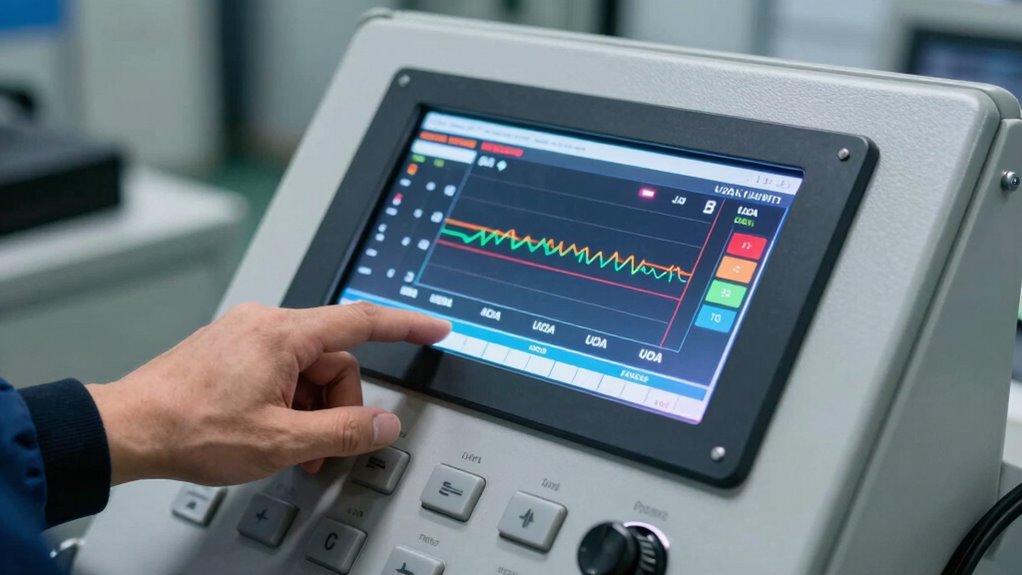
Setting UOA (Usage of Oil Analysis) alarm limits is a critical step in monitoring equipment health and preventing unexpected failures. Properly configured alarm limits alert you when oil condition indicators reach essential levels, enabling timely maintenance actions. To do this effectively, you need to understand how to set these limits accurately, avoiding guesswork and guaranteeing reliable detection.
Setting UOA alarm limits is vital for early detection and reliable equipment monitoring.
The first step involves sensor calibration. Calibration ensures that your sensors provide precise, trustworthy data. If sensors aren’t calibrated correctly, the readings can be misleading, leading to either false alarms or missed issues. Regular calibration checks are fundamental, especially after sensor replacements or maintenance. When calibrating, compare sensor outputs against known standards to verify accuracy. Proper calibration sets a solid foundation for establishing meaningful alarm thresholds.
Once your sensors are calibrated, the next task is alarm threshold adjustment. This process involves analyzing historical data to determine typical oil condition ranges under normal operation. You don’t want alarm thresholds set too tight, which could generate unnecessary alerts, or too loose, risking delayed responses to genuine issues. Use trend analysis tools and oil analysis reports to identify patterns and pinpoint critical values that indicate potential problems. Adjust the alarm thresholds to reflect these findings, ensuring they’re sensitive enough to detect early signs of deterioration without causing alarm fatigue.
It’s also essential to consider different operating conditions. Equipment often experiences fluctuations in load, temperature, or environmental factors, which can impact sensor readings. When setting alarm limits, account for these variations to prevent false alarms during normal operation. For example, if oil viscosity naturally changes with temperature, your thresholds should accommodate this variation rather than trigger alarms unnecessarily.
Furthermore, consider implementing a tiered alarm system. Set primary alarms for parameters that require immediate attention and secondary alarms for less critical deviations. This approach helps prioritize maintenance and prevents overwhelming your team with alerts. Regularly review and adjust alarm limits based on ongoing data collection, equipment performance, and new insights from oil analysis results.
Additionally, leveraging advanced data analysis techniques can improve the accuracy of alarm limit settings by identifying subtle trends and early warning signs. This supports proactive maintenance strategies and enhances overall reliability.
Finally, guarantee your alarm threshold adjustment process is documented and standardized. Consistent procedures make it easier to train personnel and maintain alarm system reliability over time. Remember, setting accurate UOA alarm limits isn’t a one-time task; it’s an ongoing process that adapts to equipment aging, operational changes, and emerging data. By focusing on sensor calibration and thoughtful alarm threshold adjustments, you create a robust monitoring system that helps catch issues early, optimize maintenance schedules, and extend equipment life.
oil analysis sensor calibration kit
As an affiliate, we earn on qualifying purchases.
As an affiliate, we earn on qualifying purchases.
Frequently Asked Questions
How Often Should UOA Alarm Limits Be Reviewed?
You should review your UOA alarm limits regularly, ideally every 3 to 6 months, based on oil analysis results and alarm calibration data. Frequent reviews guarantee the limits stay accurate and reflect the equipment’s current condition. If your oil analysis indicates unusual wear or contamination, update the alarm limits promptly. Consistent review helps prevent false alarms and optimizes maintenance, keeping your machinery running smoothly and efficiently.
Can UOA Alarm Limits Be Adjusted Remotely?
Yes, you can perform remote adjustment of UOA alarm limits using software automation. Many systems enable you to modify alarm thresholds conveniently from your device, eliminating the need for manual intervention. This flexibility guarantees you can respond quickly to changing conditions, optimize performance, and maintain safety. Just make certain your system supports remote adjustments, and regularly verify settings to avoid unintended alarms or missed alerts.
What Are the Consequences of Setting Incorrect UOA Alarm Limits?
Setting incorrect UOA alarm limits can lead to serious issues like missed oil contamination signs or false alarms, causing unnecessary maintenance or overlooked problems. You risk damaging your equipment if sensor calibration isn’t accurate, leading to unreliable readings. Properly calibrated sensors ensure alarm limits are effective, reducing risks and preventing costly downtime. Always double-check your limits to maintain ideal engine health and avoid costly mistakes.
How Do UOA Alarm Limits Vary Across Different Engine Types?
You’ll find that UOA alarm limits vary across engine types because each engine’s oil composition and specifications are unique. For example, high-performance engines often require stricter limits due to higher operating stresses, while diesel engines might have different wear patterns. Always consider your engine’s specifications and the oil’s composition when setting alarm limits, ensuring you get accurate, reliable alerts tailored to your specific engine needs.
Is There Software to Help Automate UOA Alarm Limit Settings?
You’ll find software that automates UOA alarm limit settings, simplifying sensor calibration and maintenance scheduling. These tools analyze historical data to set precise limits, reducing guesswork. Imagine not having to manually adjust alarms, saving time and avoiding false alerts. Such software continuously learns from your engine’s performance, ensuring best monitoring. By automating these processes, you get reliable results and extend engine life without the hassle of constant manual adjustments.
equipment oil condition monitoring system
As an affiliate, we earn on qualifying purchases.
As an affiliate, we earn on qualifying purchases.
Conclusion
By setting clear UOA alarm limits, you establish a safety net, a guiding line, a proactive measure. You avoid guesswork, reduce risks, and guarantee timely responses. You create consistency, build confidence, and maintain control. With precise limits, you stay informed, stay prepared, and stay ahead. Ultimately, setting accurate alarm limits empowers you to manage your system effectively, protect your assets, and achieve peace of mind—making your operations safer, smarter, and more reliable.
tiered alarm system for industrial sensors
As an affiliate, we earn on qualifying purchases.
As an affiliate, we earn on qualifying purchases.
trend analysis tools for oil monitoring
As an affiliate, we earn on qualifying purchases.
As an affiliate, we earn on qualifying purchases.
Fall Picks
fall essentials
As an affiliate, we earn on qualifying purchases.