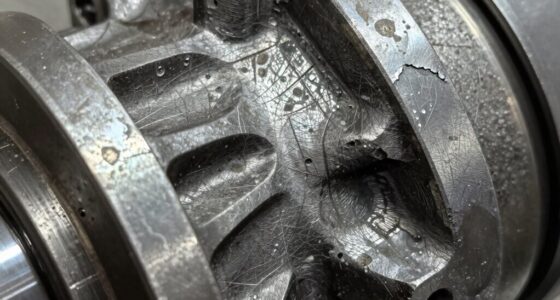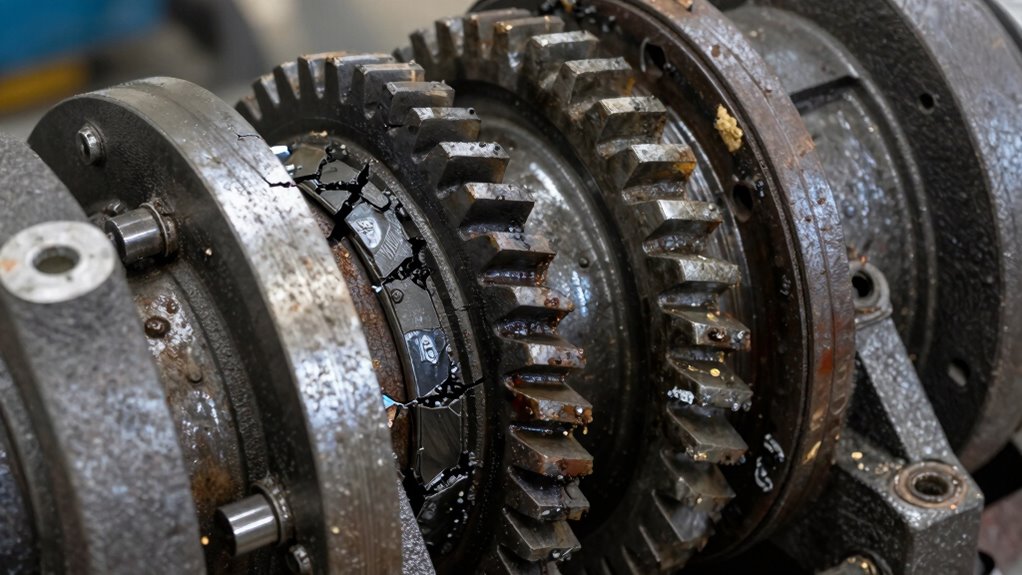

Understanding industrial gearbox failure patterns reveals that the top causes include lubrication problems, misalignment, excessive friction, gear tooth pitting, contamination, overloading, and bearing failures. These issues often stem from improper maintenance, installation errors, or operational stresses. Addressing these root causes early can prevent costly downtime and extend your equipment’s lifespan. To keep your gearboxes performing reliably, exploring these failure patterns further will provide valuable insights for proactive management.

Get business pricing on garage and car supplies
- Business-only prices and quantity discounts
- Tax-exempt purchasing
- Multiple users, one account, clear invoices
Key Takeaways
- Lubrication issues, including contamination and insufficient levels, lead to increased friction and gear wear.
- Misalignment of shafts causes uneven load distribution, accelerating component fatigue and failure.
- Excessive vibration and temperature rise often indicate early signs of gear and bearing damage.
- Poor maintenance practices, such as irregular inspections and improper adjustments, contribute to premature failures.
- Gear tooth pitting and chipping result from lubrication breakdown and misalignment, compromising system integrity.
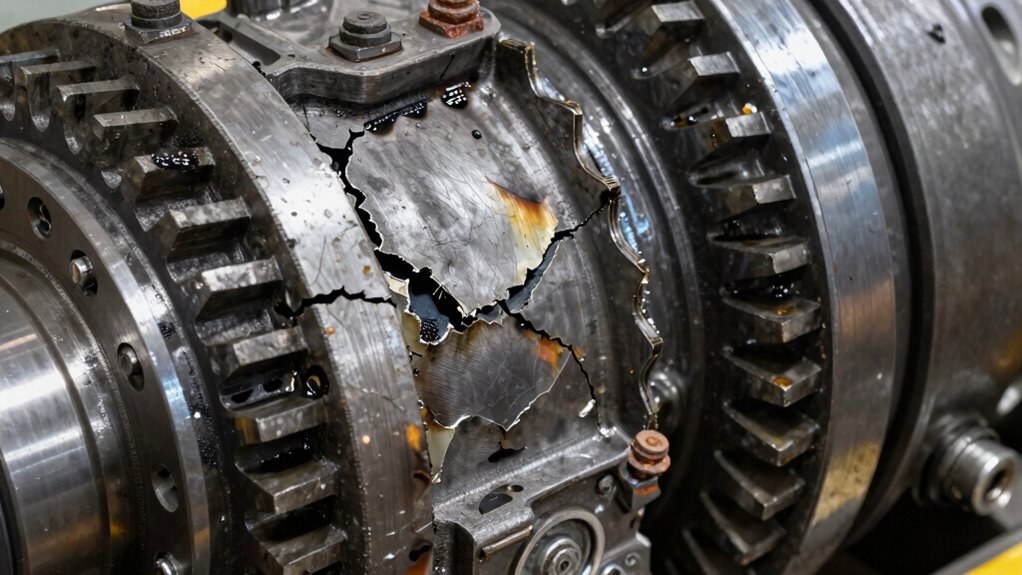
Understanding the failure patterns of industrial gearboxes is crucial for preventing costly downtime and repairs. When gearboxes fail prematurely, it often results from common issues like lubrication problems and misalignment. Recognizing these patterns allows you to address potential faults before they escalate, saving time and money. Lubrication issues are among the most frequent culprits. If you neglect proper lubrication, the gearbox components experience increased friction, leading to accelerated wear and eventual failure. Insufficient or contaminated lubricant can cause overheating, pitting, and scoring of gear teeth, which compromises the entire system’s integrity. Regularly checking lubricant levels, ensuring the right type of oil is used, and changing it at recommended intervals are critical steps. Additionally, paying attention to lubricant condition helps detect early signs of contamination or degradation, enabling timely intervention.
Proper lubrication is essential to prevent gear wear and system failure.
Misalignment problems also play a significant role in gearbox failures. When shafts are misaligned, whether due to improper installation, foundation shifts, or operational stresses, it places uneven loads on gears and bearings. This uneven stress accelerates wear, increases vibration, and causes premature fatigue of components. Misalignment often leads to gear tooth chipping, bearing failures, and increased operational noise—clear signs you might need to realign the system. Preventing misalignment starts with precise installation and regular maintenance checks. You should regularly verify alignment during routine inspections, especially after any operational changes or repairs. Using proper alignment tools and techniques ensures the components remain properly aligned, reducing stress and extending the gearbox’s lifespan.
Understanding these failure patterns also involves noting how lubrication issues and misalignment problems often occur simultaneously. For example, misalignment can cause lubricant to distribute unevenly, leading to localized wear and increased heat generation. Conversely, poor lubrication can cause components to expand or warp, making alignment more difficult and prone to shifting. Being vigilant about both aspects helps you catch early warning signs and implement corrective measures before significant damage occurs. Don’t overlook the importance of vibration analysis, temperature monitoring, and visual inspections—these can reveal subtle signs of misalignment or lubrication failure. Additionally, monitoring gearbox condition through advanced diagnostics can help detect early signs of impending failure, allowing for proactive maintenance.
In essence, getting familiar with these failure patterns empowers you to implement proactive maintenance strategies. By maintaining proper lubrication and ensuring correct alignment, you considerably reduce the risk of unexpected gear failures. This approach not only prolongs the lifespan of your gearboxes but also enhances operational efficiency, ultimately saving you from costly repairs and downtime. Recognizing the signs early and taking preventive action is your best defense against the top root causes of industrial gearbox failures.
industrial gearbox lubrication pump
As an affiliate, we earn on qualifying purchases.
As an affiliate, we earn on qualifying purchases.
Frequently Asked Questions
How Can Routine Maintenance Prevent Gearbox Failures?
Routine maintenance prevents gearbox failures by ensuring you perform regular preventive inspections and stick to proper lubrication schedules. By checking for early signs of wear, misalignment, or damage, you catch issues before they escalate. Proper lubrication reduces friction and overheating, extending your gearbox’s lifespan. Consistent maintenance helps you identify problems early, minimize downtime, and keep your equipment running smoothly, ultimately saving you money and avoiding costly repairs.
What Are the Signs of Imminent Gearbox Failure?
You’ll want to keep a close eye on signs like unusual vibrations and gear misalignment, which often scream trouble ahead. Vibration analysis is your best friend here, helping you catch early warning signs before disaster strikes. If you notice increased noise, overheating, or irregular gear movement, don’t ignore it—these are the writing on the wall. Acting quickly can save your gearbox from a costly breakdown, so don’t let it slide.
How Does Operating Temperature Affect Gearbox Lifespan?
You should know that high operating temperatures shorten your gearbox’s lifespan due to thermal expansion and material fatigue. As temperatures rise, components expand, causing stress and misalignment. Over time, this leads to cracks and wear, accelerating failure. Keeping temperatures within recommended limits helps prevent thermal expansion from damaging parts and delays material fatigue, ensuring your gearbox operates smoothly and lasts longer. Proper cooling is essential for best lifespan.
What Role Does Lubrication Quality Play in Gearbox Health?
Lubrication quality plays a vital role in your gearbox health. If contamination gets into the lubricant, it can cause increased wear and early failure. Maintaining proper lubricant viscosity ensures smooth operation and reduces friction. Poor lubrication can lead to overheating and damage, so you should regularly check for contamination and viscosity levels, and replace or filter the lubricant as needed to keep your gearbox running reliably and extend its lifespan.
When Should a Gearbox Be Replaced Instead of Repaired?
Ever wonder if it’s time to replace your gearbox instead of repairing it? When the gearbox’s lifespan nears its limit or failure indicators like persistent noise, excessive vibration, or slipping occur, replacement is often the best choice. If repairs become frequent or costly, it’s more practical to invest in a new unit. Replacing guarantees reliability and prevents unexpected downtime, ultimately saving you time and money in the long run.
As an affiliate, we earn on qualifying purchases.
Conclusion
Understanding these root causes is like having a map through a minefield—knowing where the pitfalls lie helps you avoid costly failures. By paying close attention to common patterns, you can spot trouble early and keep your gearboxes running smoothly. Remember, prevention is your best defense against unexpected breakdowns. Stay vigilant, maintain your equipment diligently, and you’ll navigate the industrial landscape with confidence, turning potential failures into opportunities for proactive success.
As an affiliate, we earn on qualifying purchases.
gearbox temperature monitoring sensor
As an affiliate, we earn on qualifying purchases.
As an affiliate, we earn on qualifying purchases.
Fall Picks
fall essentials
As an affiliate, we earn on qualifying purchases.