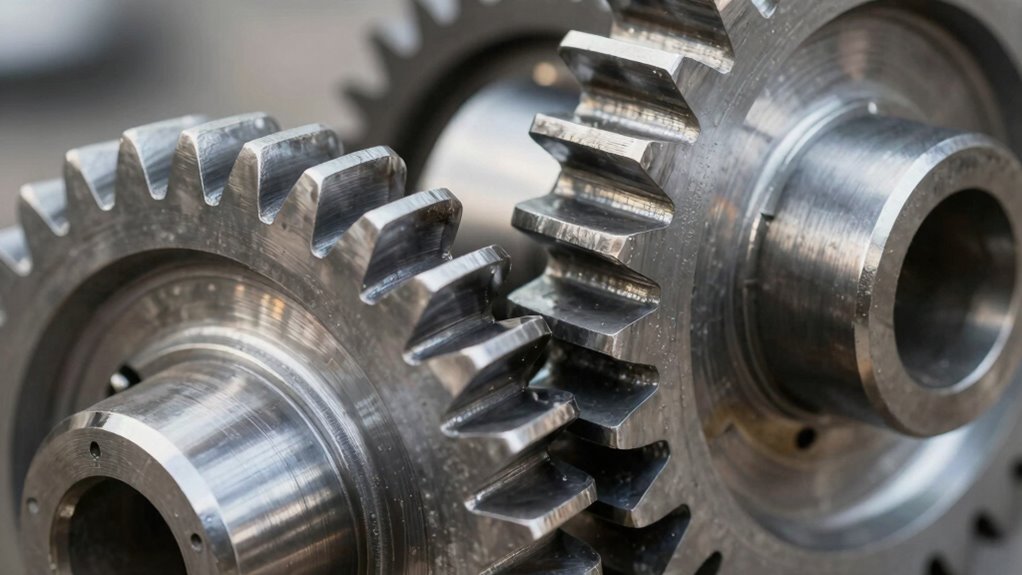
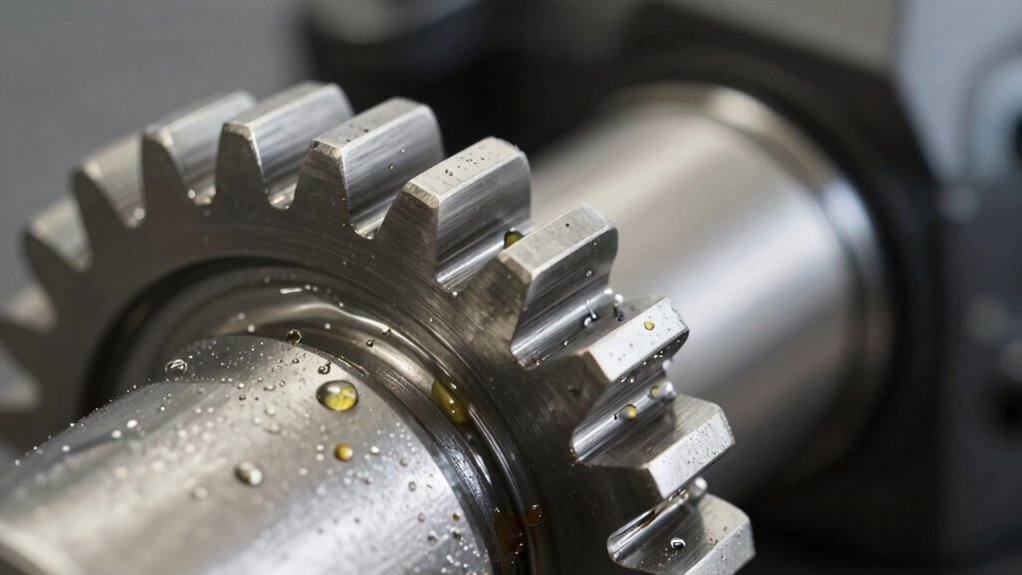
Noisiness in spur gears stems from their simple tooth engagement, but proper maintenance and precision can ensure long-lasting, quiet operation—discover how inside.
Browsing Category
Gear Oil Fundamentals
32 posts
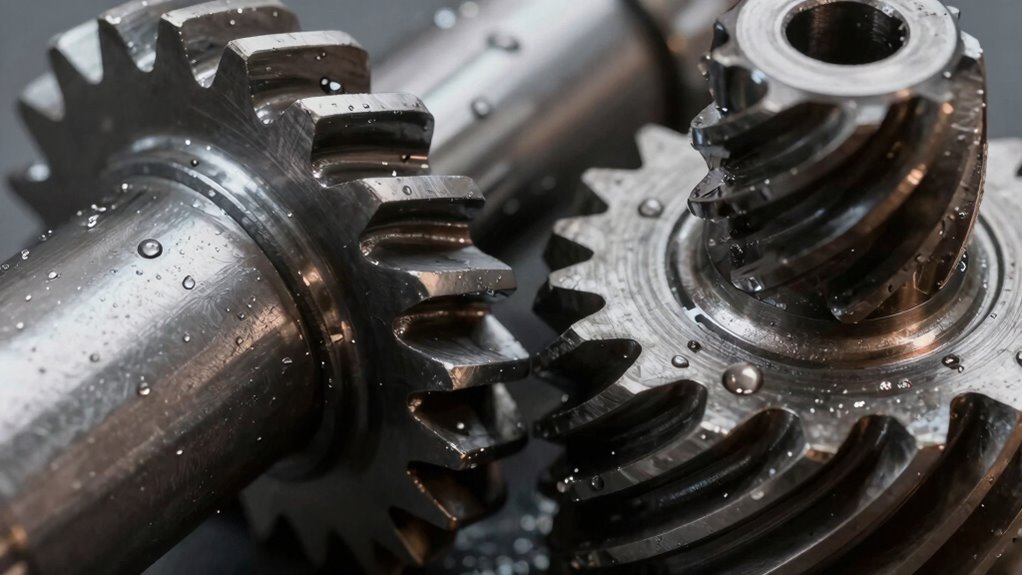
Helical Gears vs Hypoid Gears: Lubrication Differences Explained
When comparing lubrication needs, helical gears typically use standard gear oils with…
Gear Tooth Sliding vs Rolling: Why Some Gears Run Hotter
Forces during gear contact determine heat generation, but the real reason some gears run hotter than others is…
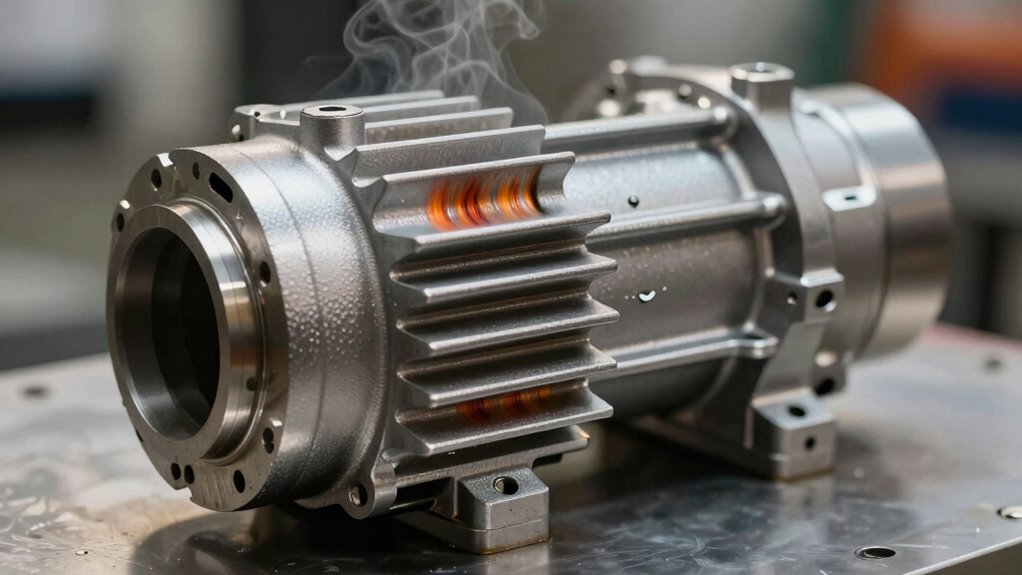
Heat Dissipation Paths: How Gearboxes Actually Lose Heat
Heat dissipation in gearboxes occurs mainly through conduction and convection, but understanding how these pathways operate can optimize cooling efficiency.
Oil Aeration From Overfill: The Mechanism Explained
An in-depth look at how overfilling your engine oil causes aeration, impacting performance and durability—discover why proper oil levels matter.
The Truth About “Whine After Fluid Change”
Correcting fluid-related whine issues may seem simple, but understanding the underlying cause is key to preventing future problems.
Why Gear Oil Smells “Burnt” (And What It Actually Means)
Ongoing overheating or lubrication failure in your gear system can cause a burnt smell, but understanding what it truly signifies is crucial for prevention.
EHL Contacts: Why Gears Need Different Protection Than Engines
Theater of gear contact stresses demands specialized EHL protection, unlike engines, because understanding these unique conditions is essential for ensuring gear longevity.
Mixed Lubrication: The “In Between” State That Causes Wear
Wonders and risks of mixed lubrication reveal how fragile surface protection can be; understanding this balance is key to preventing wear and damage.
Boundary Lubrication Explained: When Metal Touches Metal
Just when metal surfaces seem to touch, boundary lubrication reveals how tiny molecular layers prevent damage—discover the secrets behind this vital process.